
We were a handful of people in the lecture. Our expedition leader Allan had gathered us in the main lounge of Ocean Adventurer, our hundred feet cruise ship to Antarctica. It was an instructional meeting for our voyage to the seventh continent. “Who of you have ever seen a whale in the wild?” asked Allan. Allan was a well-adventured man who walked across the Arctic Ocean in winter alone on his cv. He wished to involve the audience in conversation but none of them raised a hand to answer him. Guessing the futility of his question to this audience, Allan changed his weight to the other leg and asked a different question. “Okay, let me ask you a personal thing,” Allan hummed, “who of you was advised to see a psychiatrist when you announced your plans for this voyage to your friends?” A smile spread on all the faces. Everyone’s hands were up in the air.
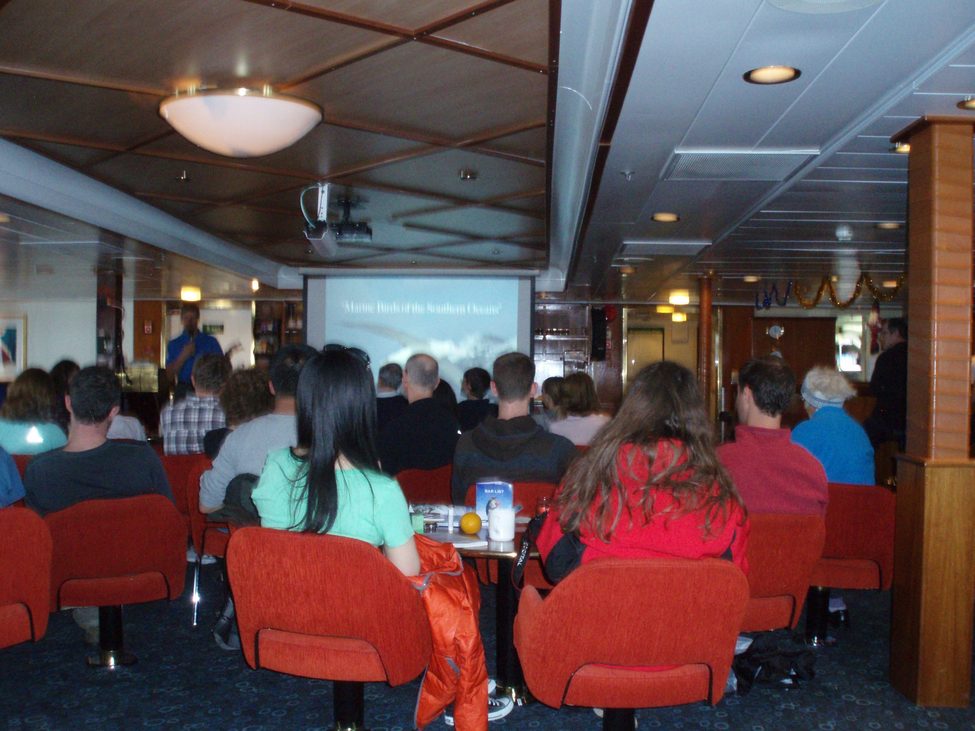
Allan’s lecture room
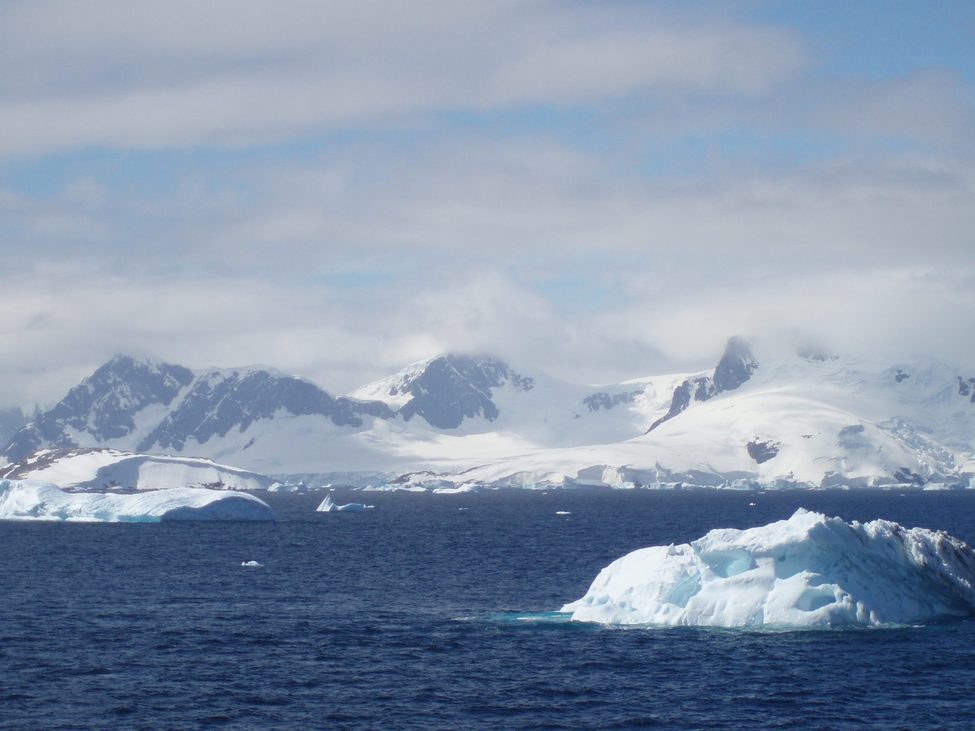
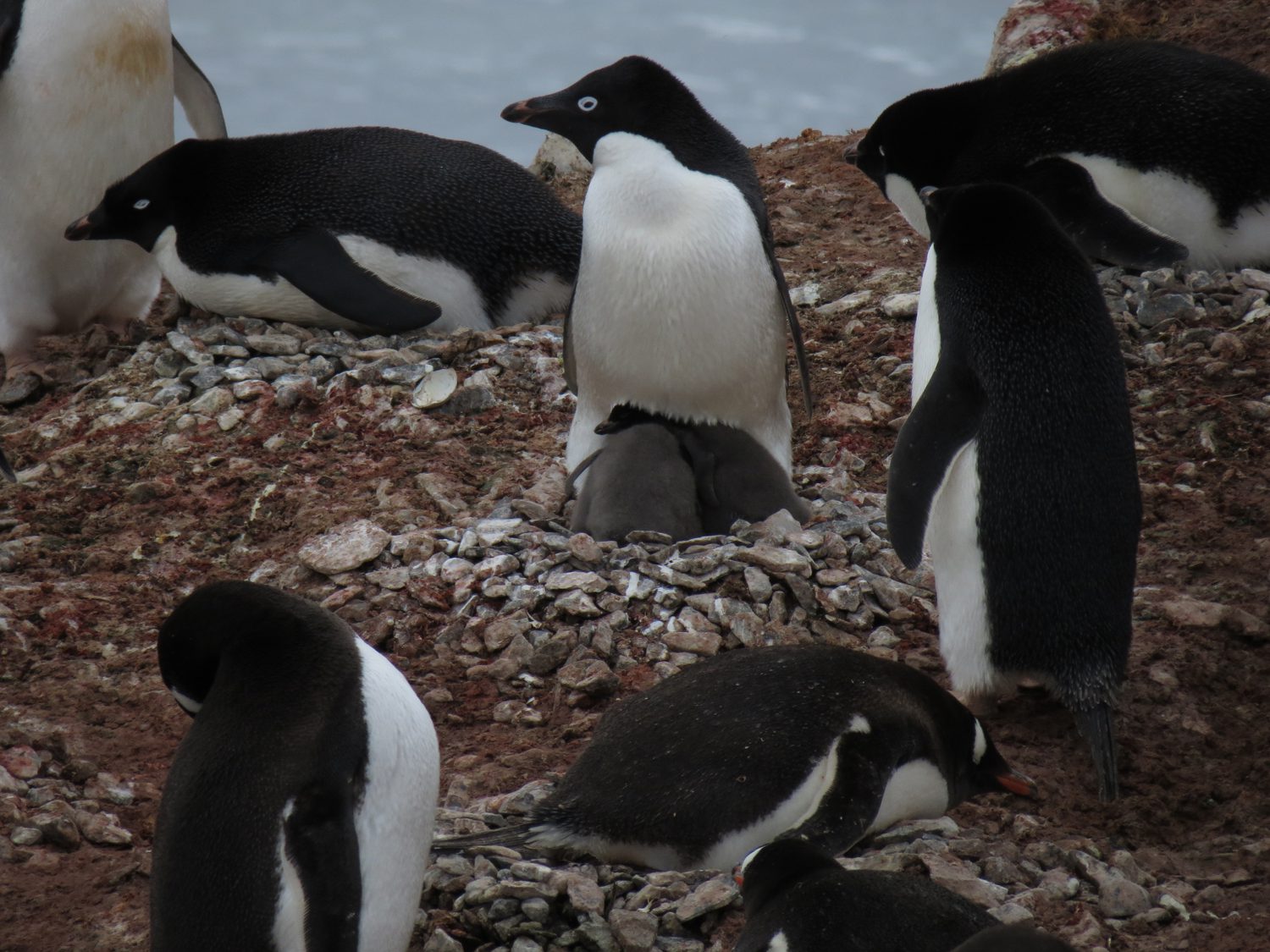
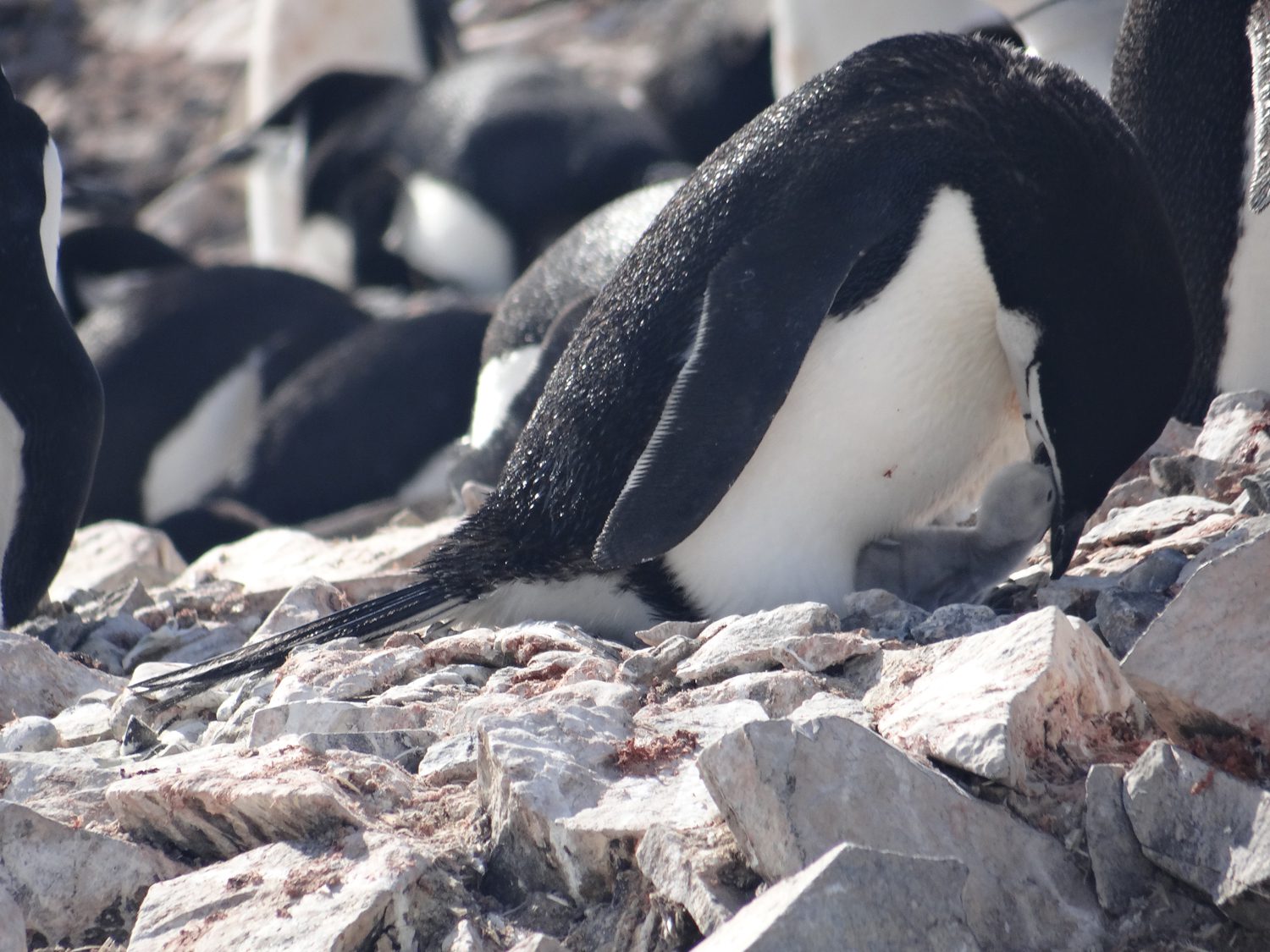
Our joys knew no bounds when we saw the Arctic land first time after two days of cruising in the open sea. Few humans have earned the privilege of setting foot on this uninhabited continent. The moon-like landscape lacks any dirt or sand. Only rocks, covered with snow and dotted with abundant wildlife welcomed us. My earth would have been such a beauty when God created it, I imagined.
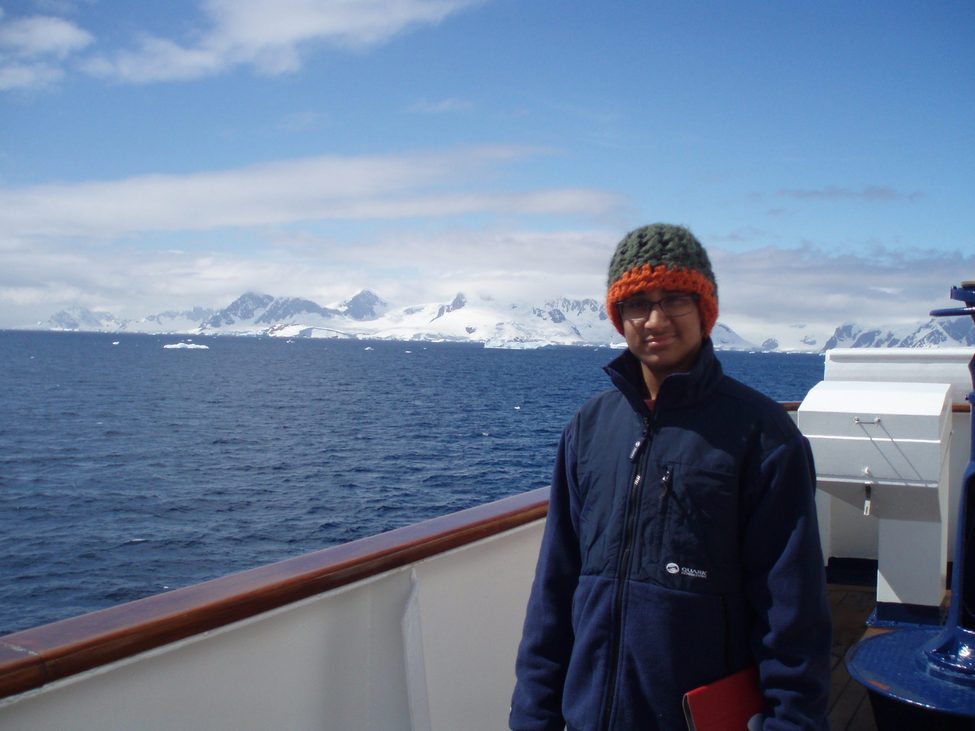
First sight of Antarctica
The shacks erected on the Antarctic Peninsula by some powerful countries in the name of a permanent scientific base appear to serve as a symbol of their political presence on the continent. Some of them, in any case, have made groundbreaking discoveries. It was the British base which discovered the break in the ozone layer over Antarctica, we were told proudly by the scientists living there.
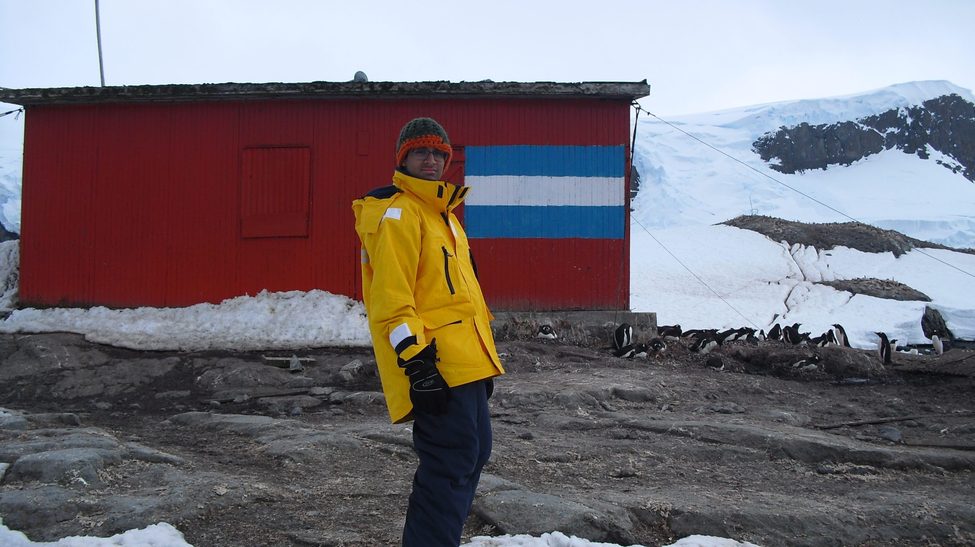
Argentinean scientific base
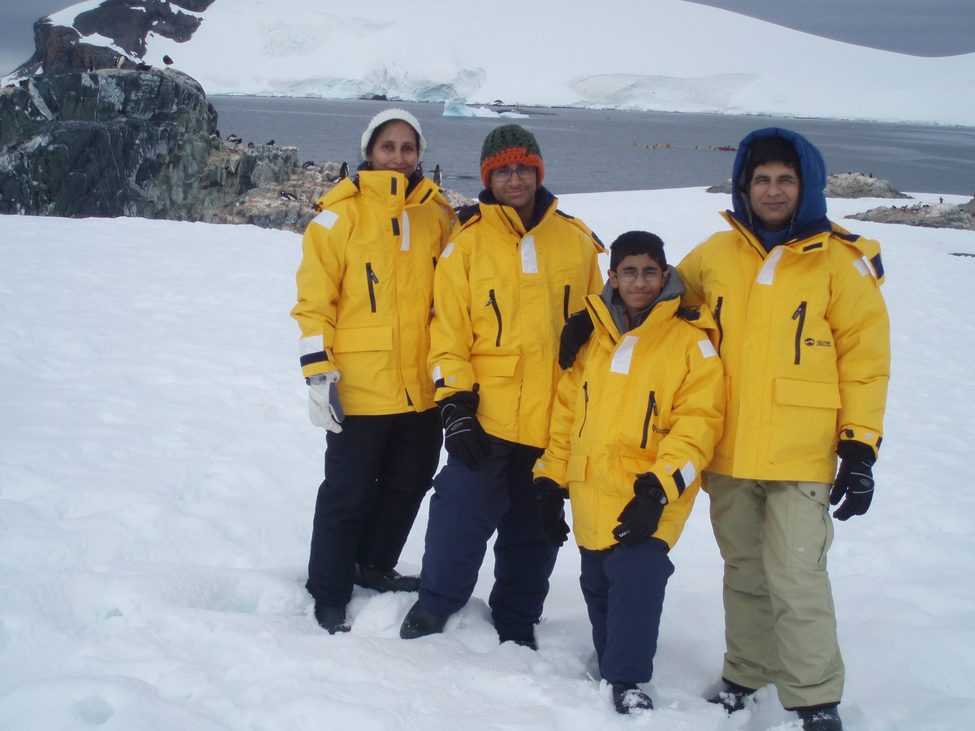
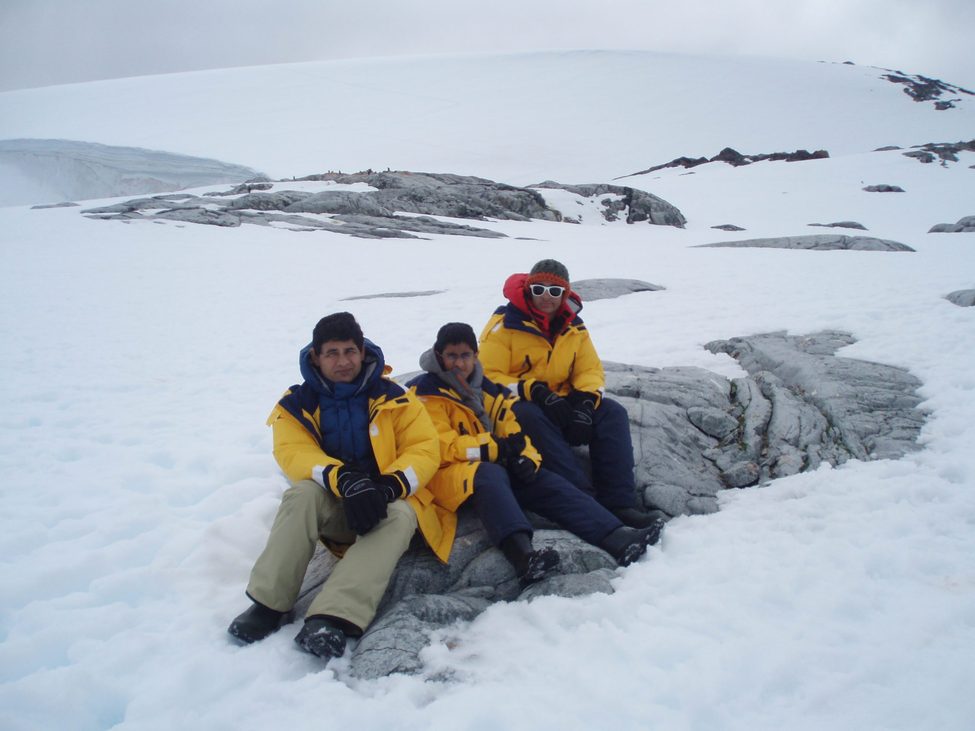
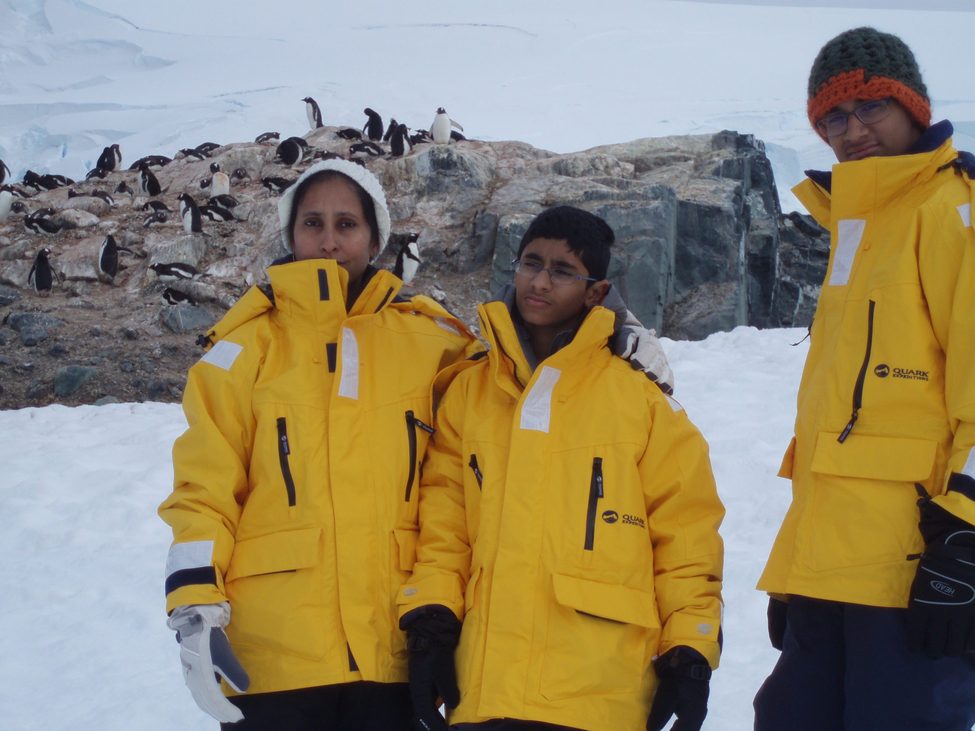
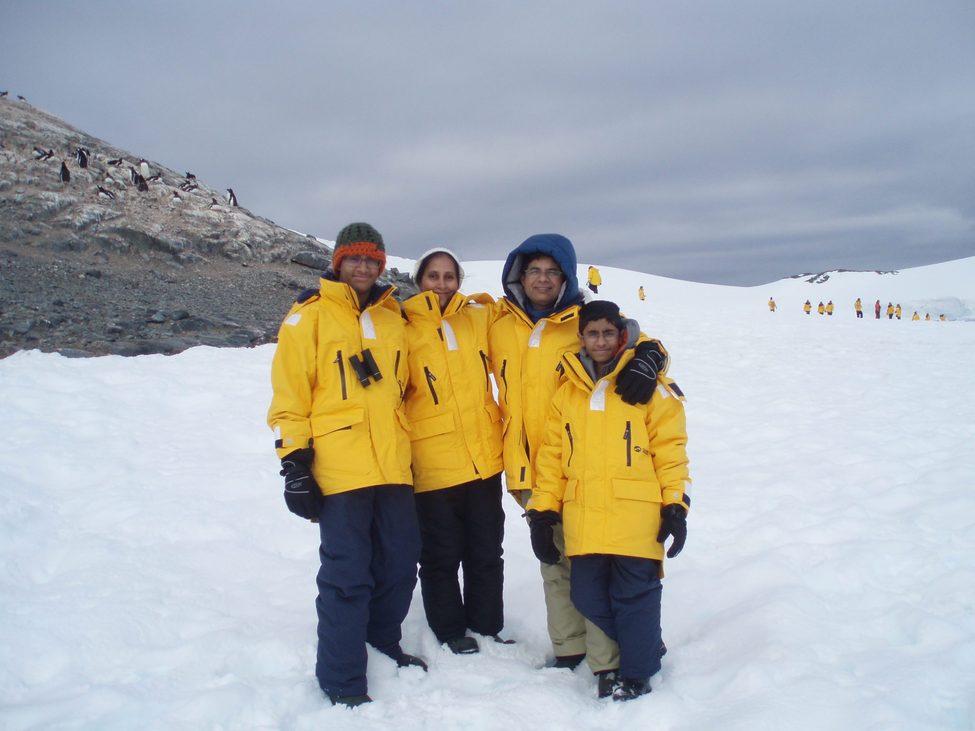
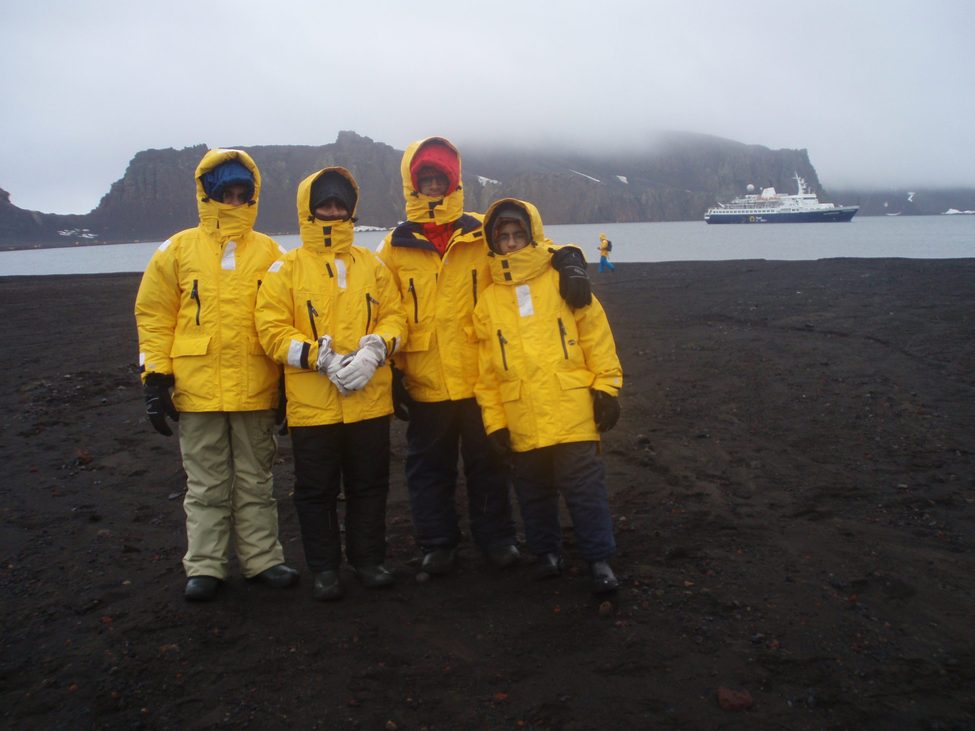
There is no port in Antarctica. The ship has to stay in deep water. Air inflated dingy boats take the tourists to the shore. The Antarctic gear, which each tourist wears to protect against the elements, is showy. We all washed our special shoes under supervision before getting out of the ship to keep the continent clean.
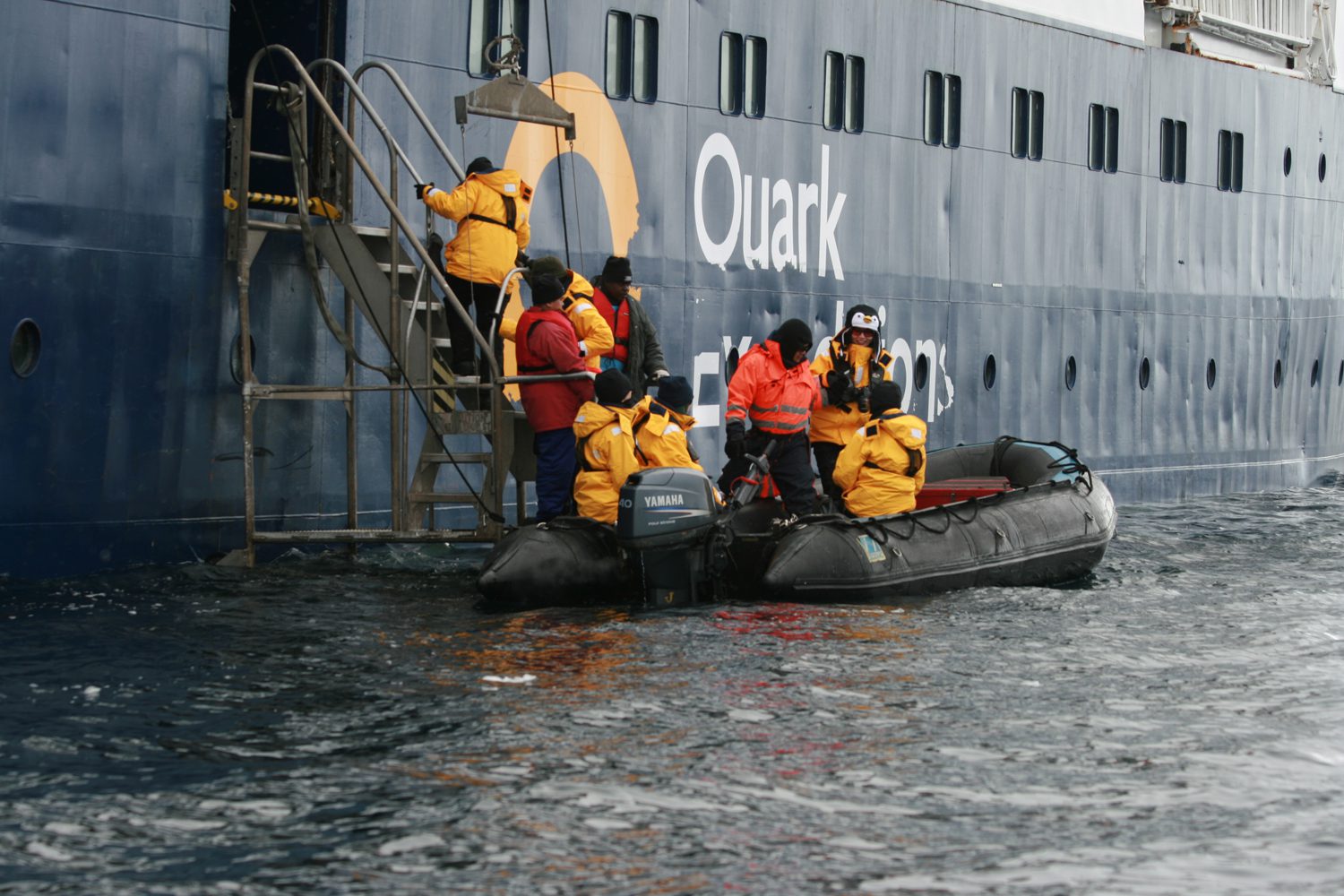
Boarding on the boat
On our way back, halfway into Drake passage, the captain of the ship announced the prediction of a hurricane. The announcement was sober, with a plea to keep calm. The captain requested the passengers not to move around unnecessarily, maximize the use of handrails to prevent falls, keep their anti-emetics handy, better stay in their cubicles, etc. etc. The captain specially requested to avoid the uppermost deck of the ship. I had a deep unfulfilled desire to experience a hurricane. The primary school story of Robinson Crusoe had triggered this foolish desire. I decided to neglect the captain’s instructions and rush to the uppermost deck. To my surprise, all passengers had decided the same. Nobody was in his or her cabin. All passengers stood on top of the ship anxiously waiting for the ‘show.’ And when the hurricane came, it was really a hurricane. The ship jolted on the sea surface like a paper boat. Waves higher than the ship itself threw water inside ship. The drainage system of the ship got chocked. The wind threw off the cameras of the passengers. They had to ‘maximize the use of handrails to prevent falls.’
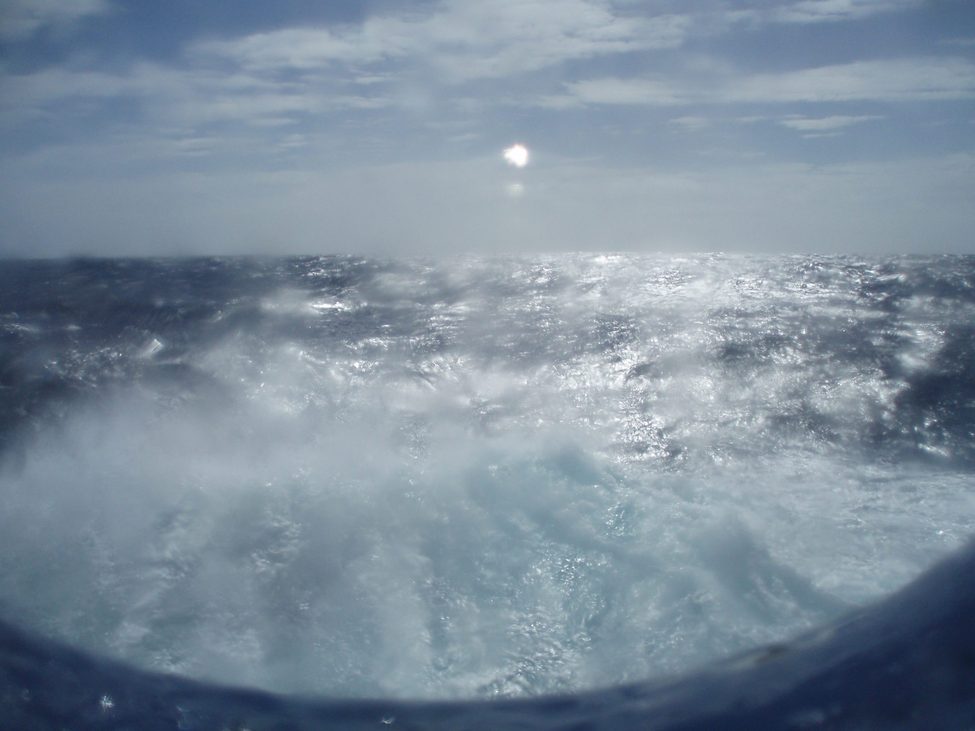
Big hurricane waves batter our porthole
Let me tell you one thing. all photographs are from my cell phone. My Canon digital camera and its 800 mm zoom lens and its flashlight got stolen at Buenos Aires airport.
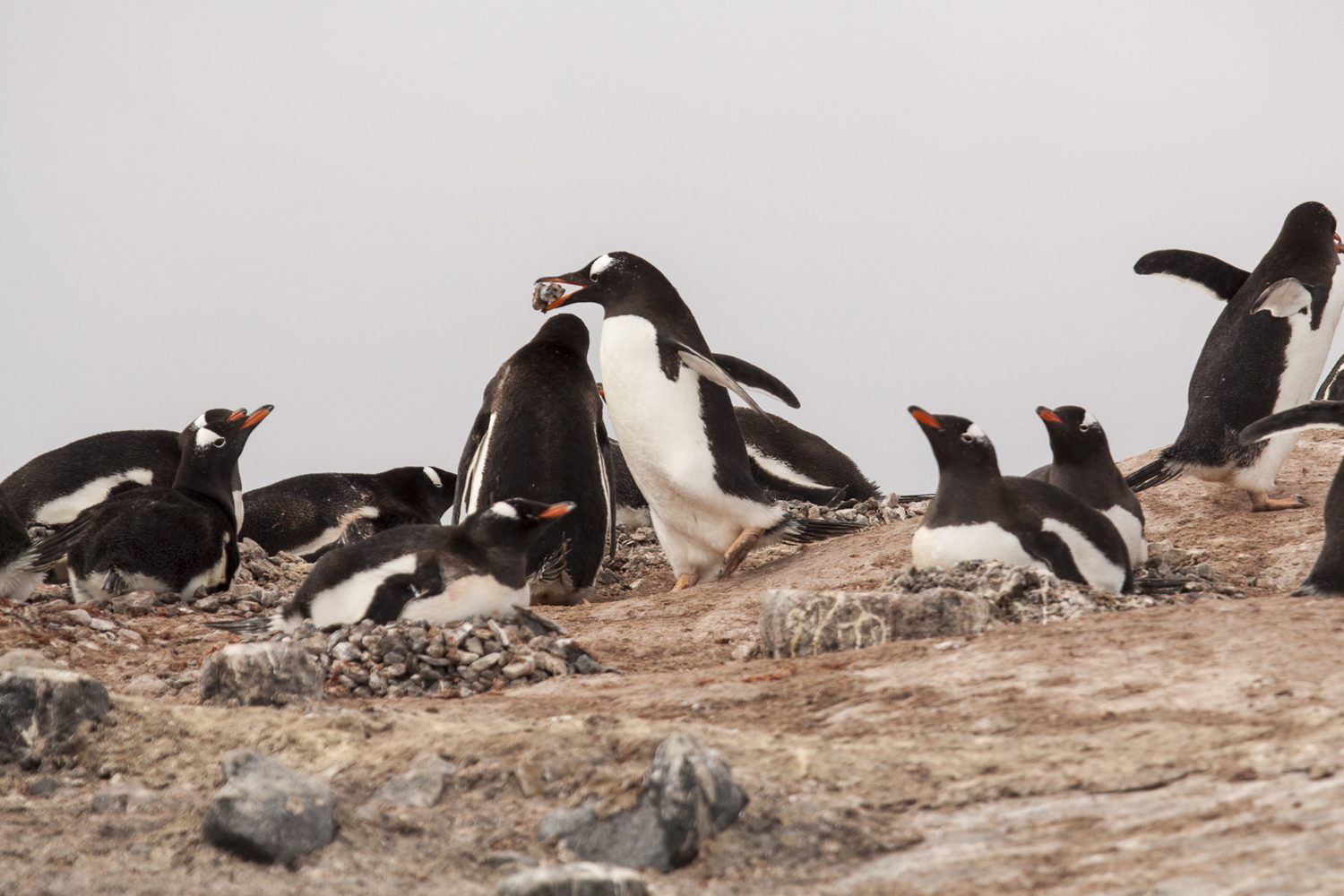
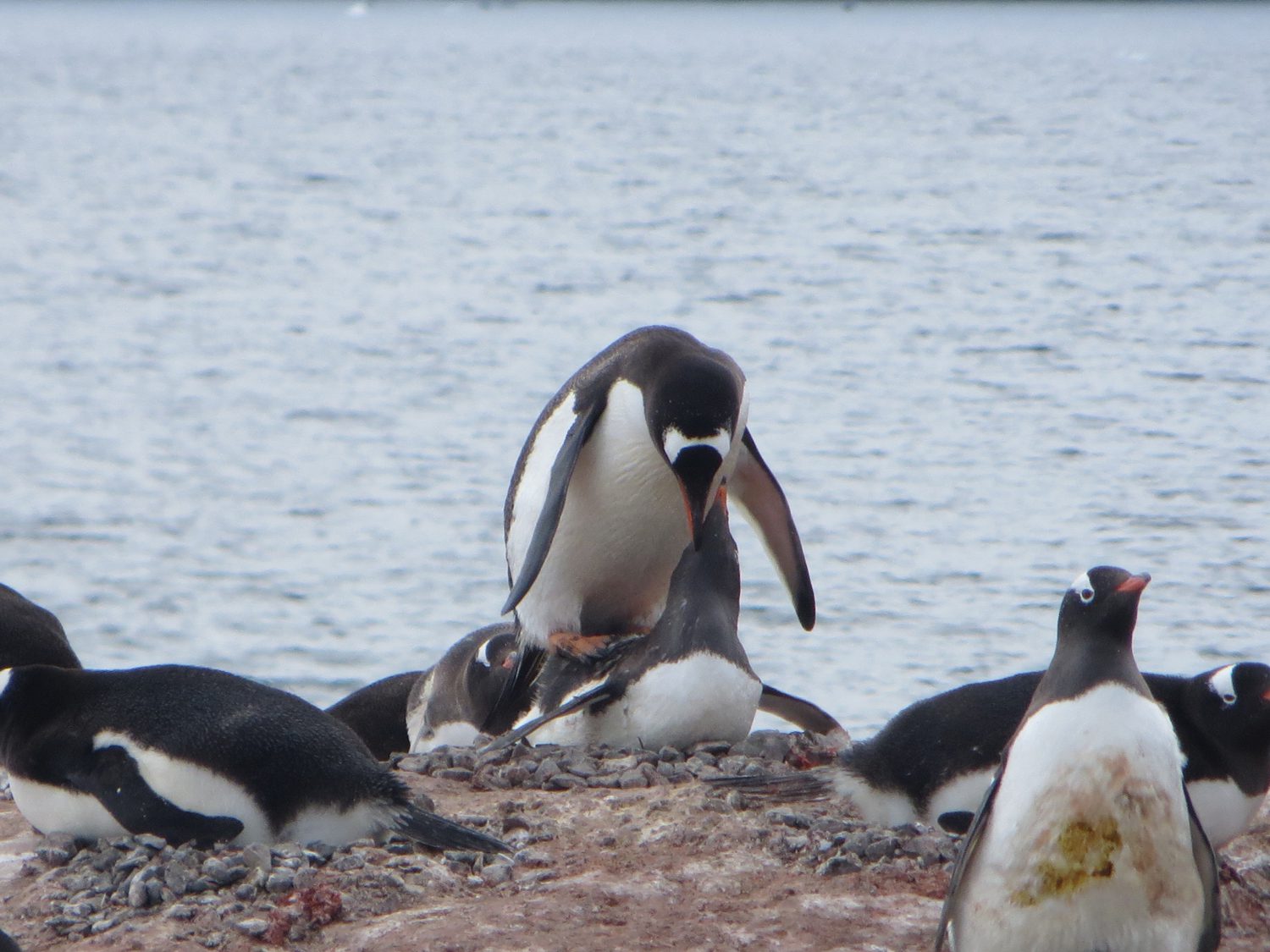
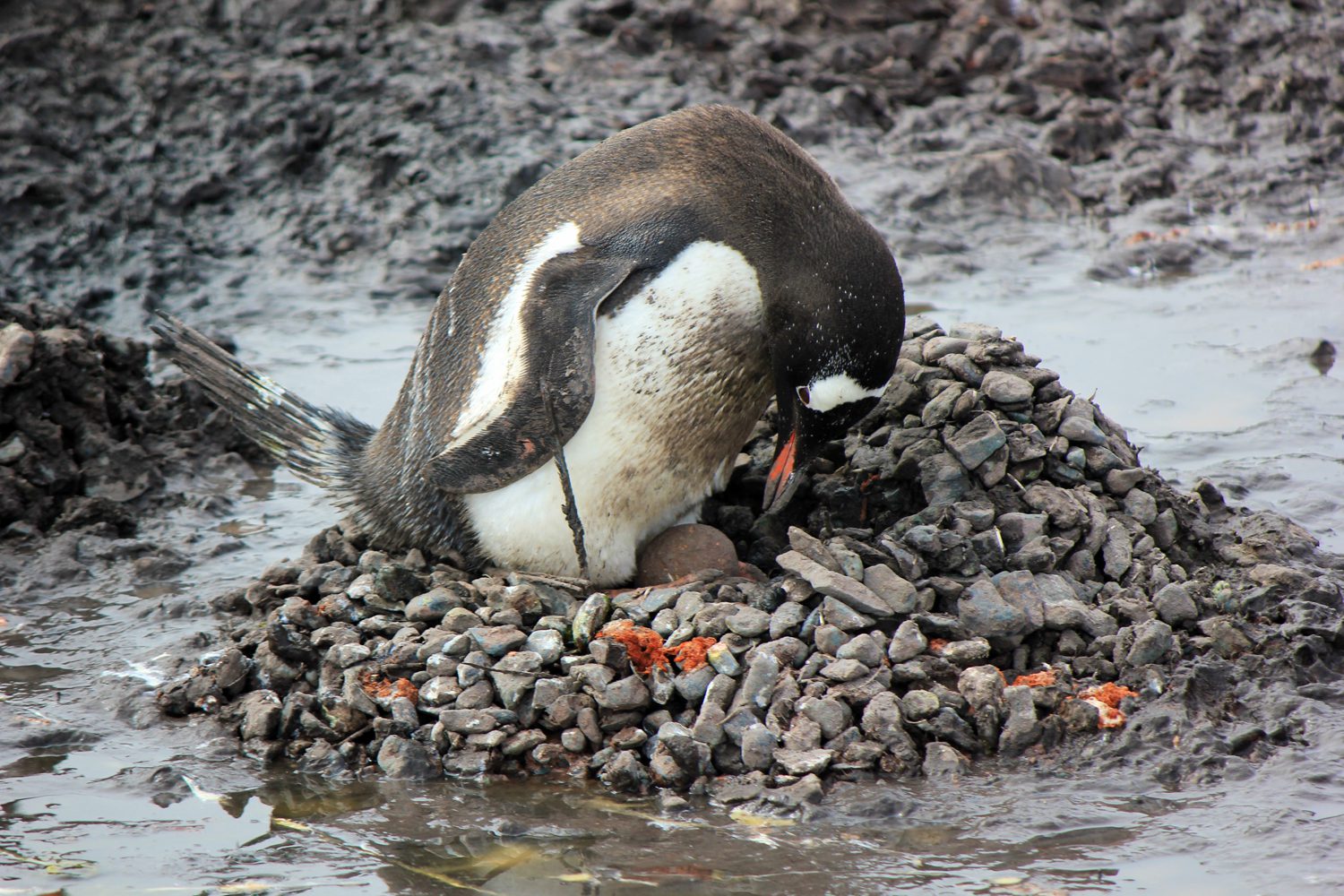
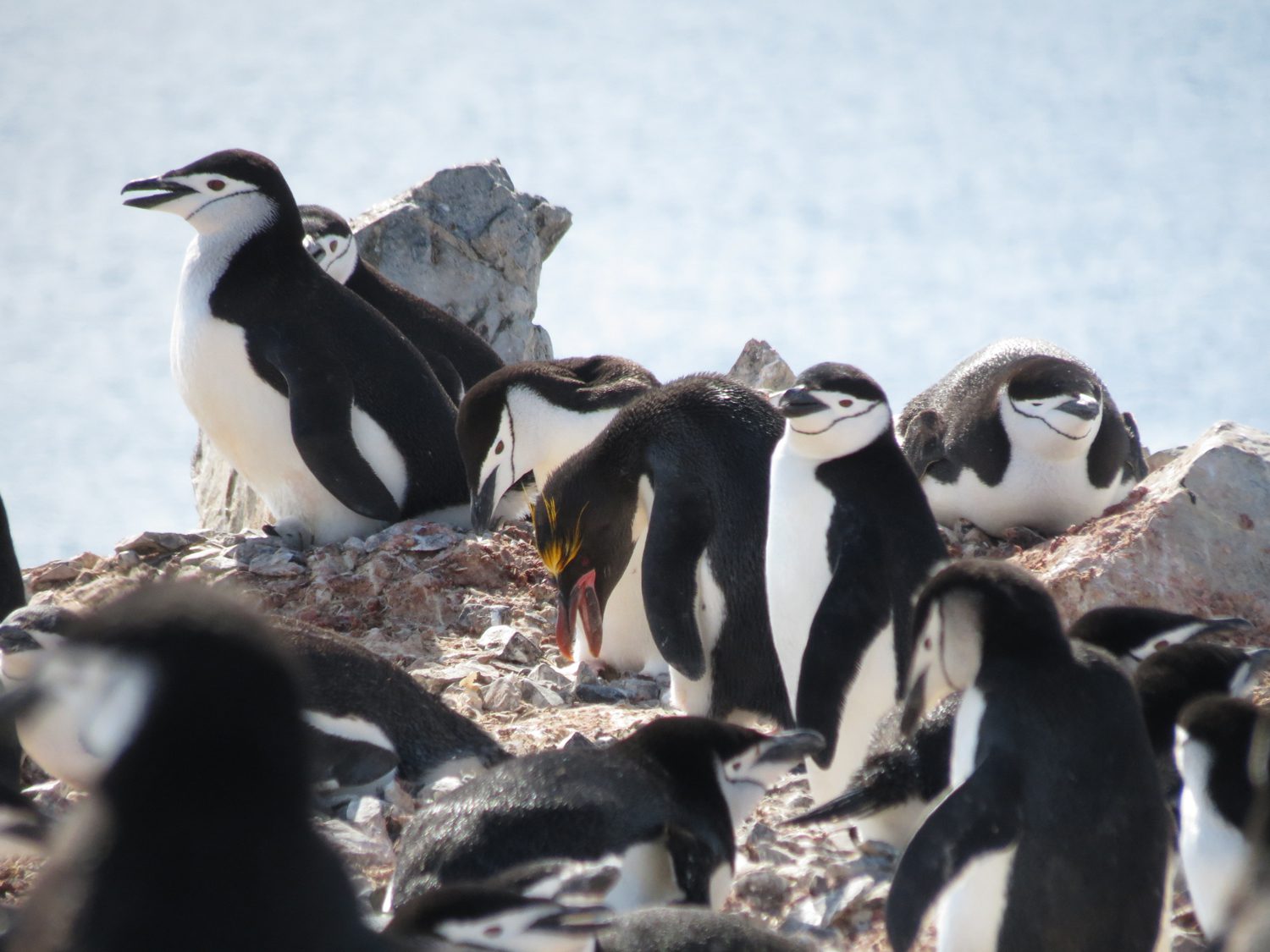
‘Did your presence make any negative impact on the environment?’ asks the end of voyage questionnaire. What can I say! The answer should be ‘yes’! How could the environment not get damaged when a diesel-powered ship cruised into its waters. How environment did not get damaged when a group of humans trespassed on the property of penguins? How could the environment not get damaged when canoe riders came very close to the whale to take selfies with it? Yet, the political answer is ‘no.’ That was the answer of everybody – including me.
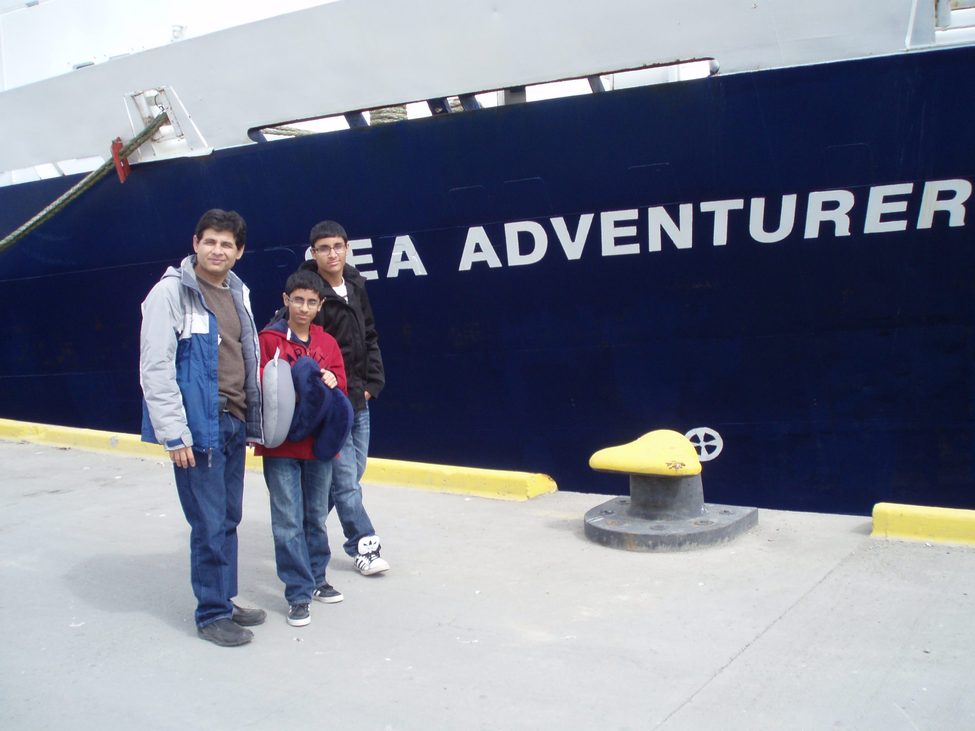
Just departing
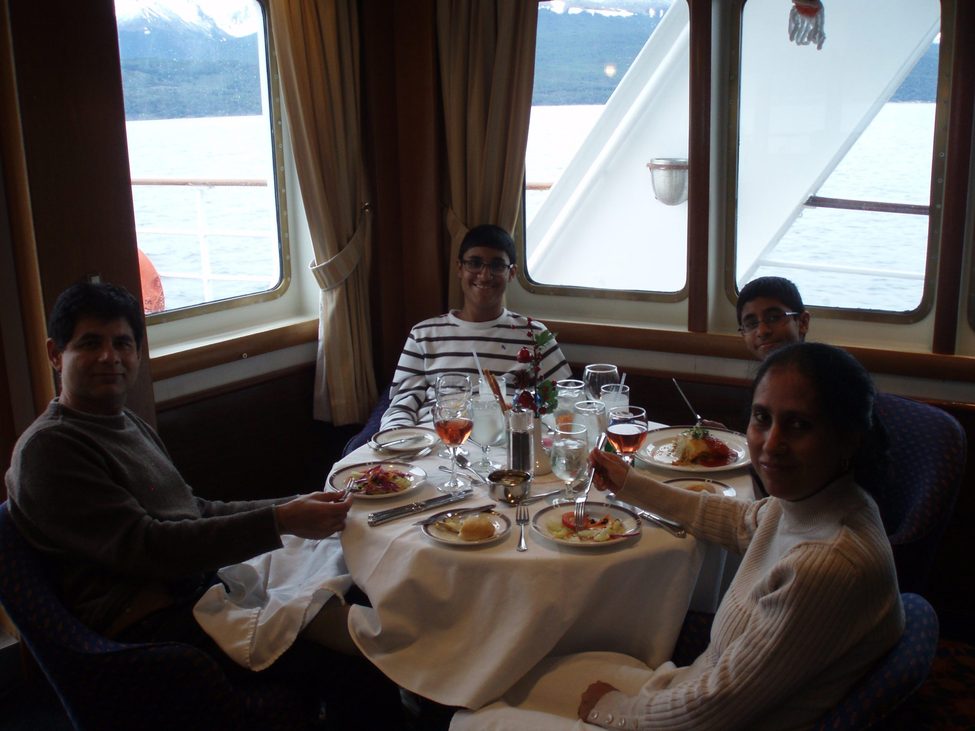
First meal on the cruise
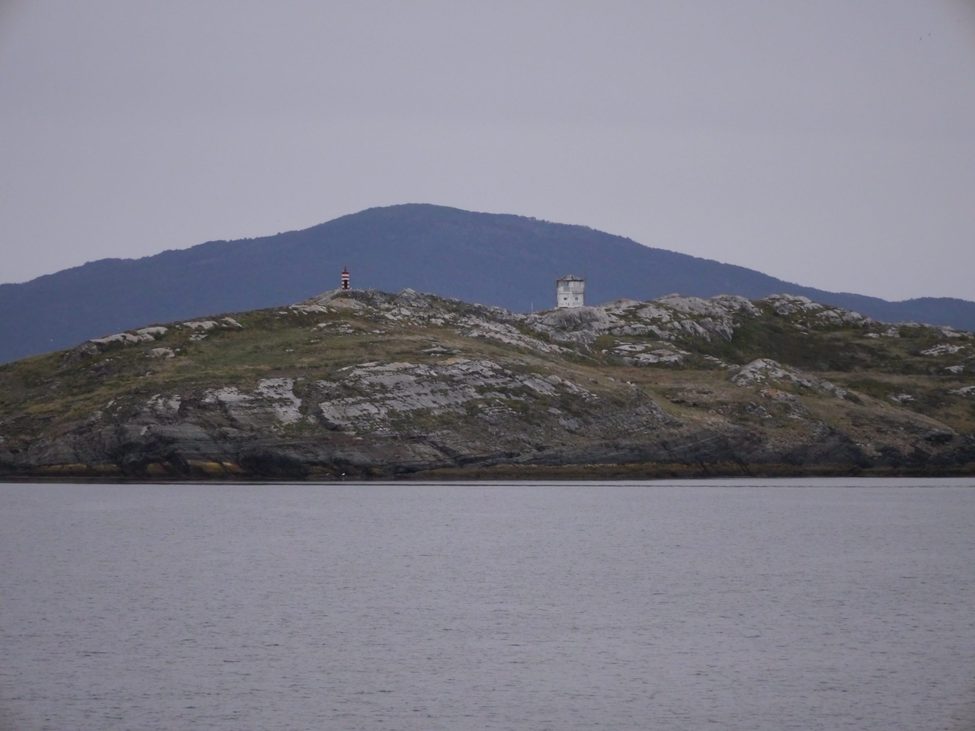
Southernmost lighthouse in world
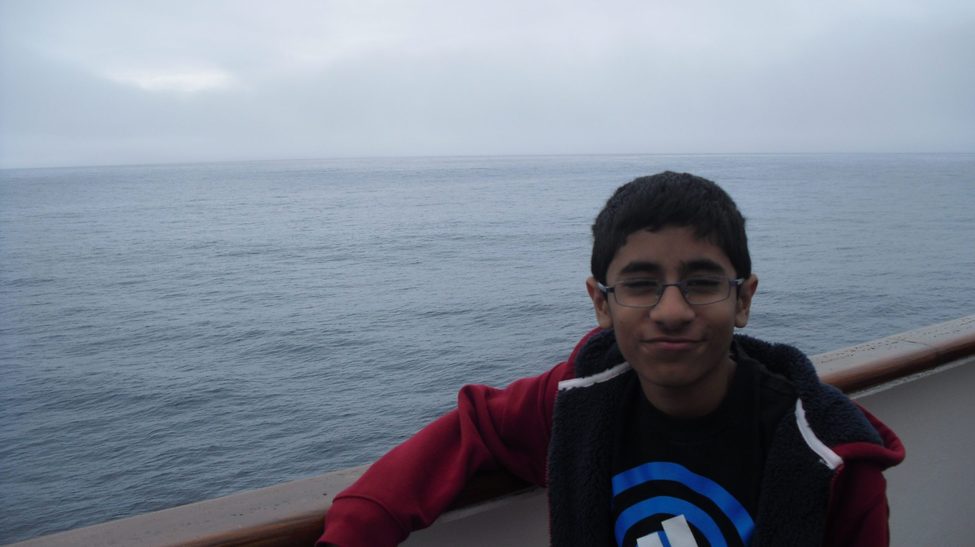
Nobody was happier than Zain on the open sea
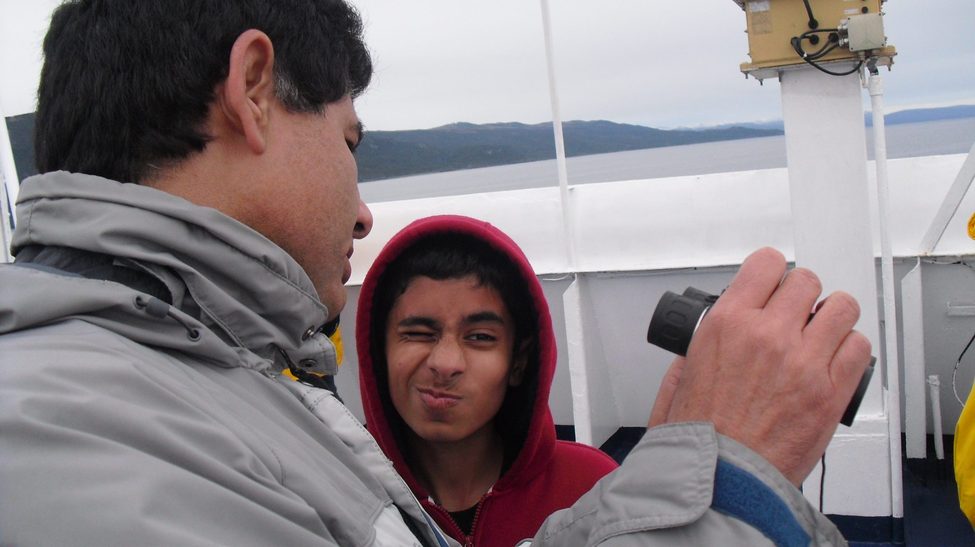
Training Zain
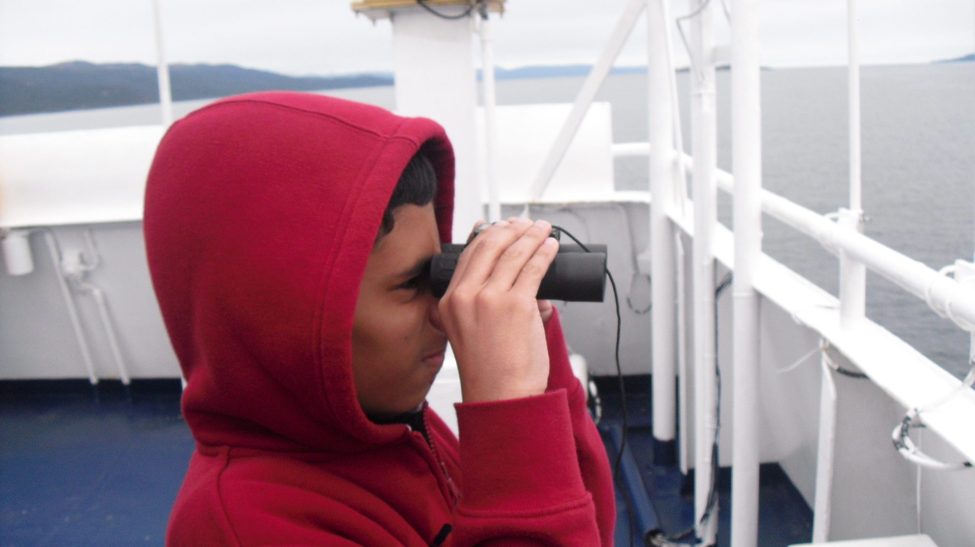
Zain learned quickly
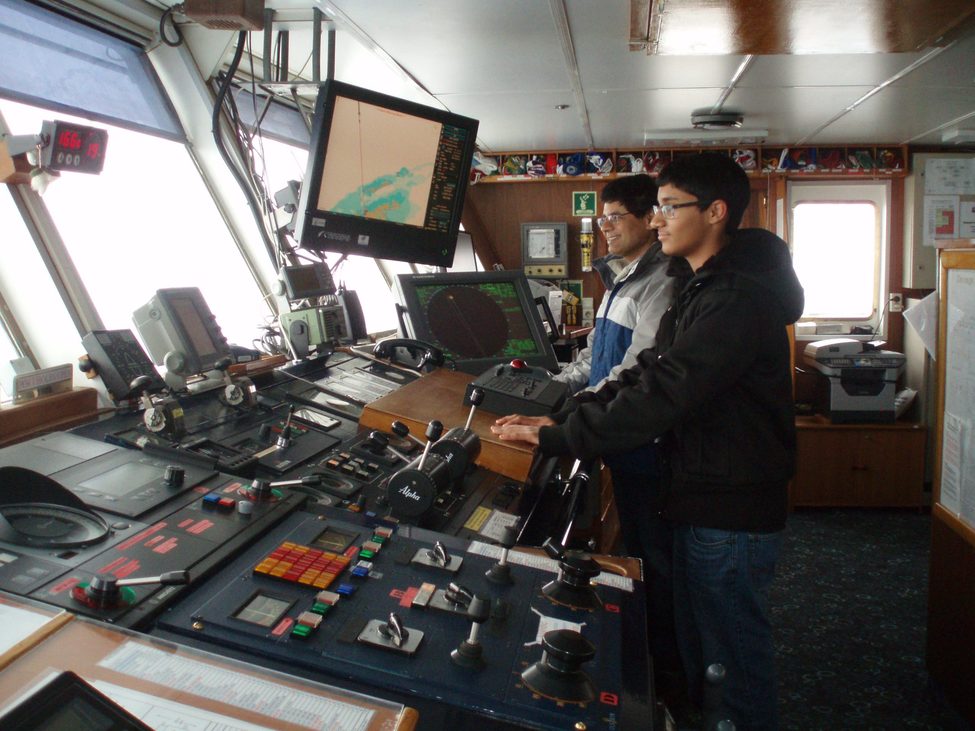
Whole ship is ours
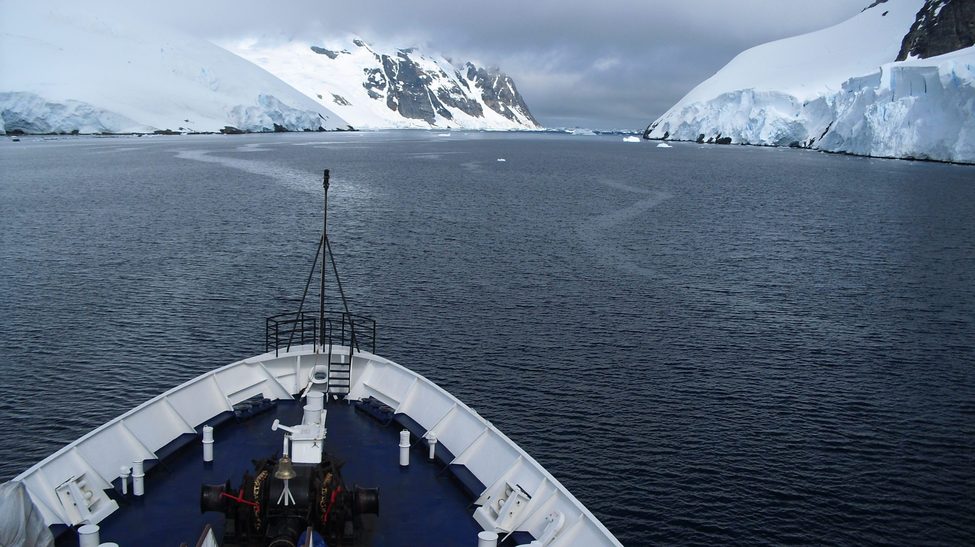
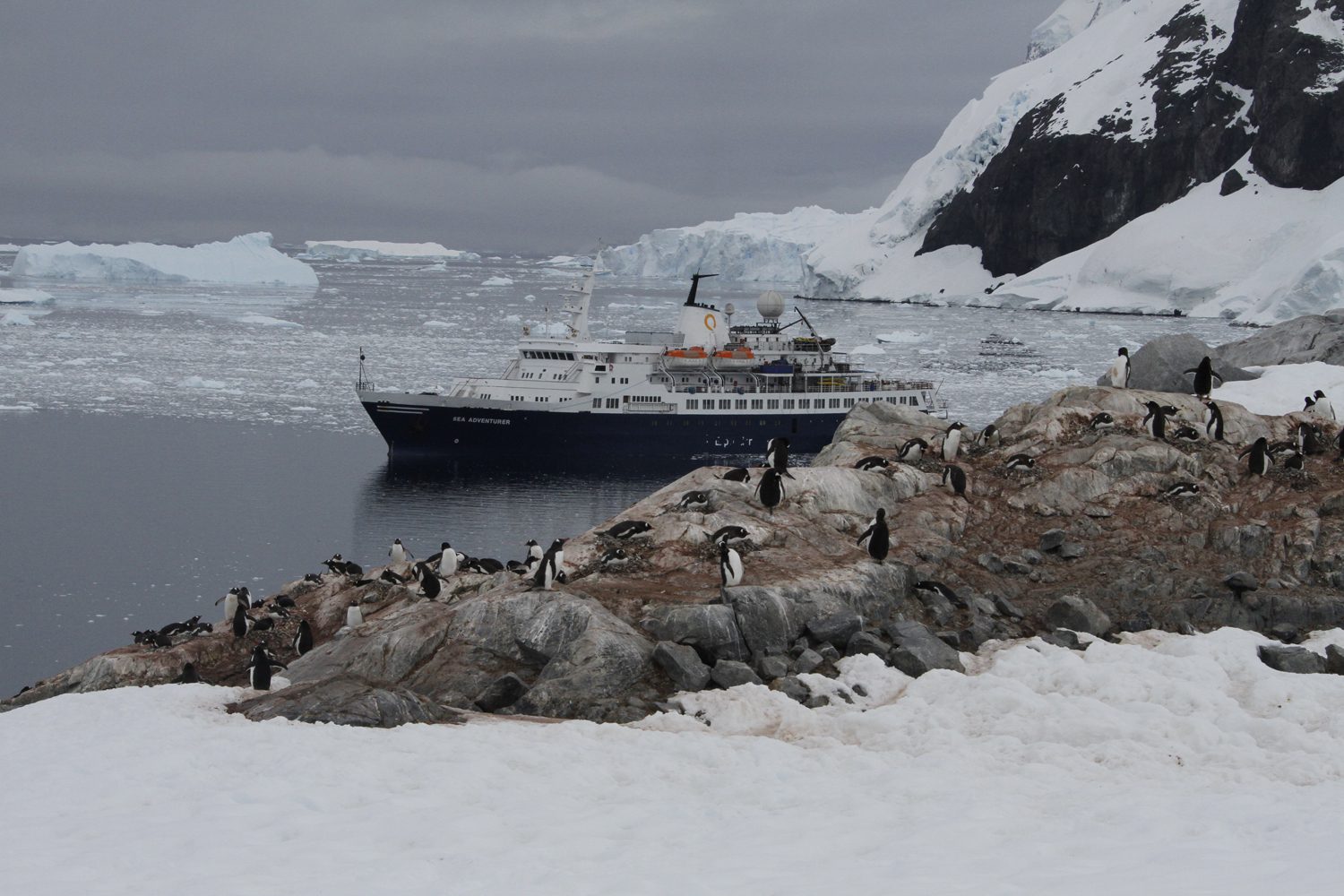
Moonscape of Antarctica
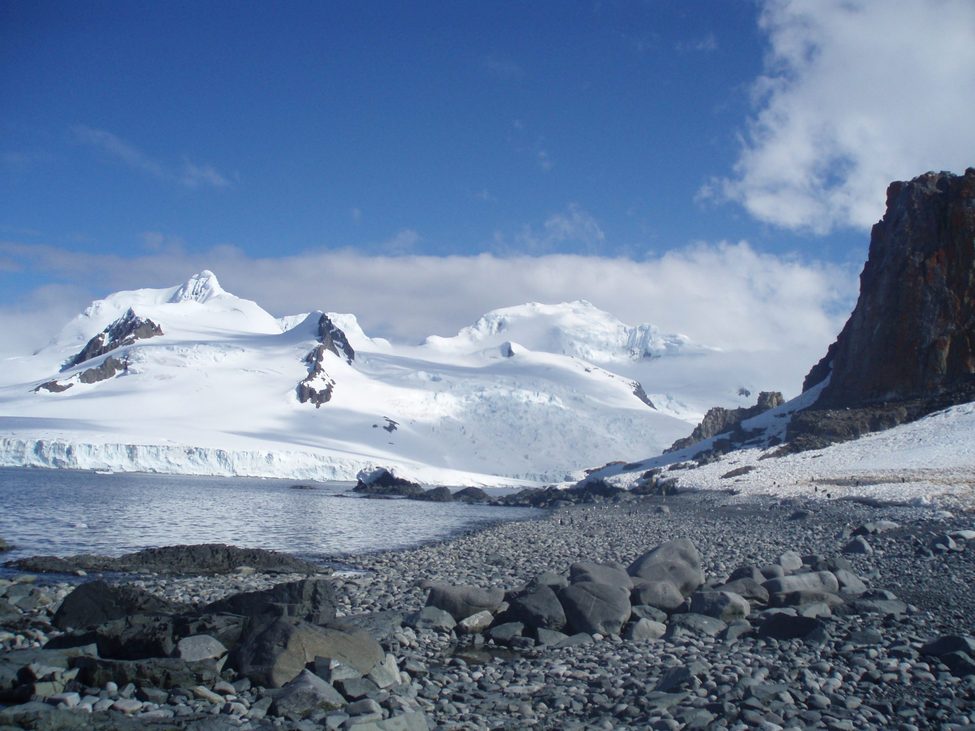
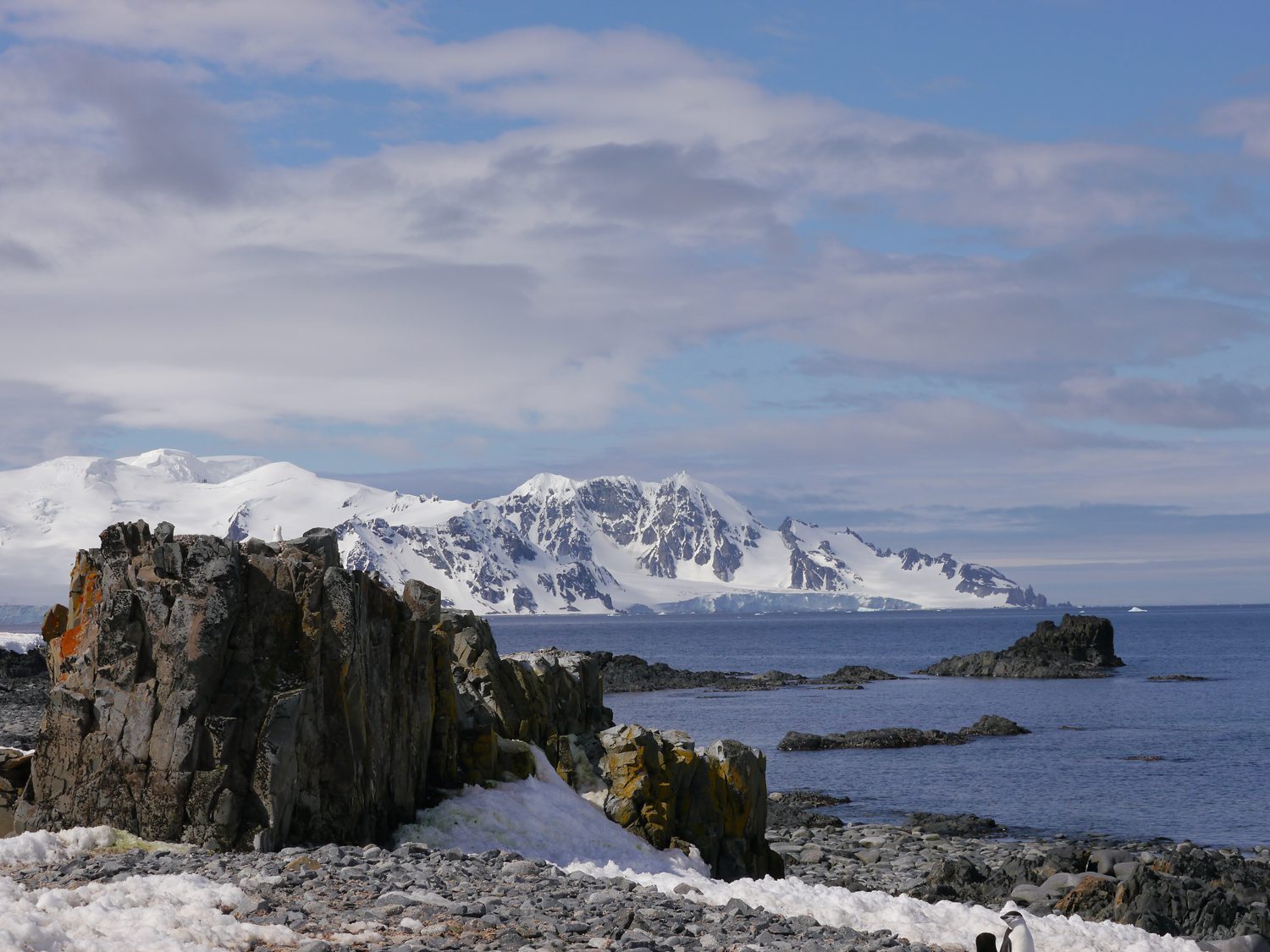
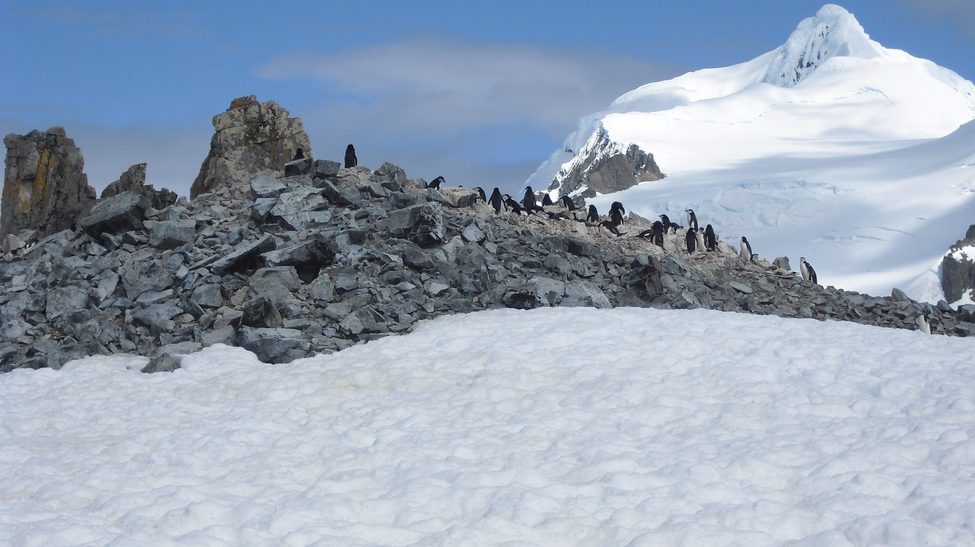
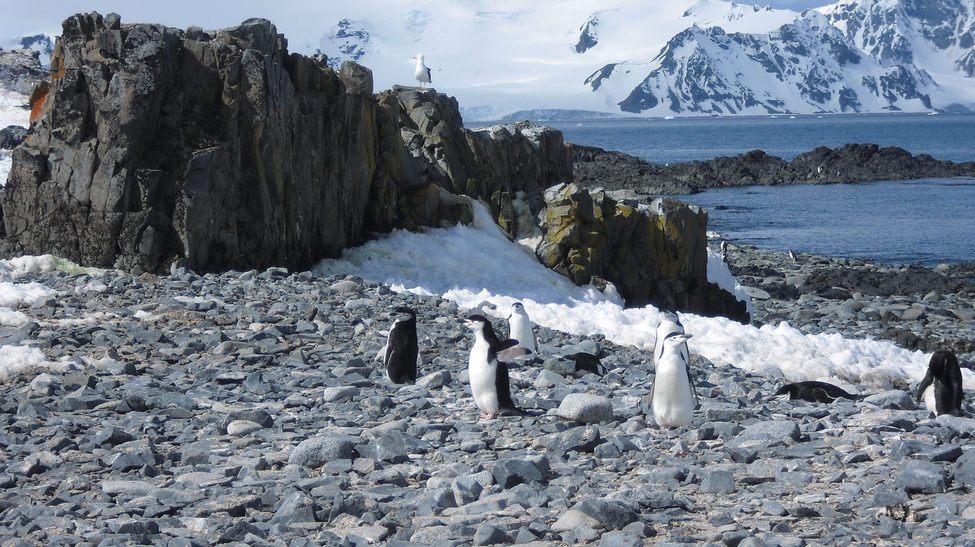
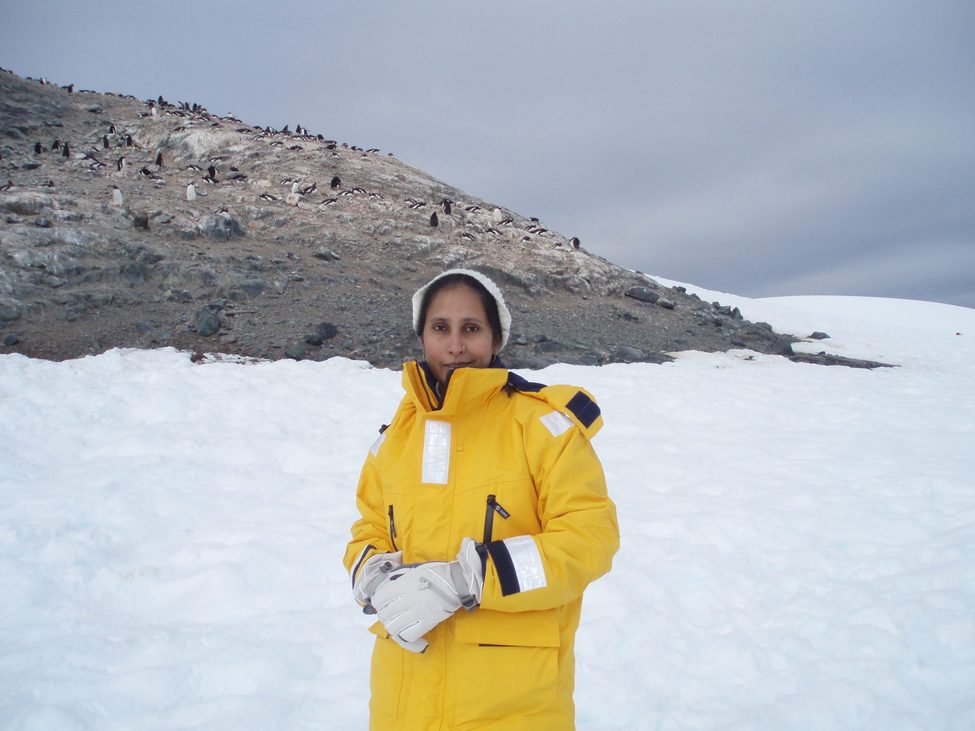
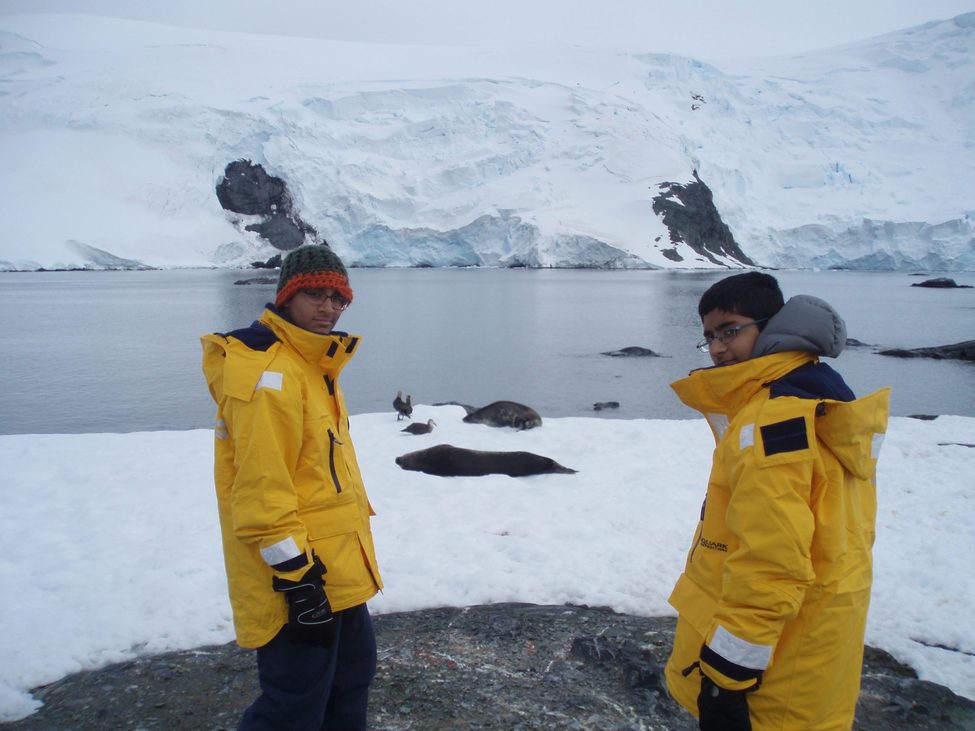
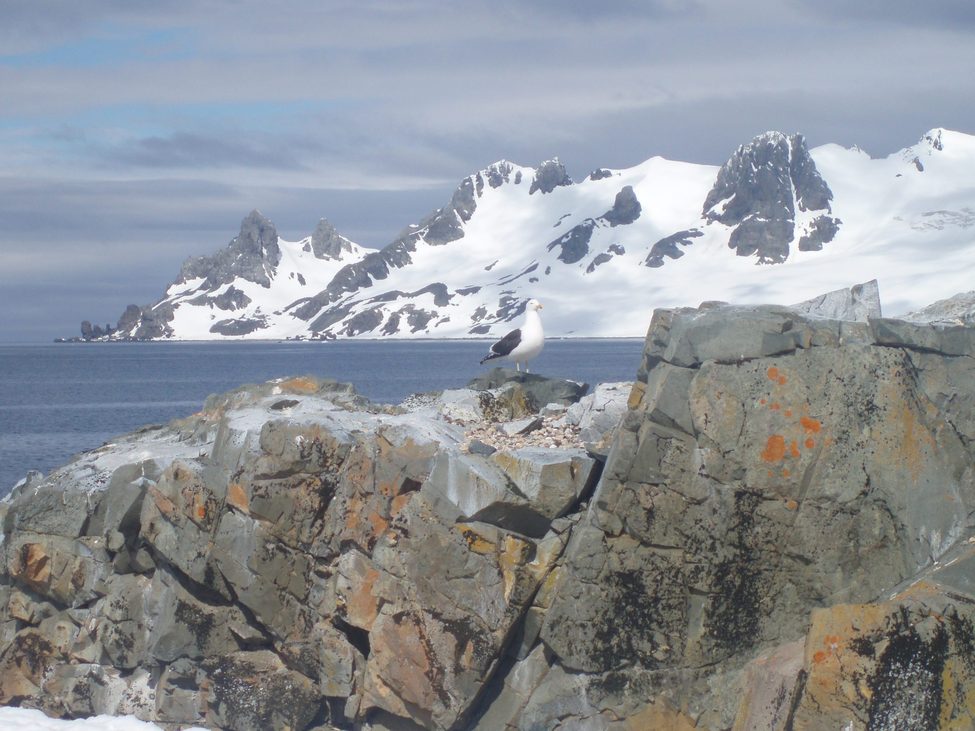
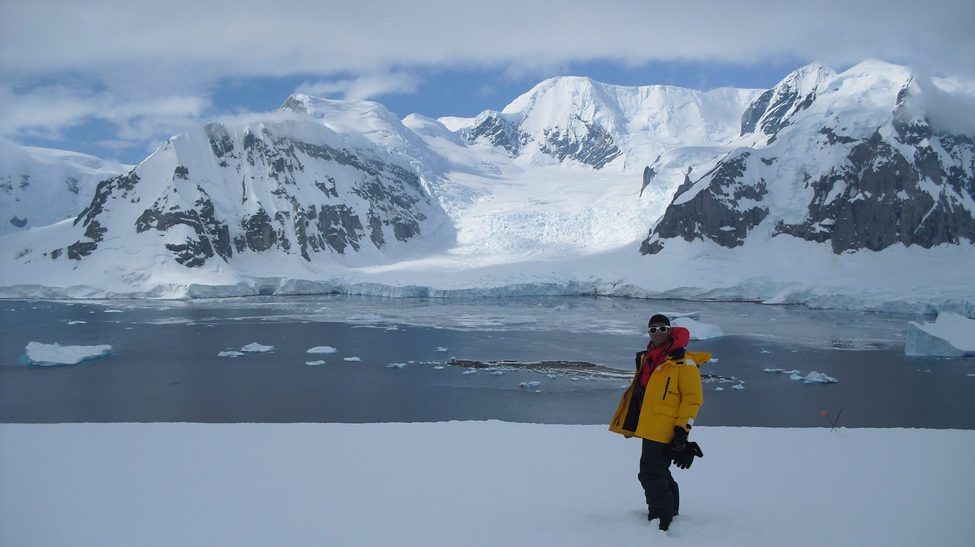
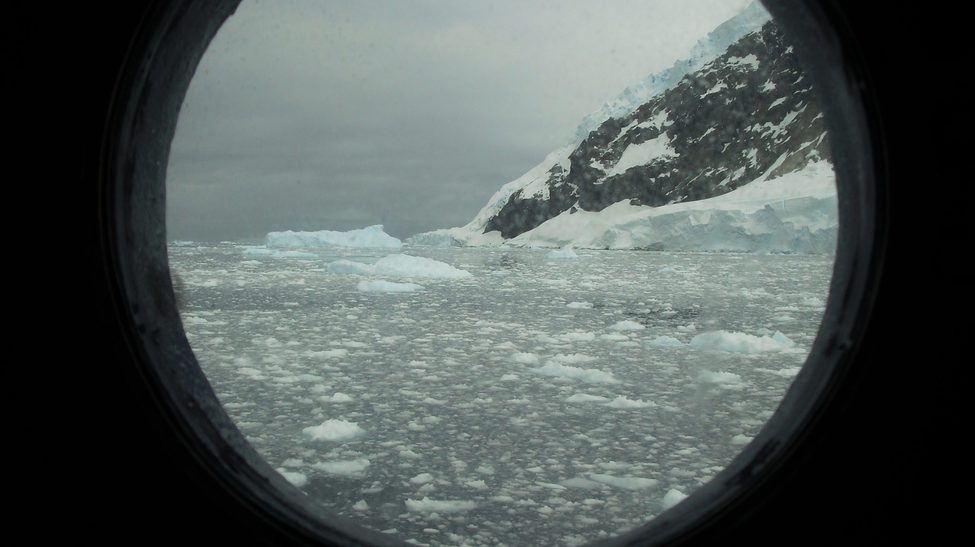
View from our porthole
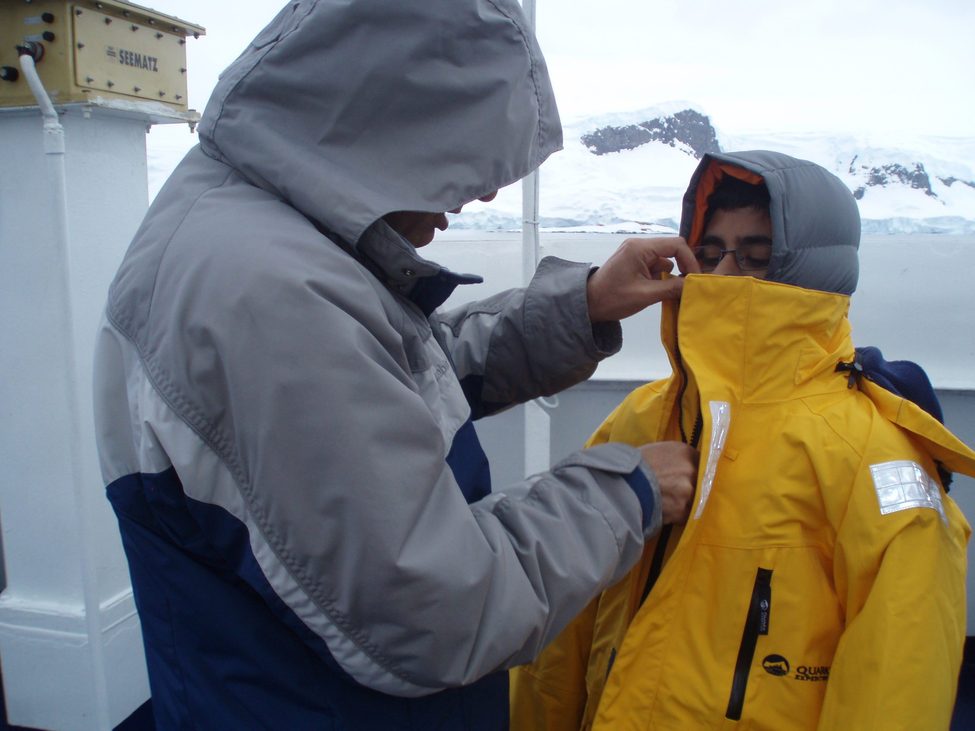
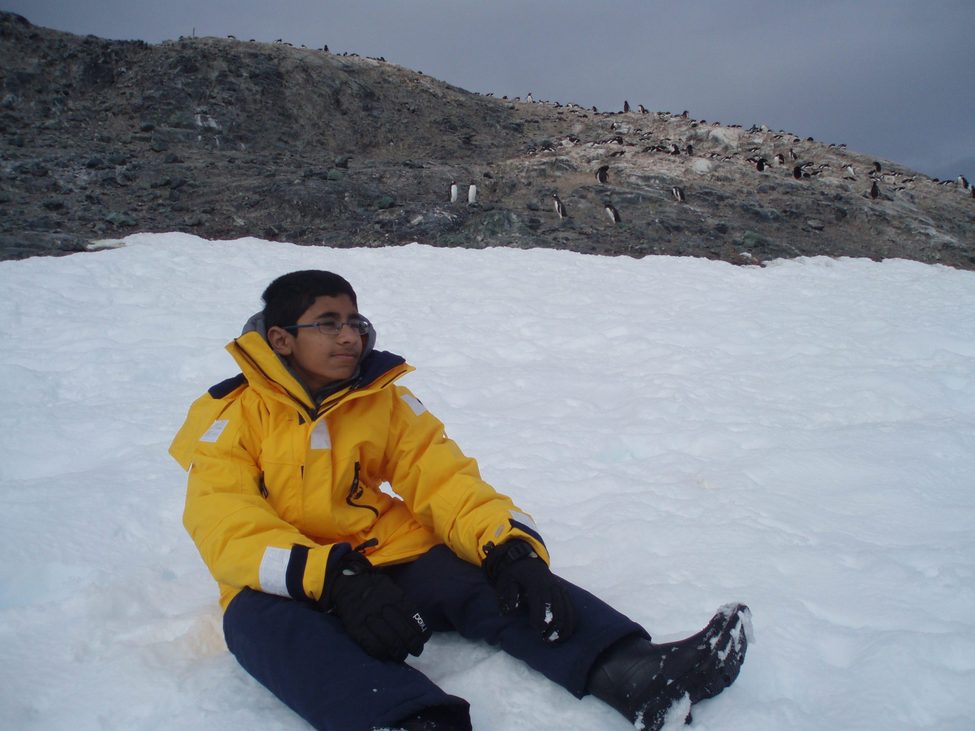
O boy, it is cold
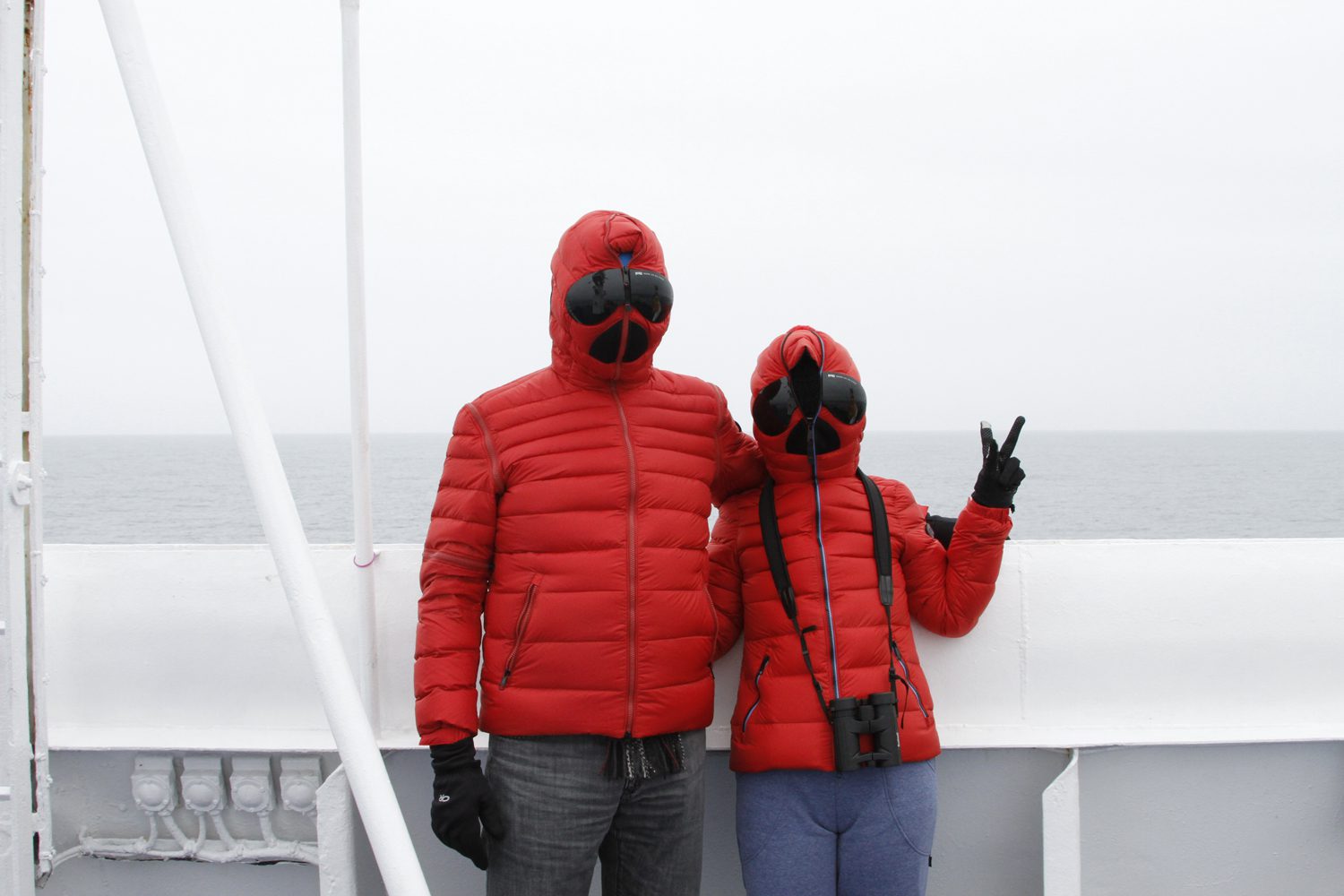
Cold particularly bothered people from tropical countries
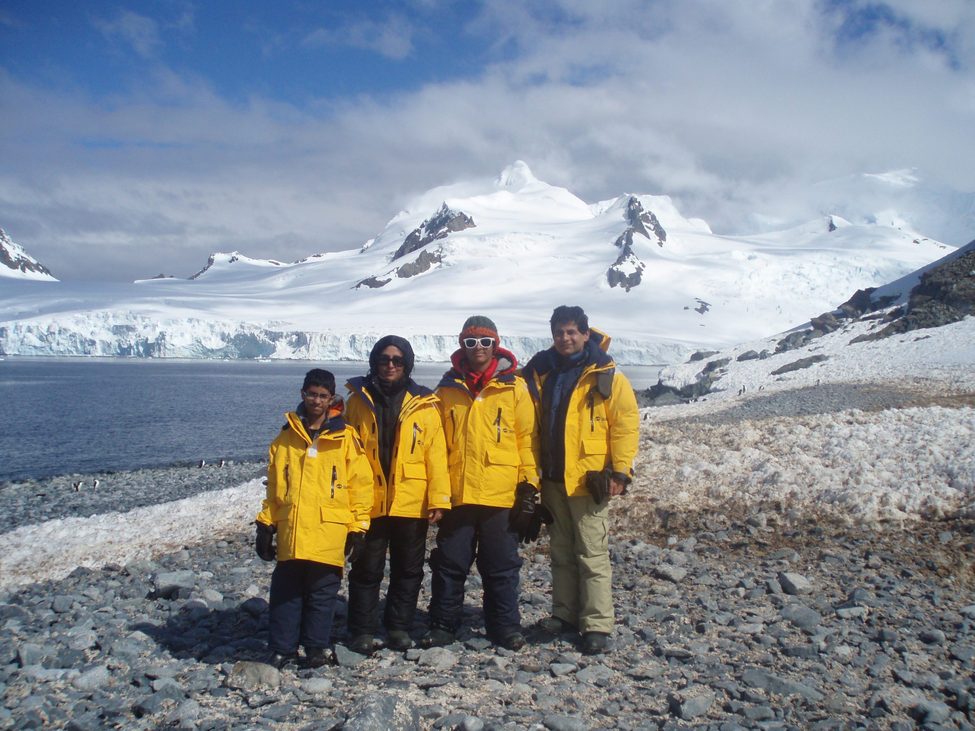
Cozy sun gave some relief
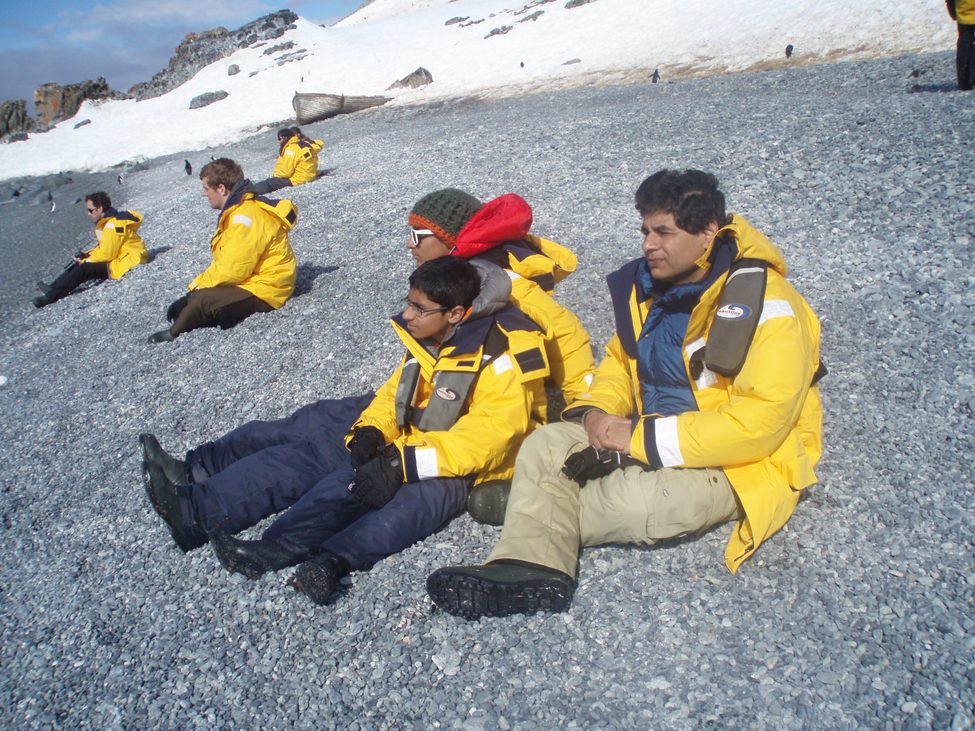
Relaxing on a beach, abandoned boat in the background
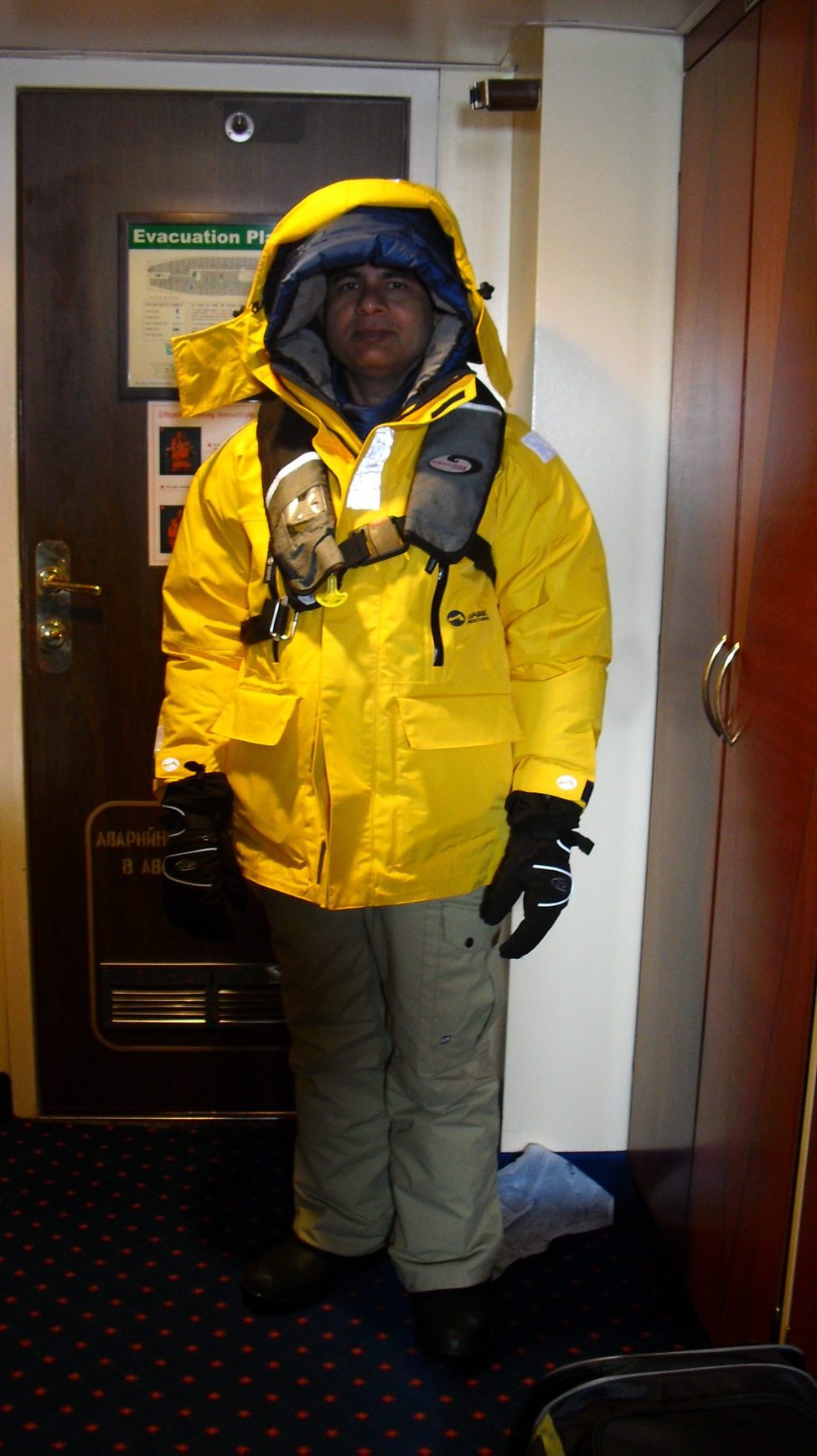
The showy gear costs a fortune
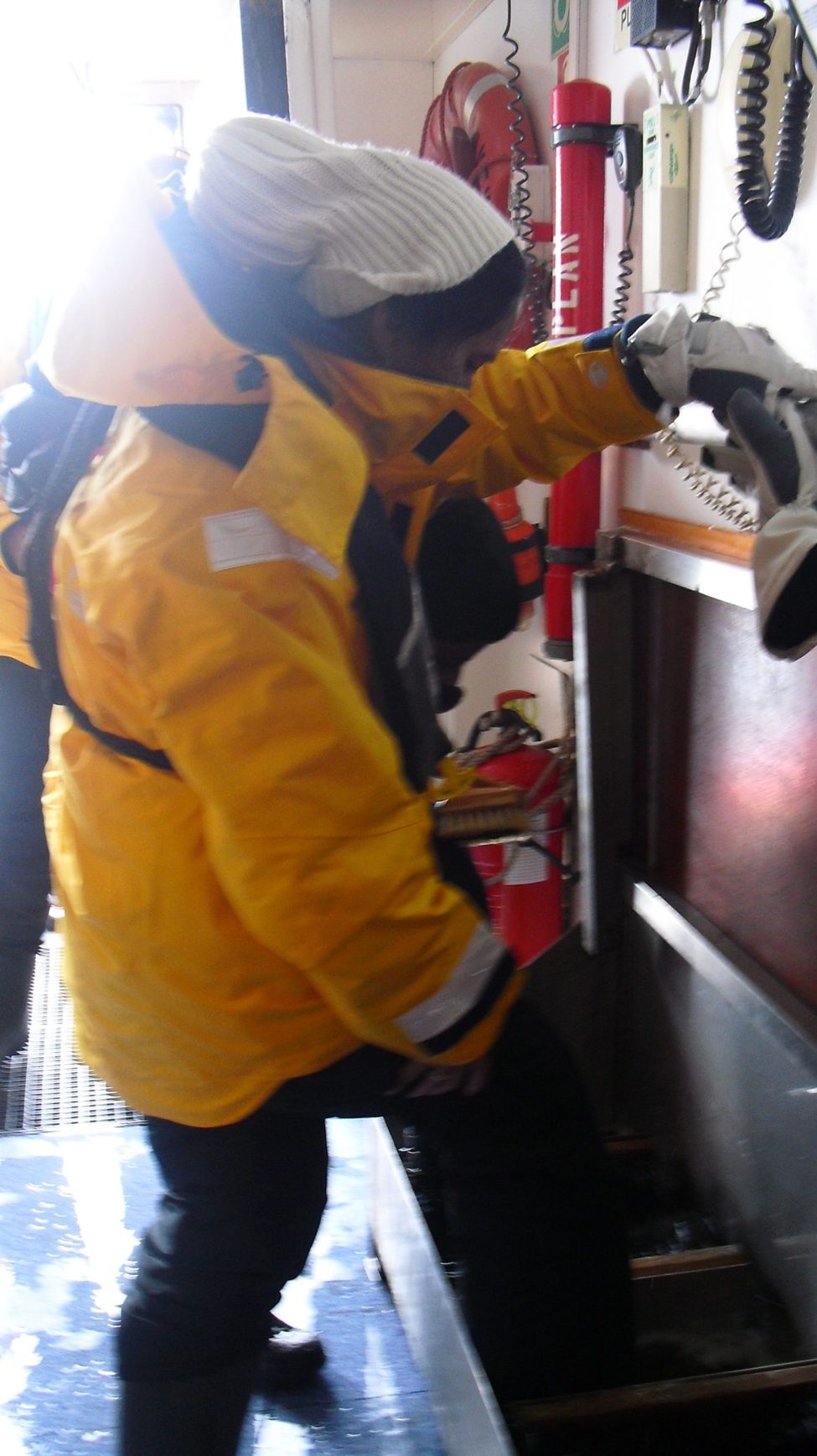
Washing shoes before disembarking
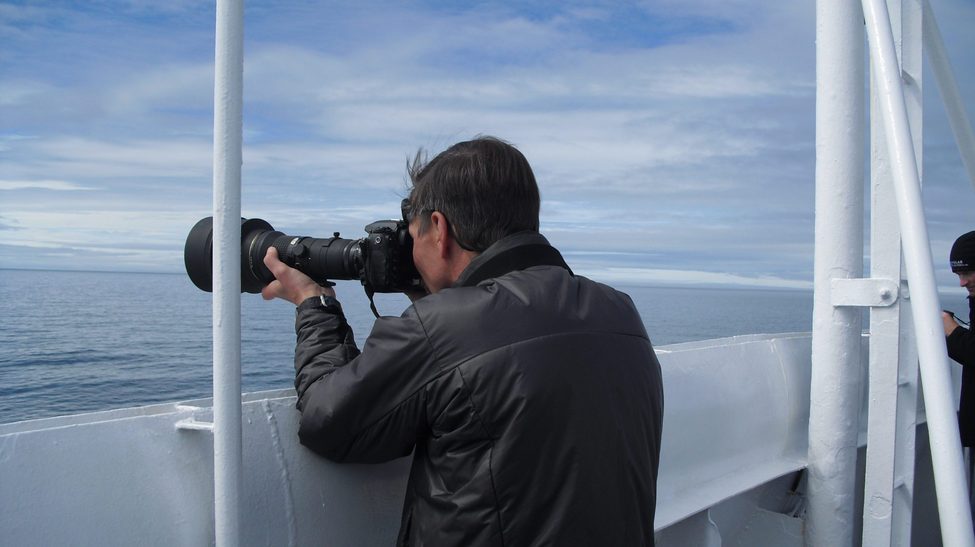
All passengers had gun-like cameras except one
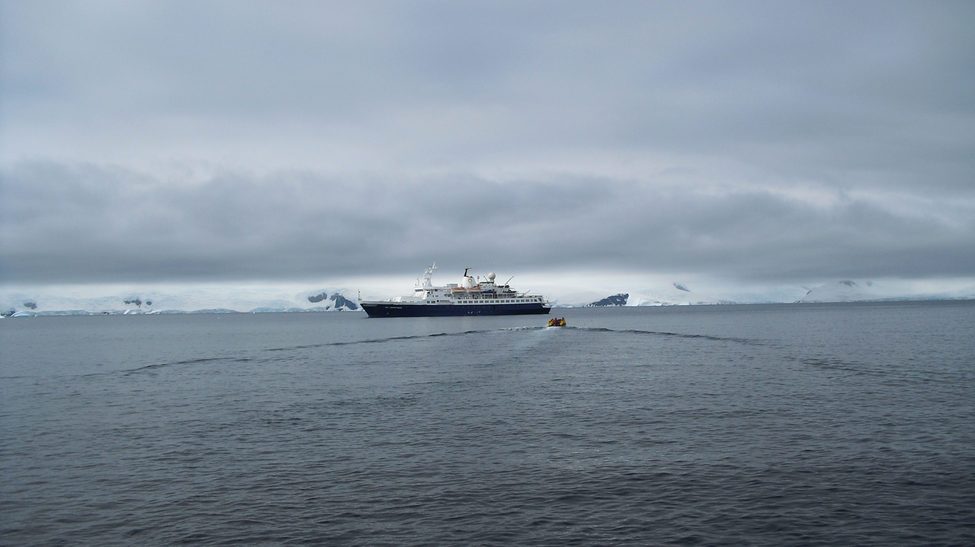
Landing sequence
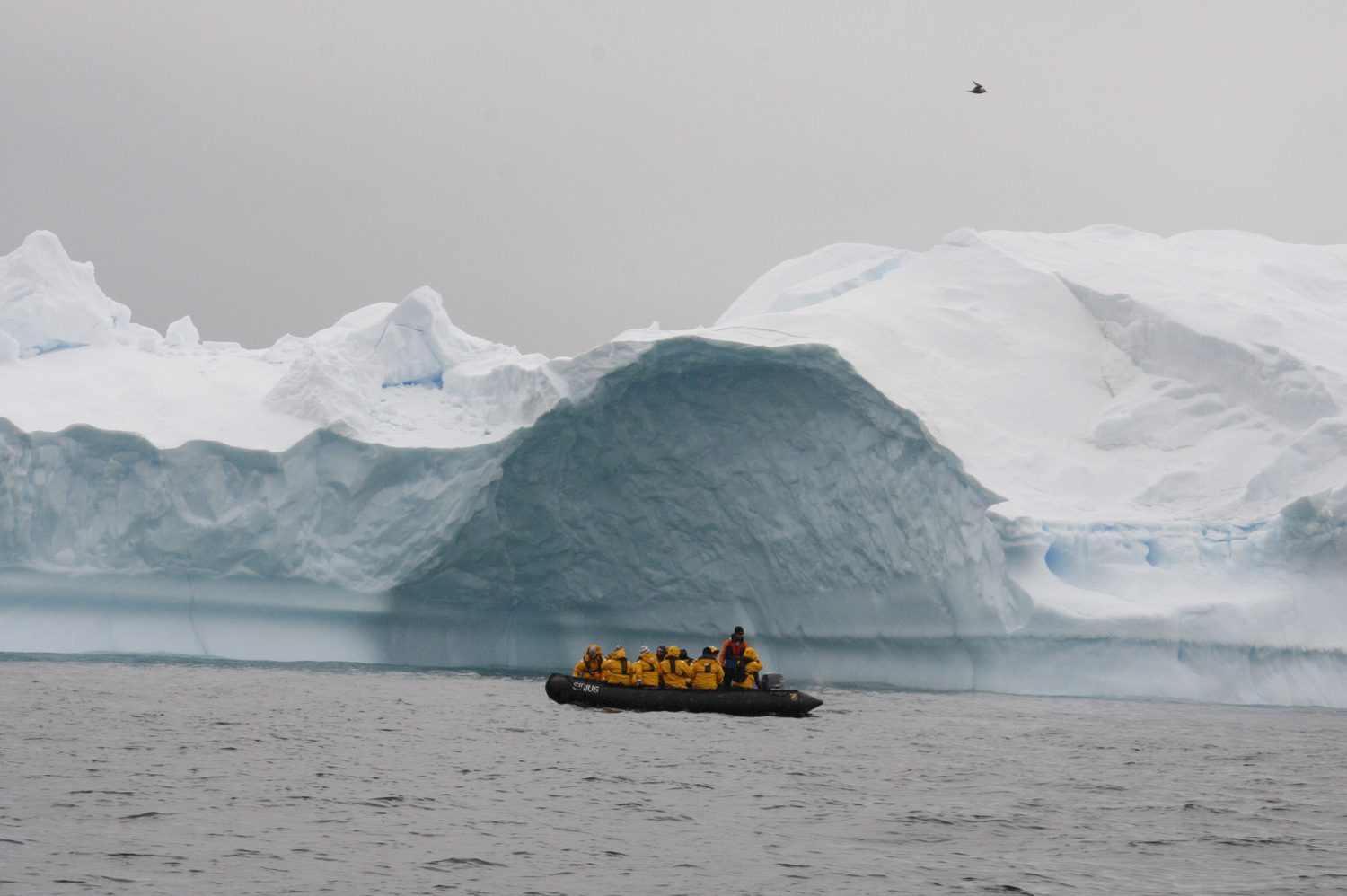
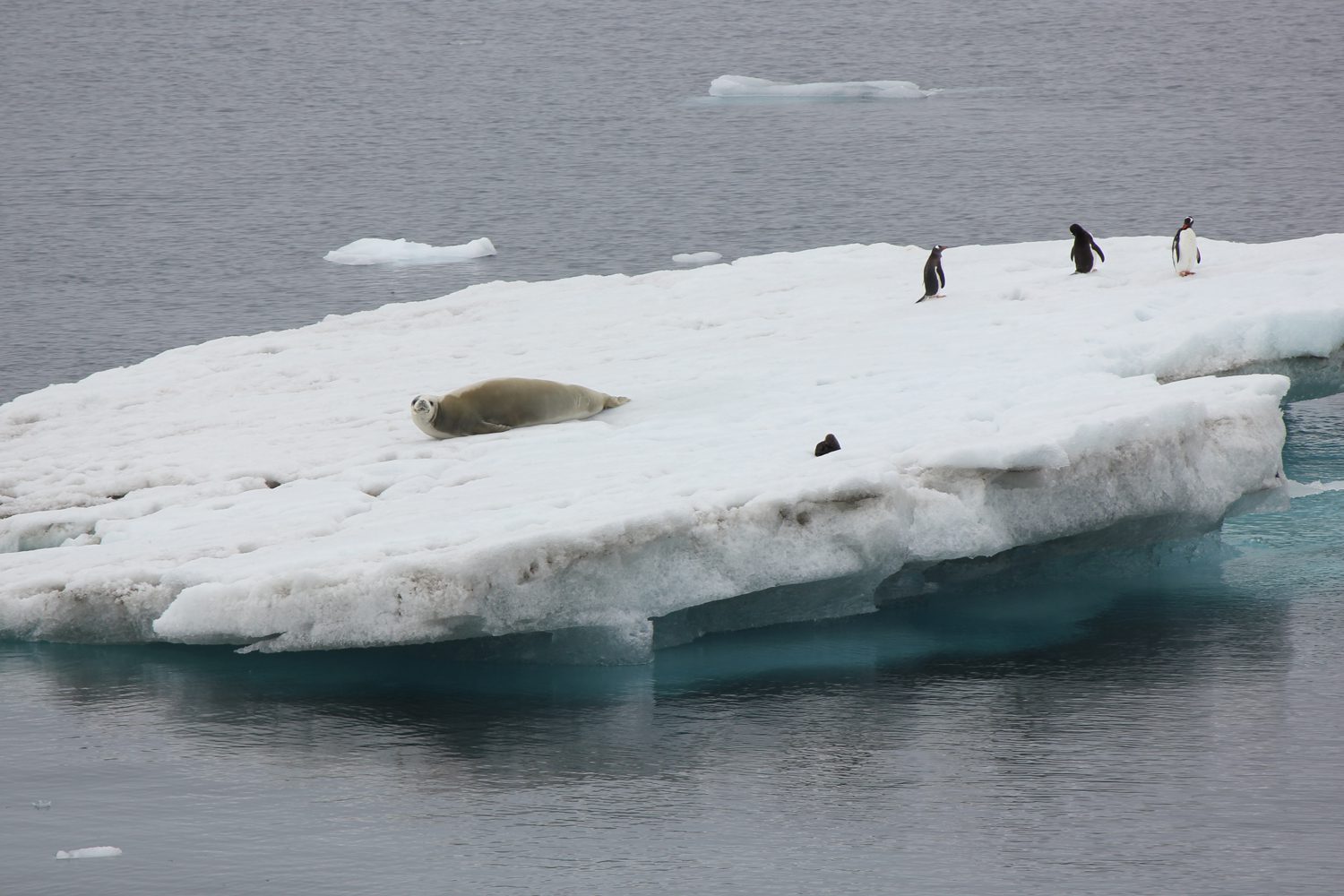
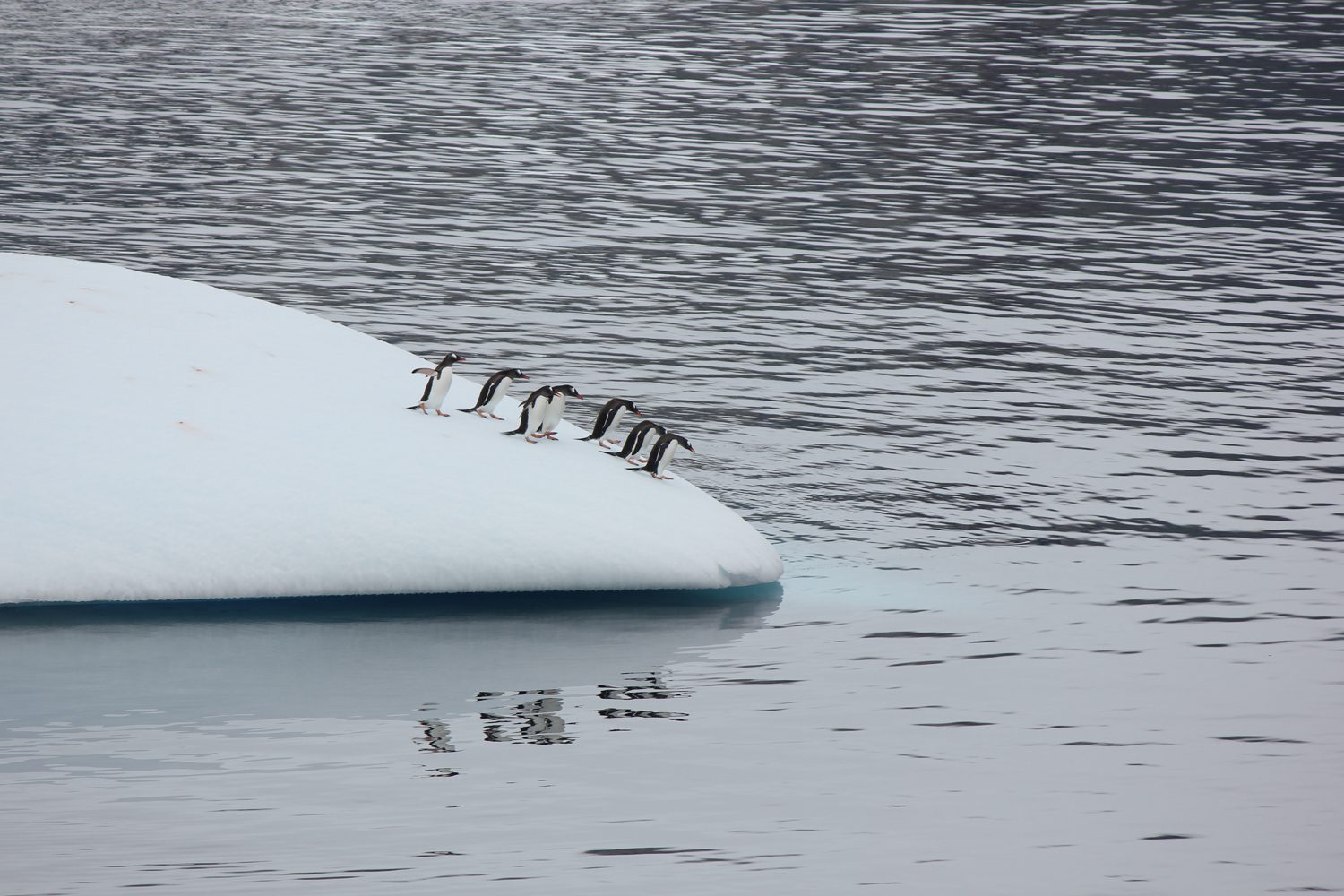
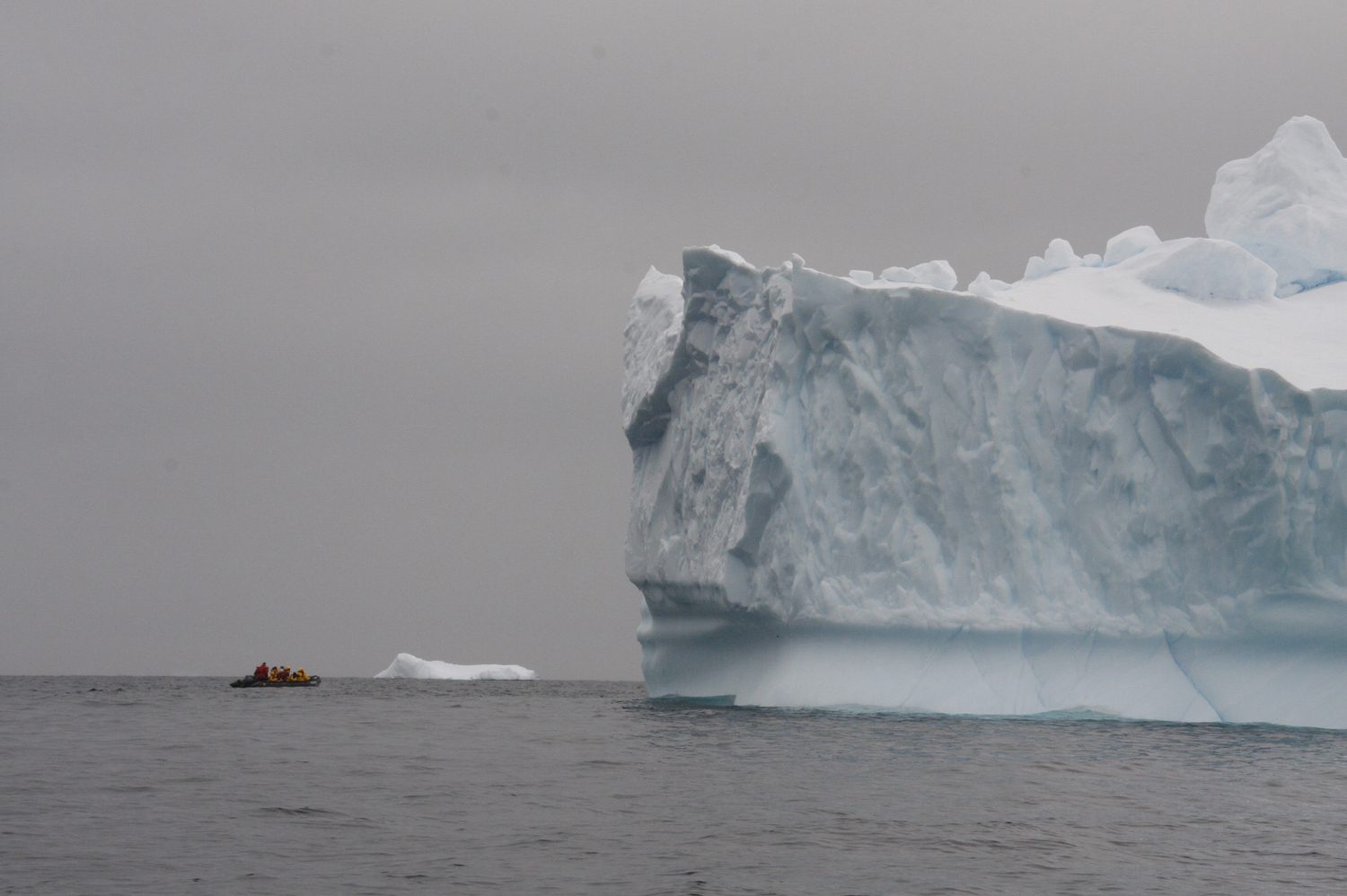
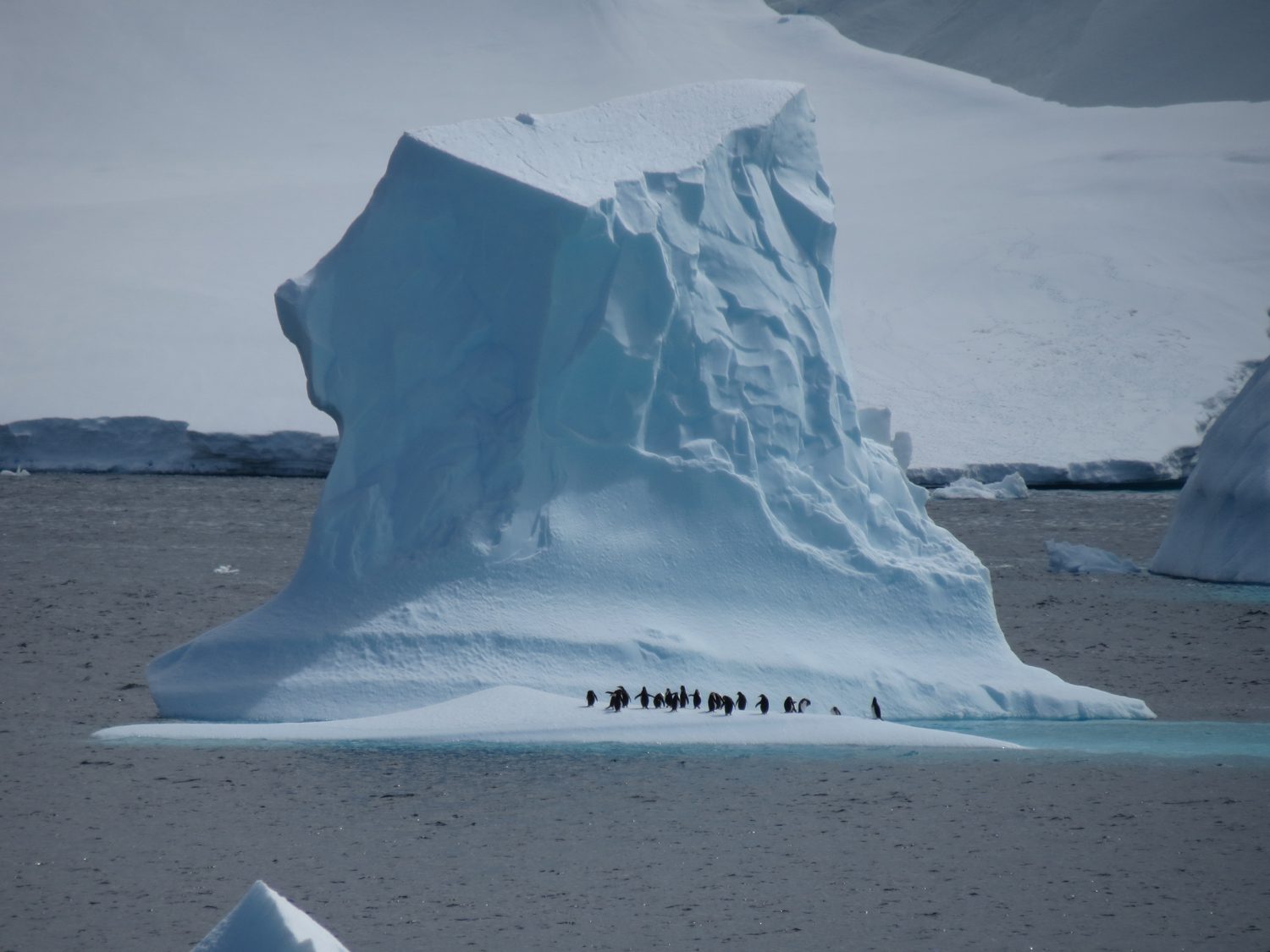
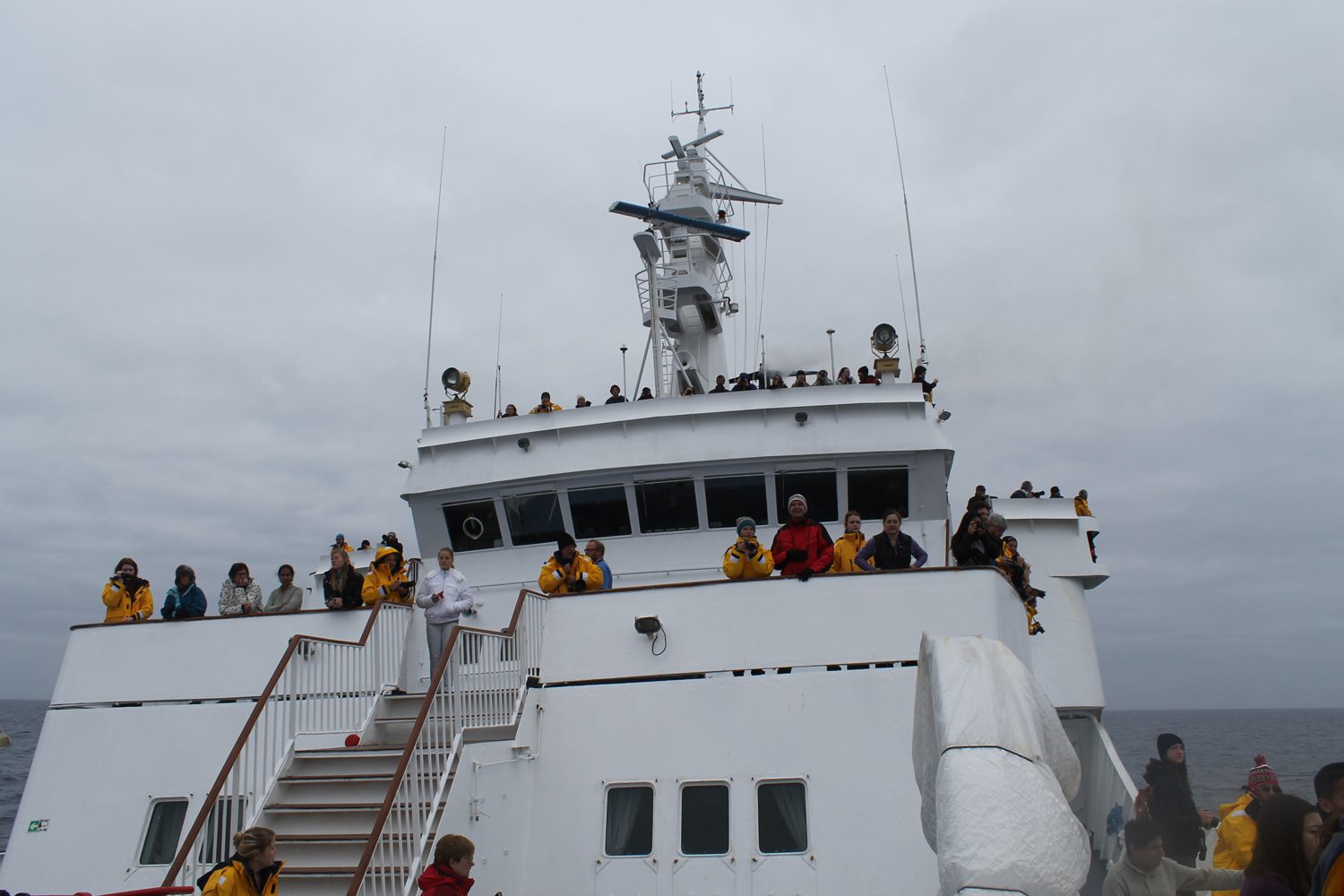
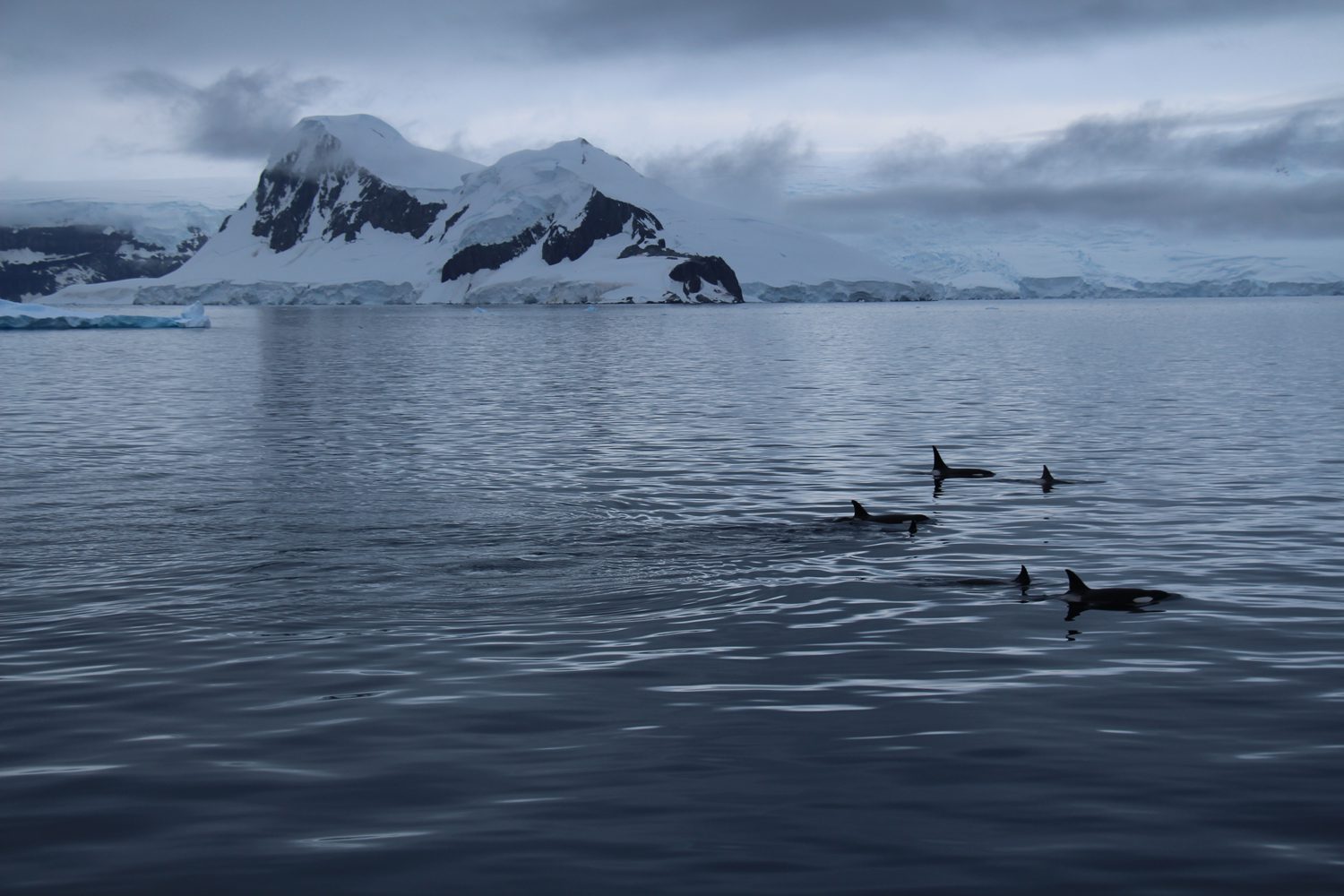
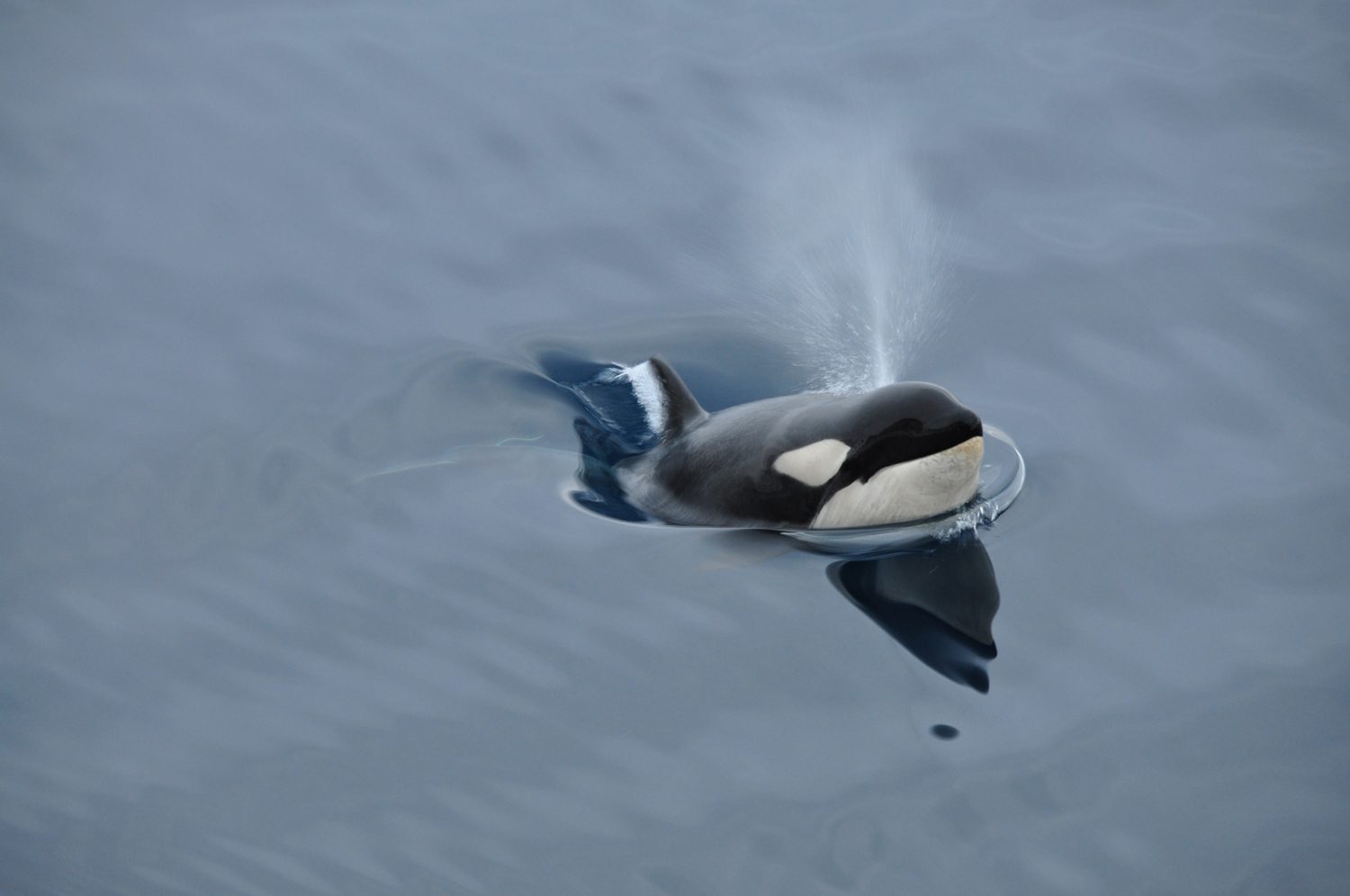
A whale is spotted
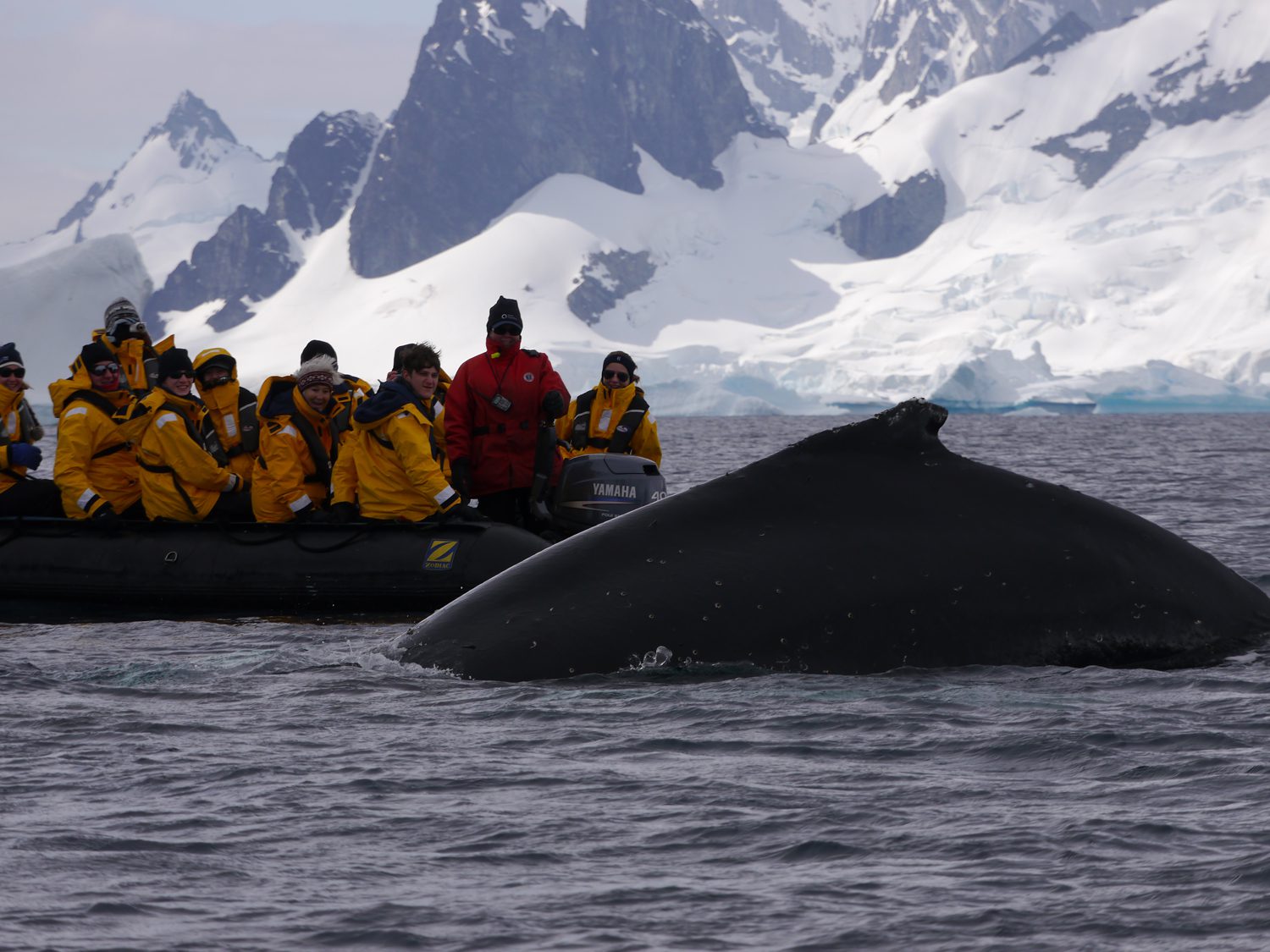
Whale watching
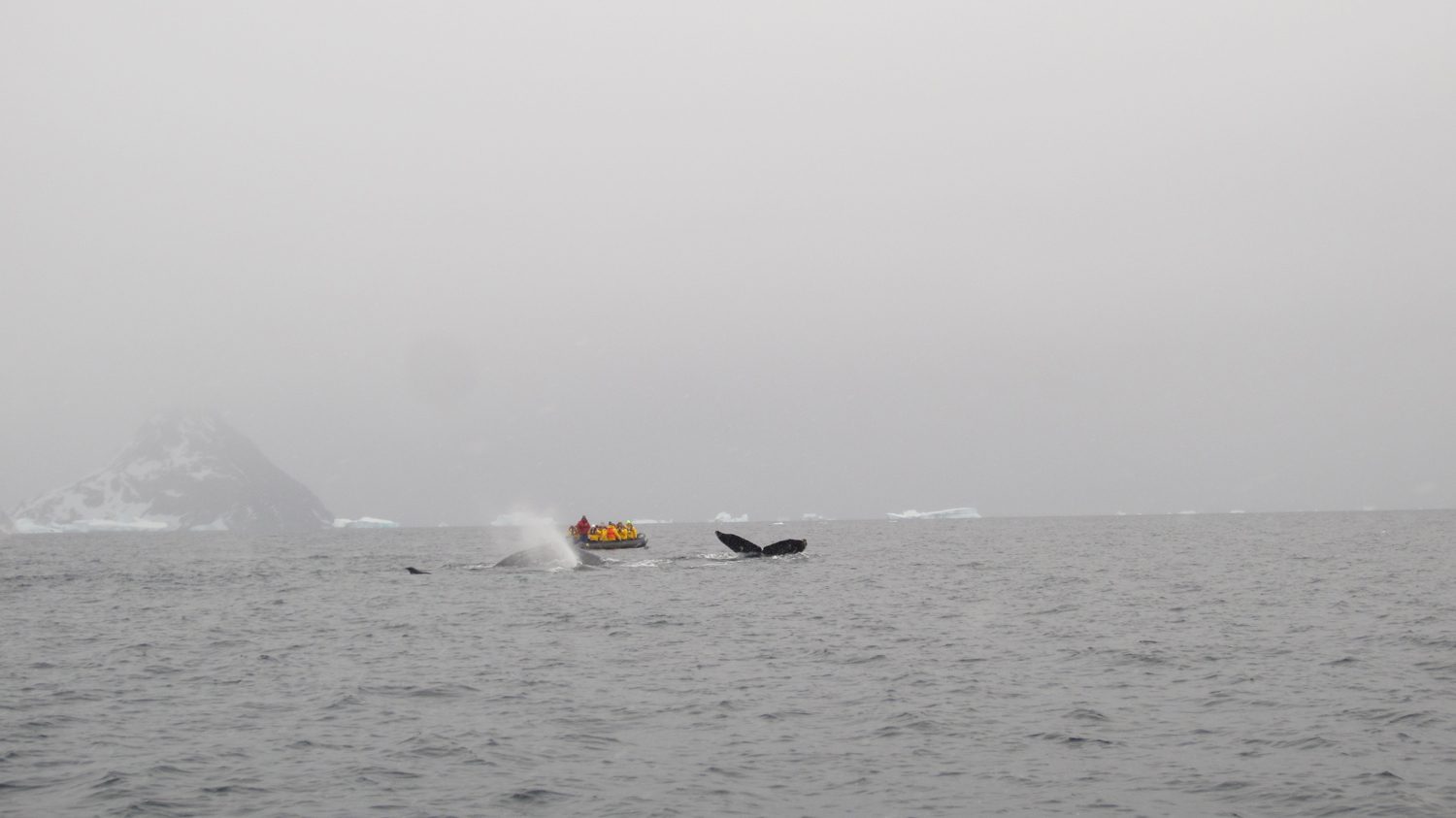
Whale watching
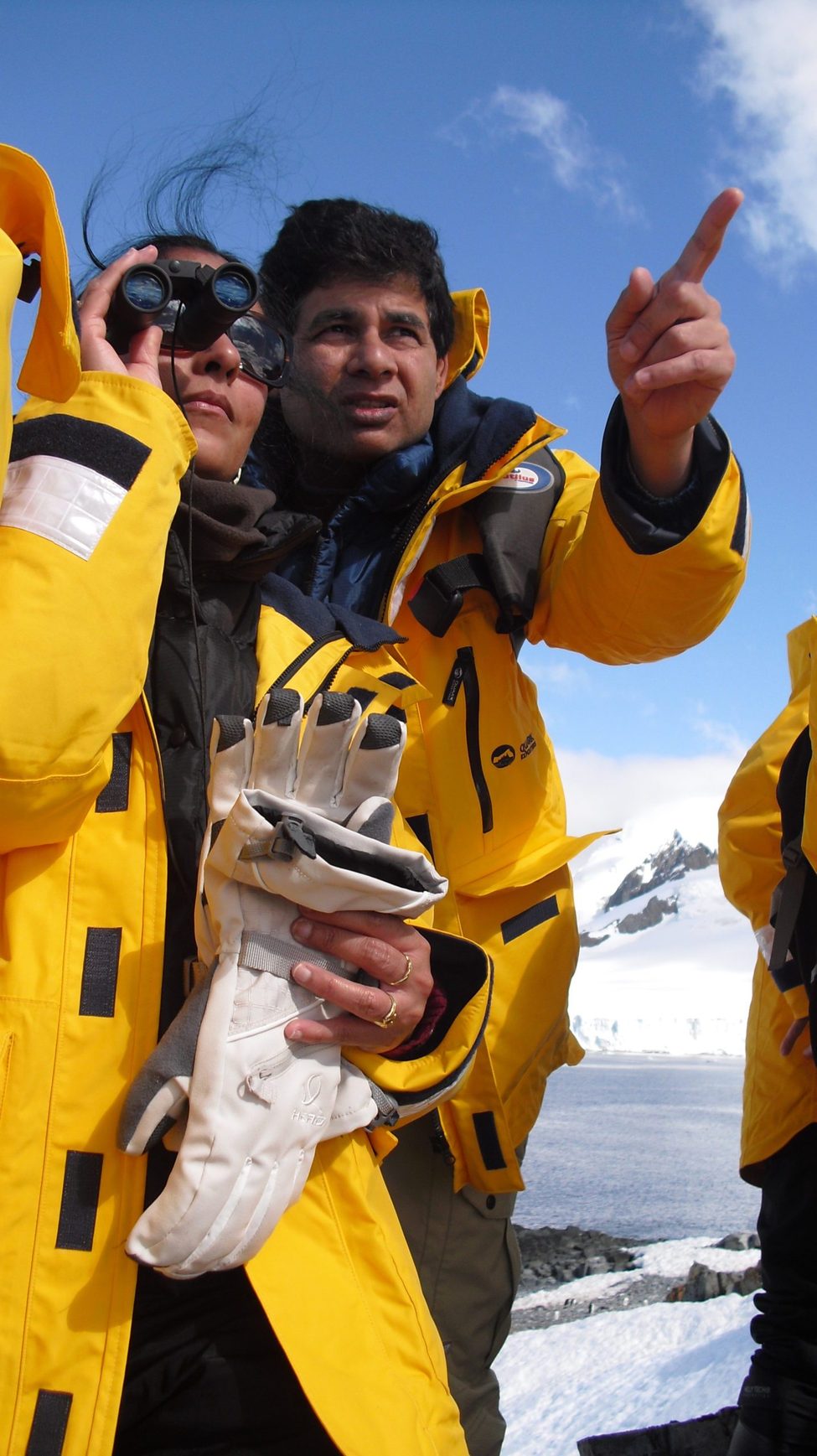
We spotted something
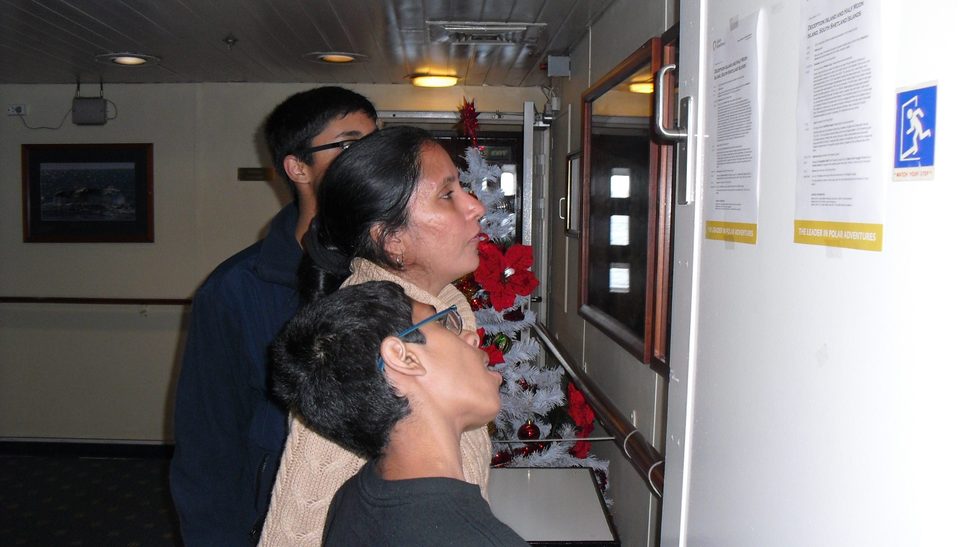
Bored of daily notices
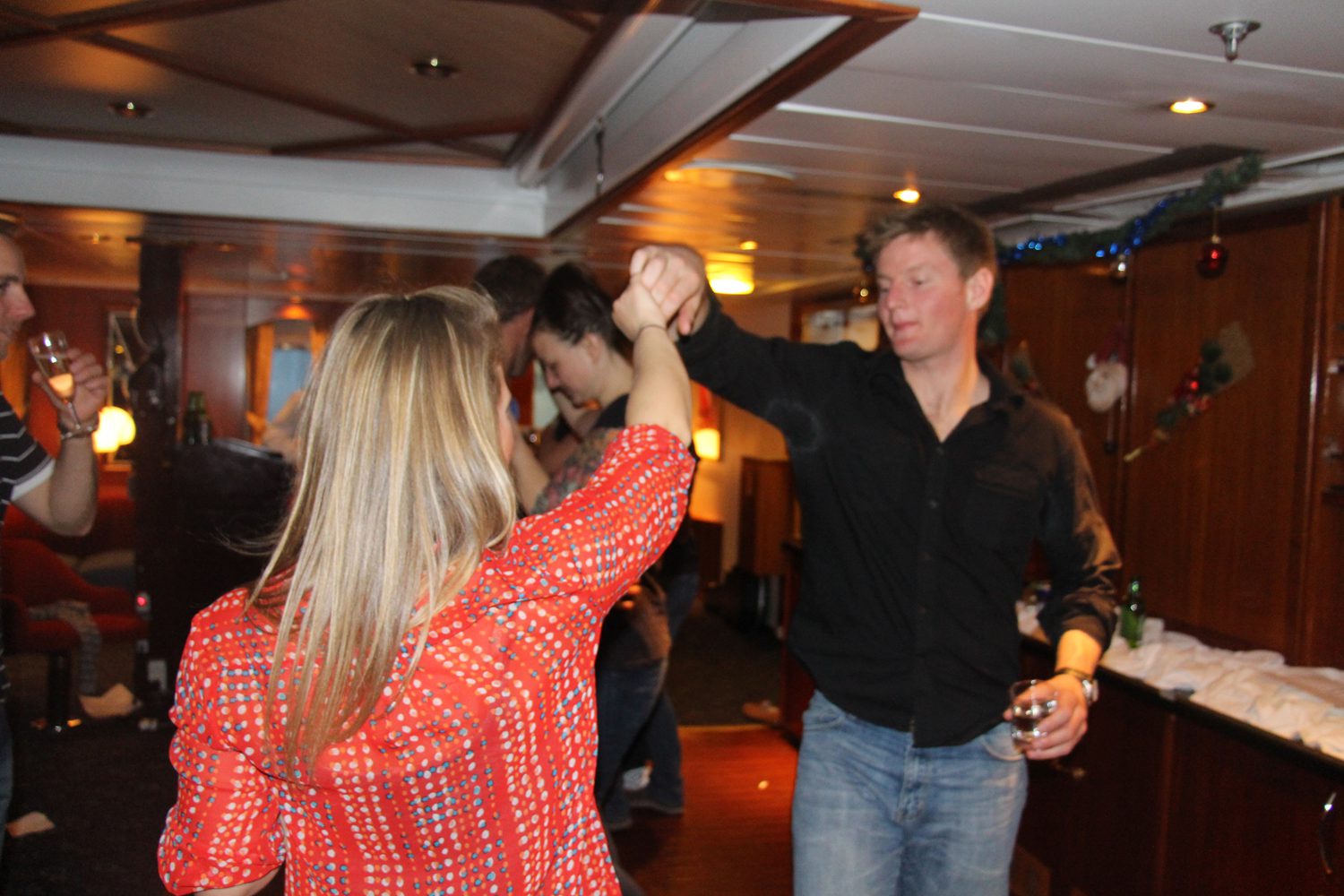
New Years 2013 celebration
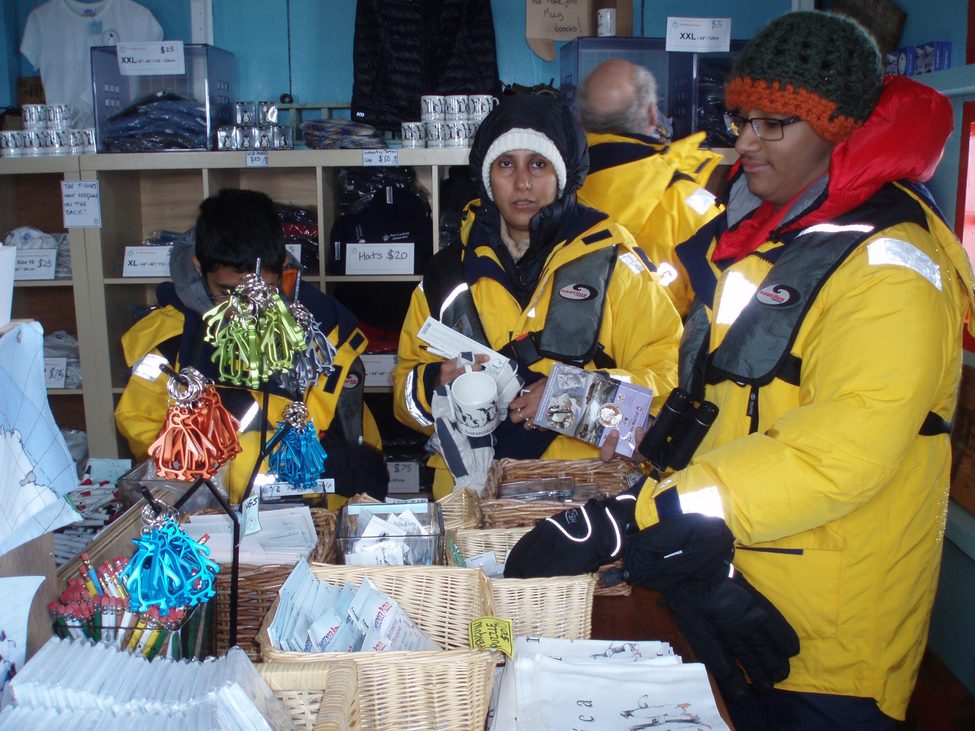
Yes, shopping is there in Antarctica
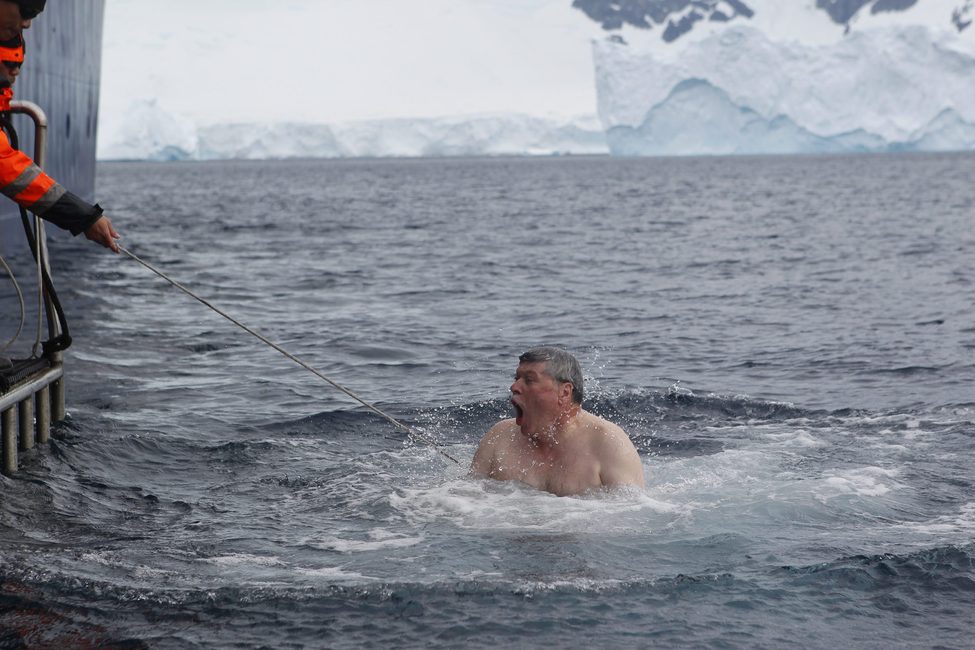
Expressions of Antarctic dip
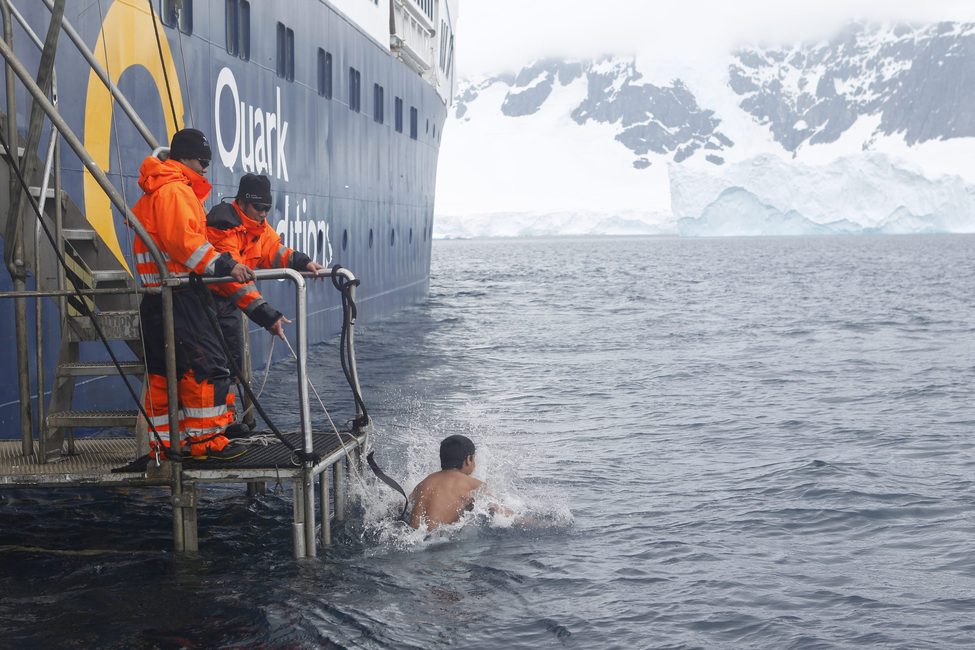
Only Zohaib took Antarctic dip
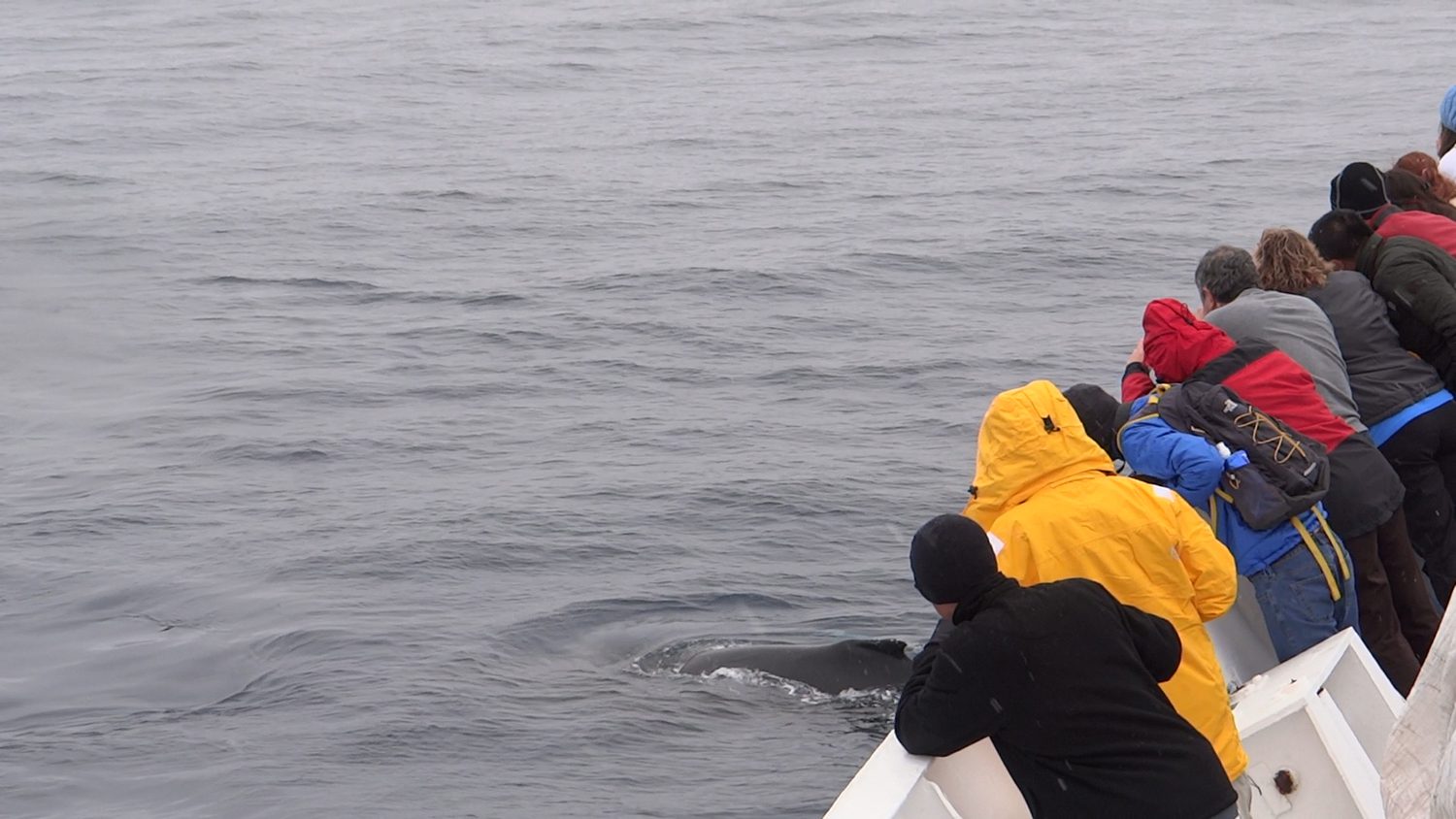
People nearly capsized the boat
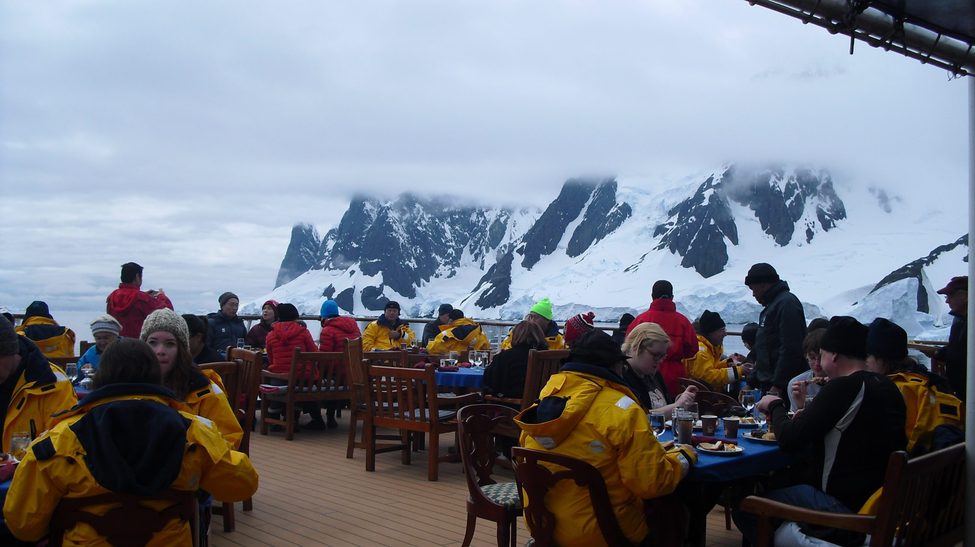
BBQ on ship deck
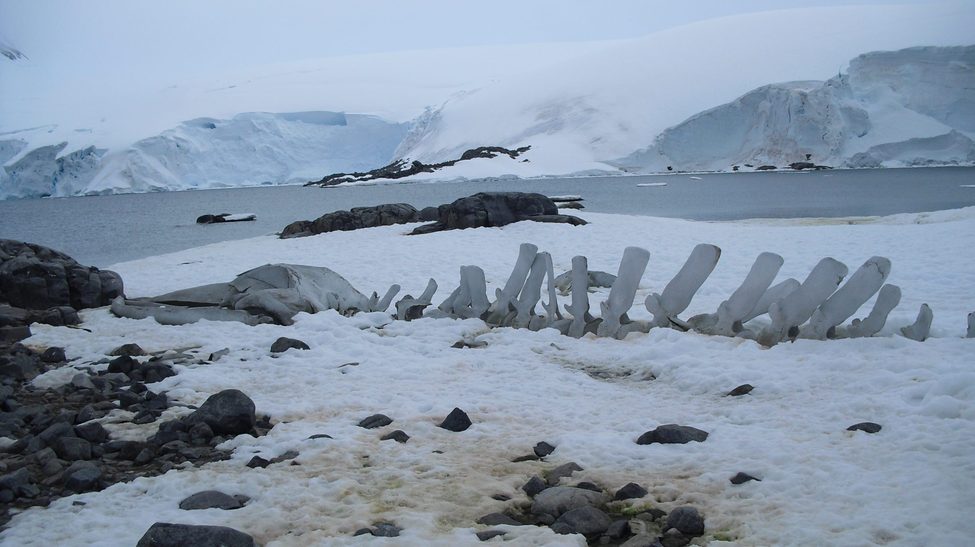
Remnants of whale hunting. Decay is slow on the continent
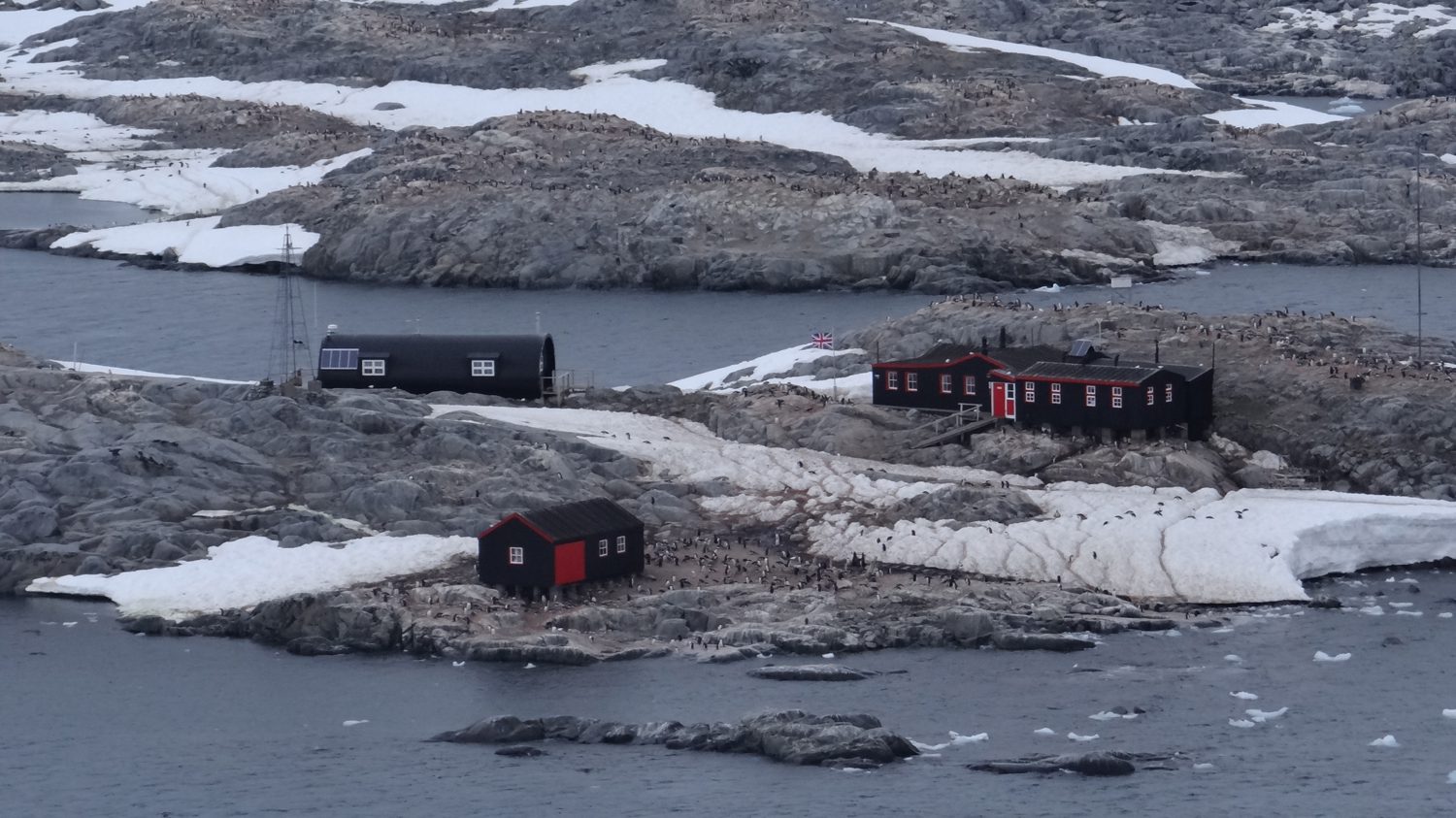
The British base
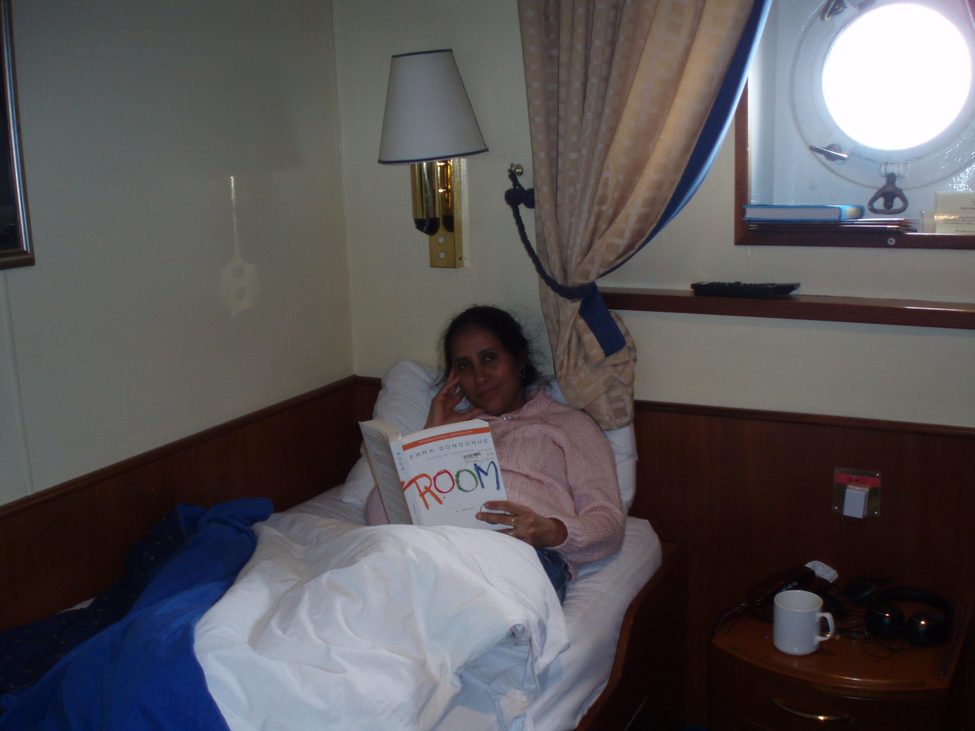
Story time
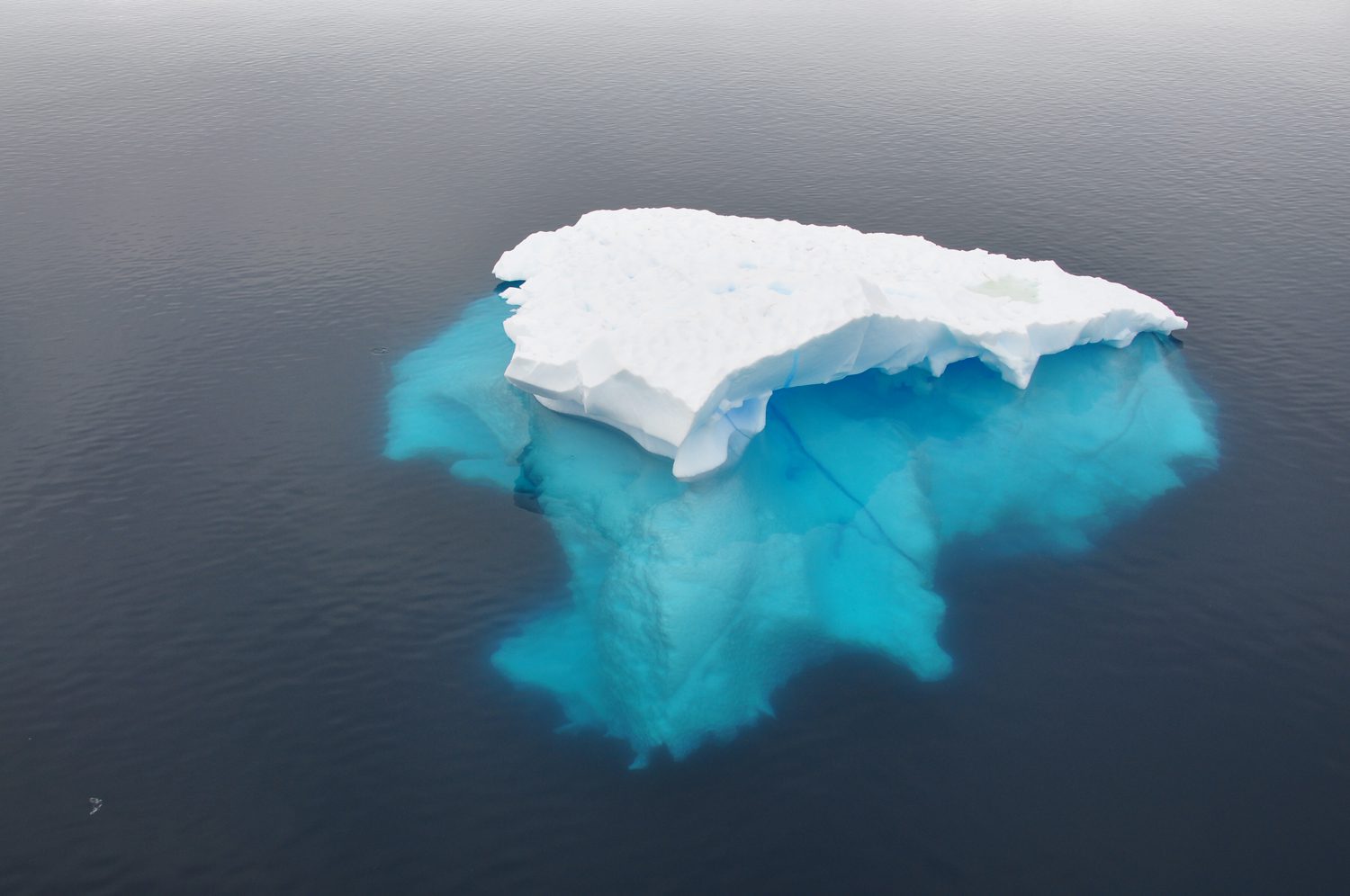
Tip of iceberg
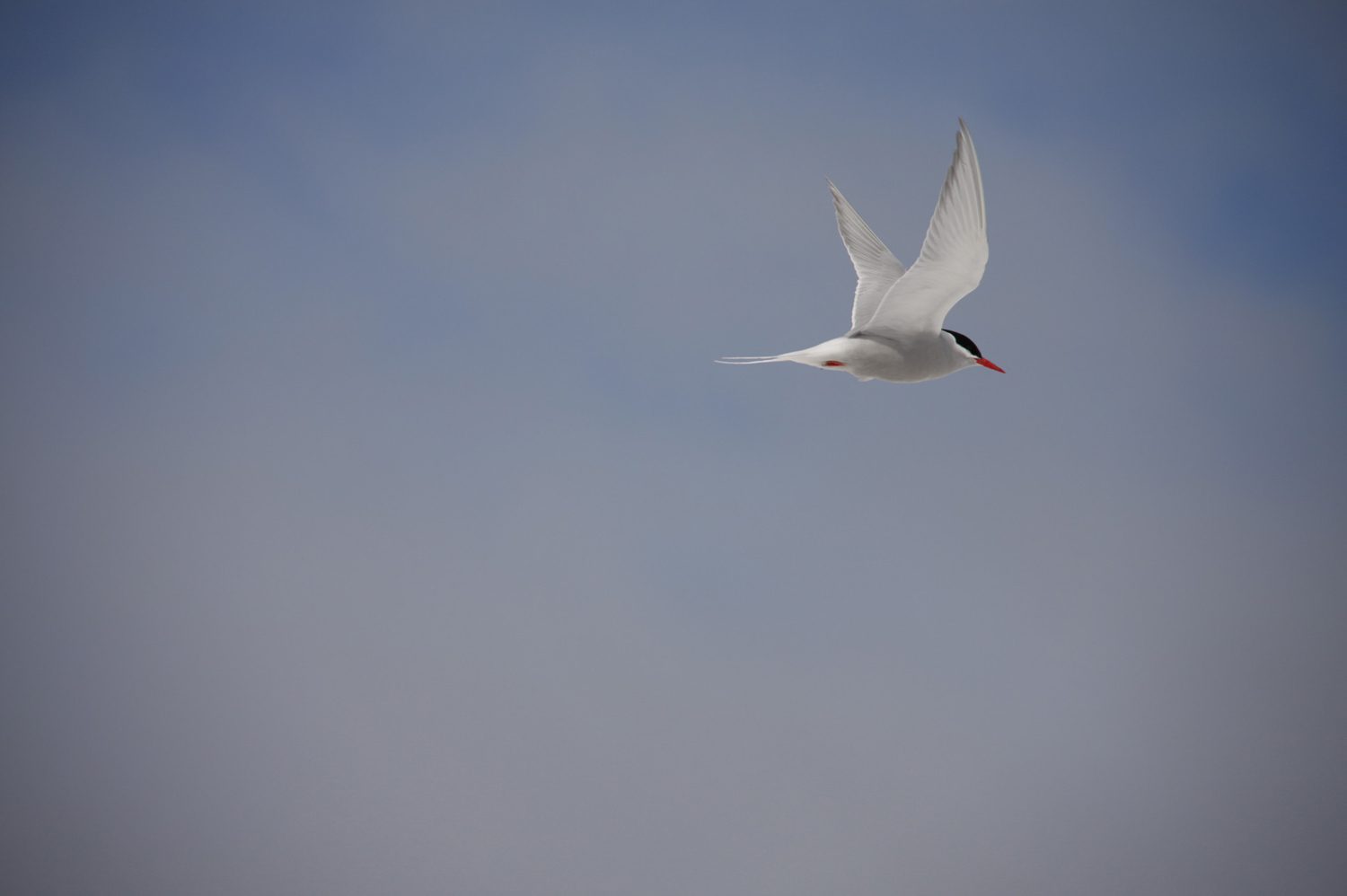
Antarctic tern never sees night
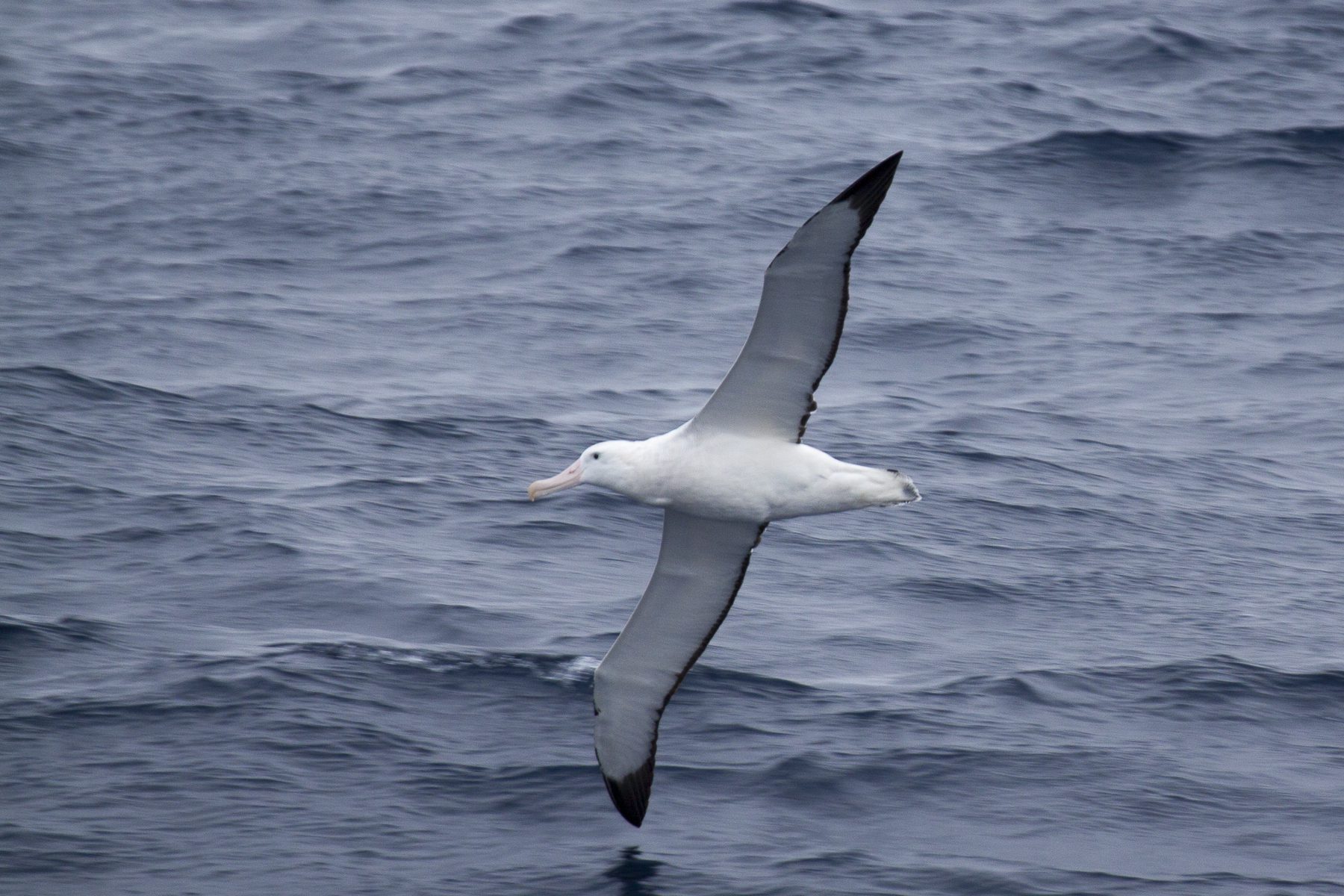
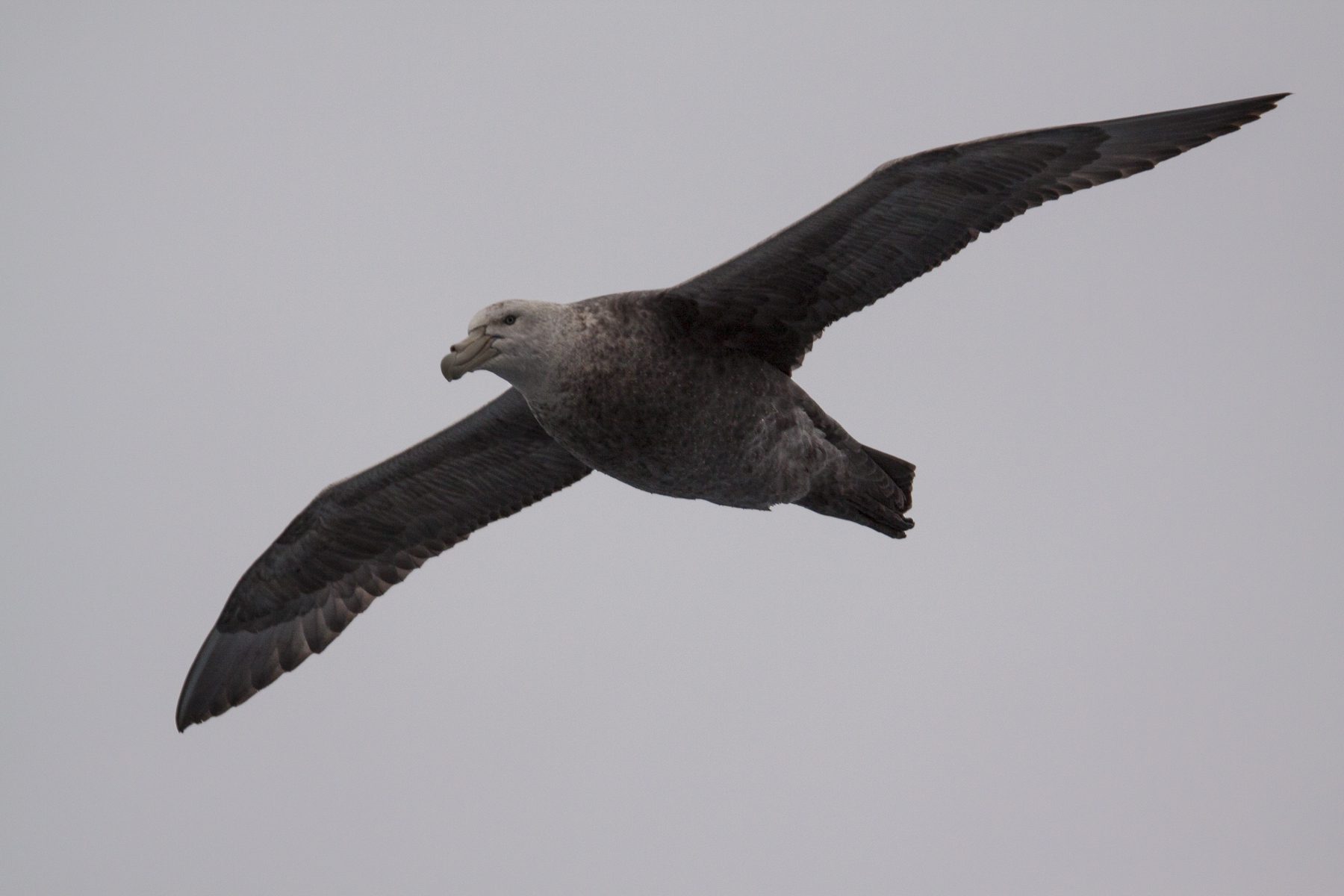
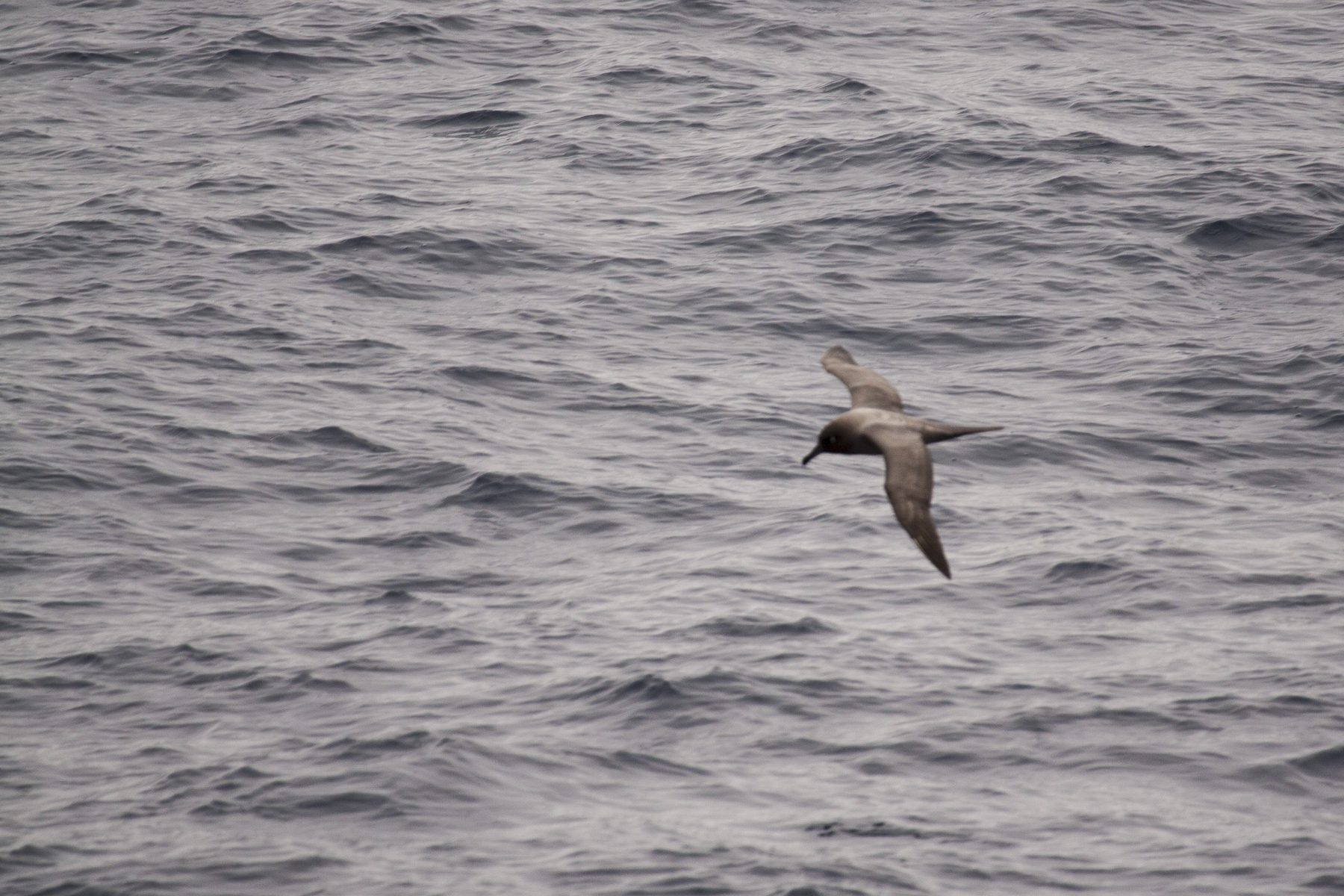
Wandering albatross is largest flying bird
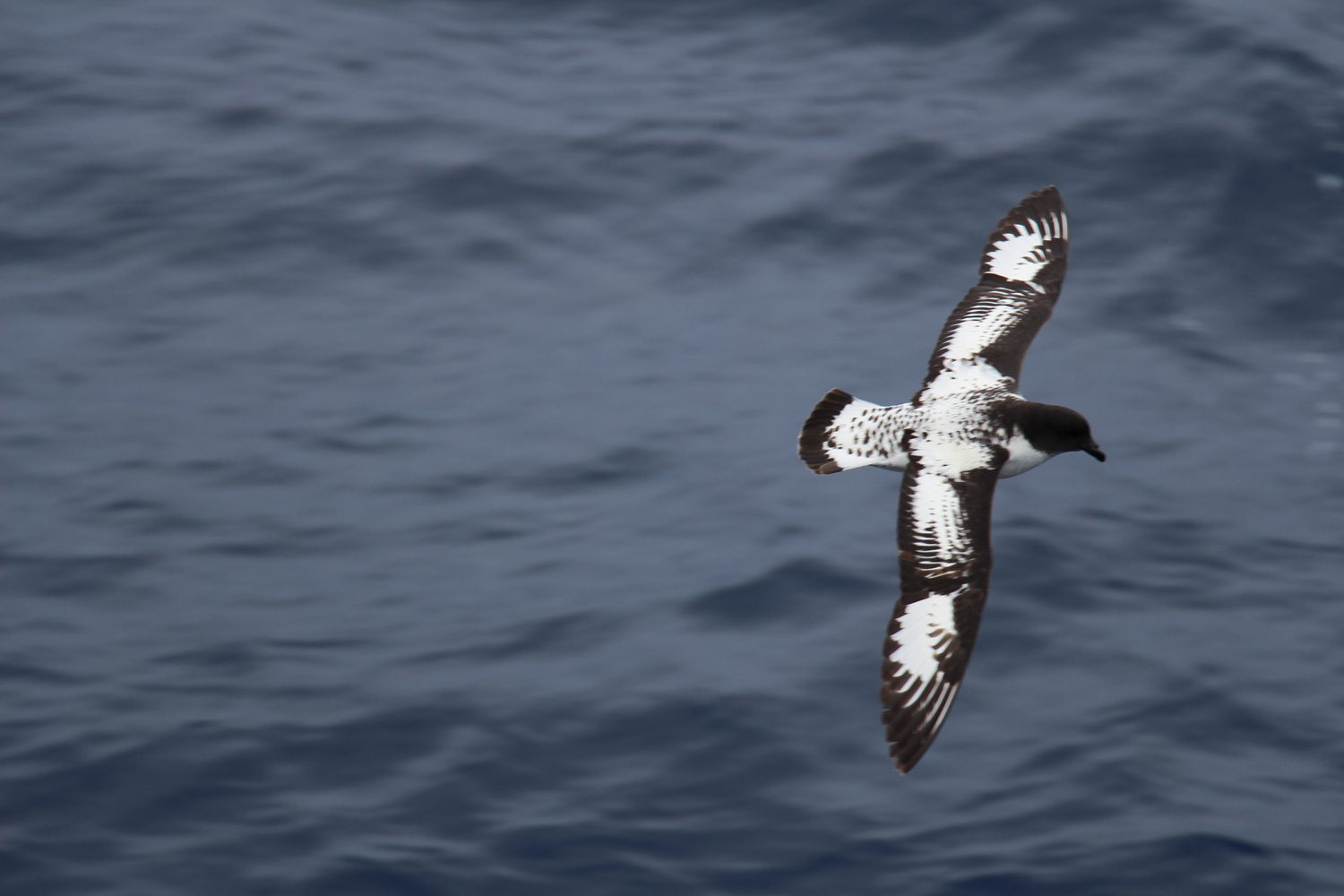
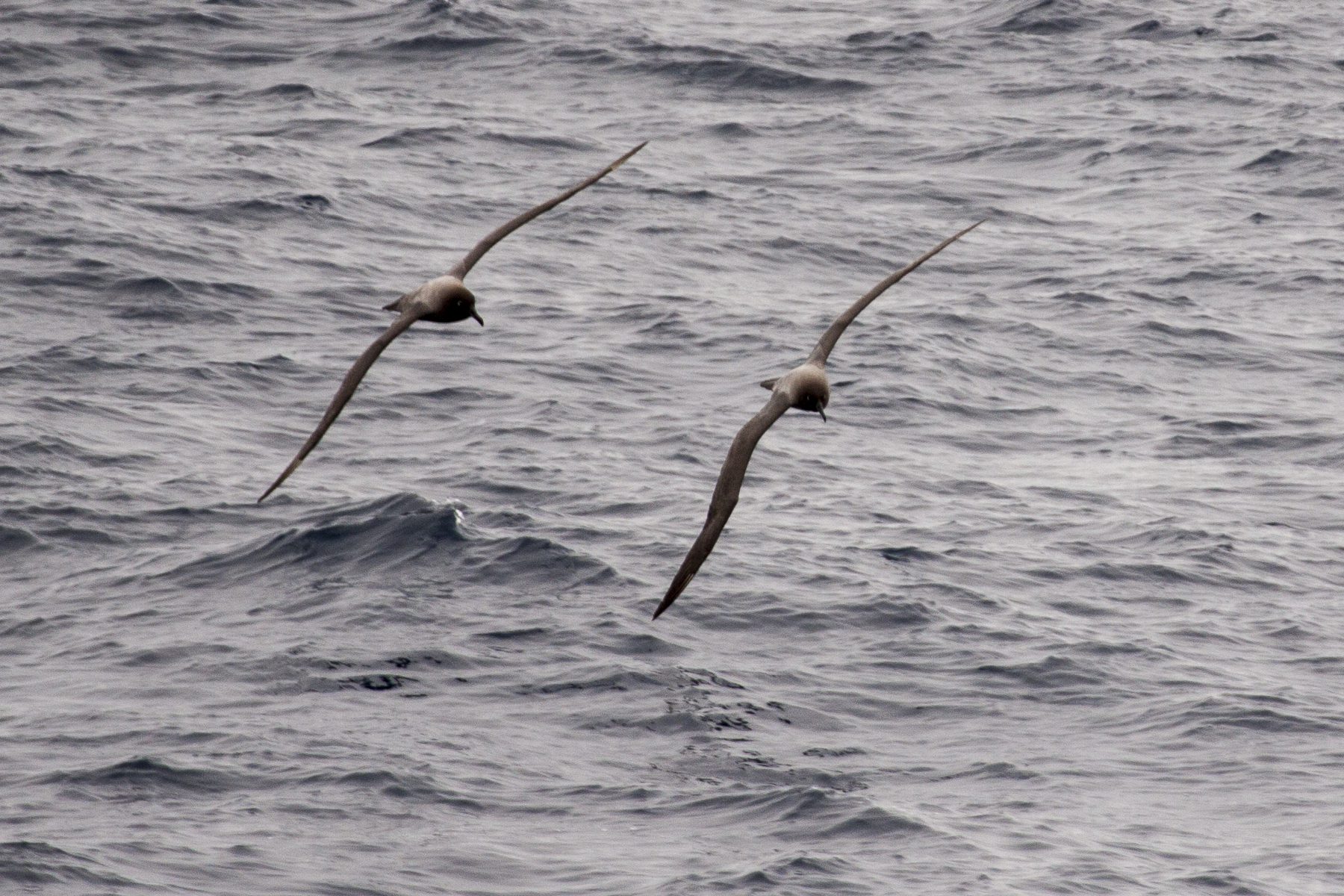
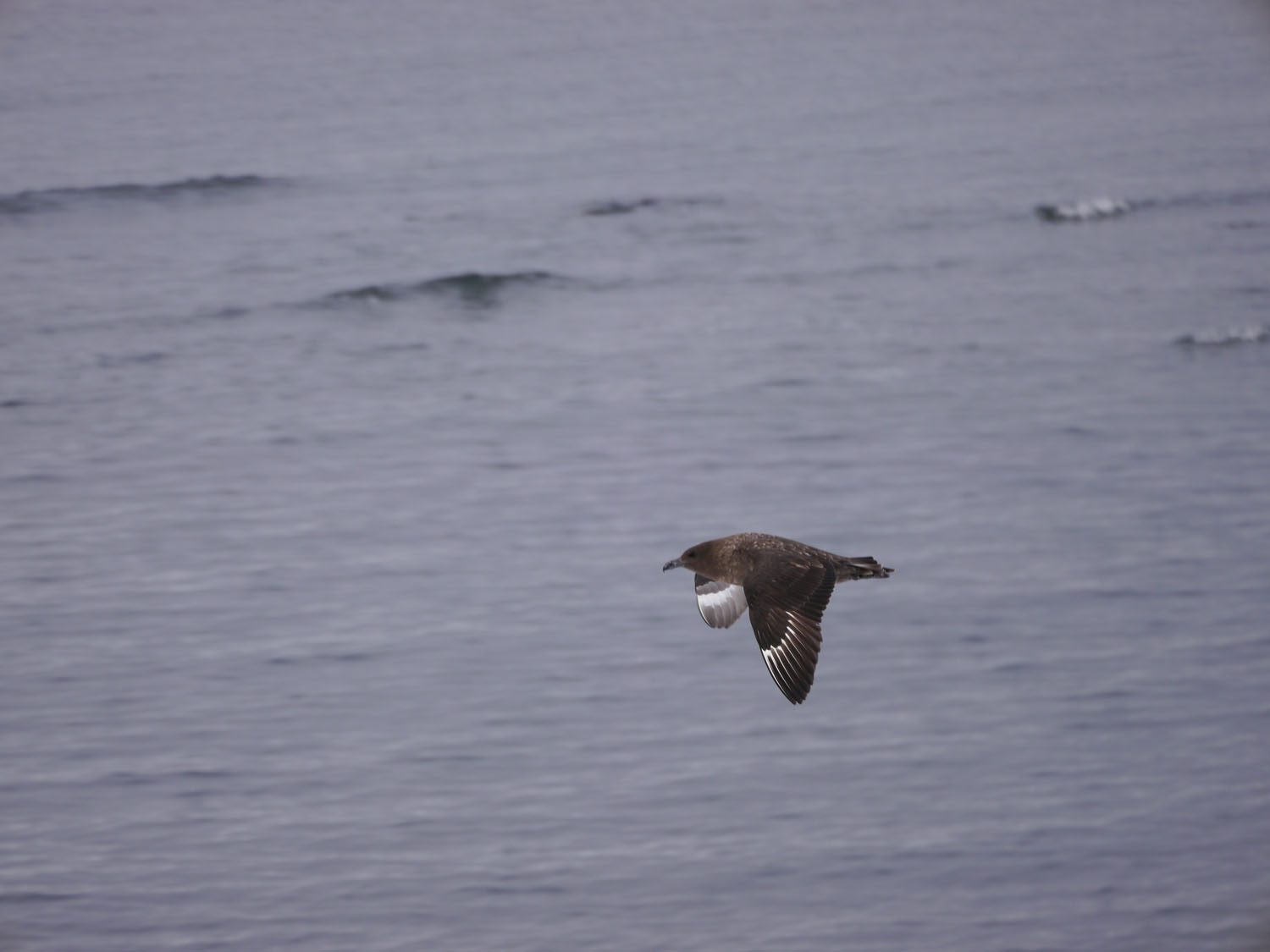
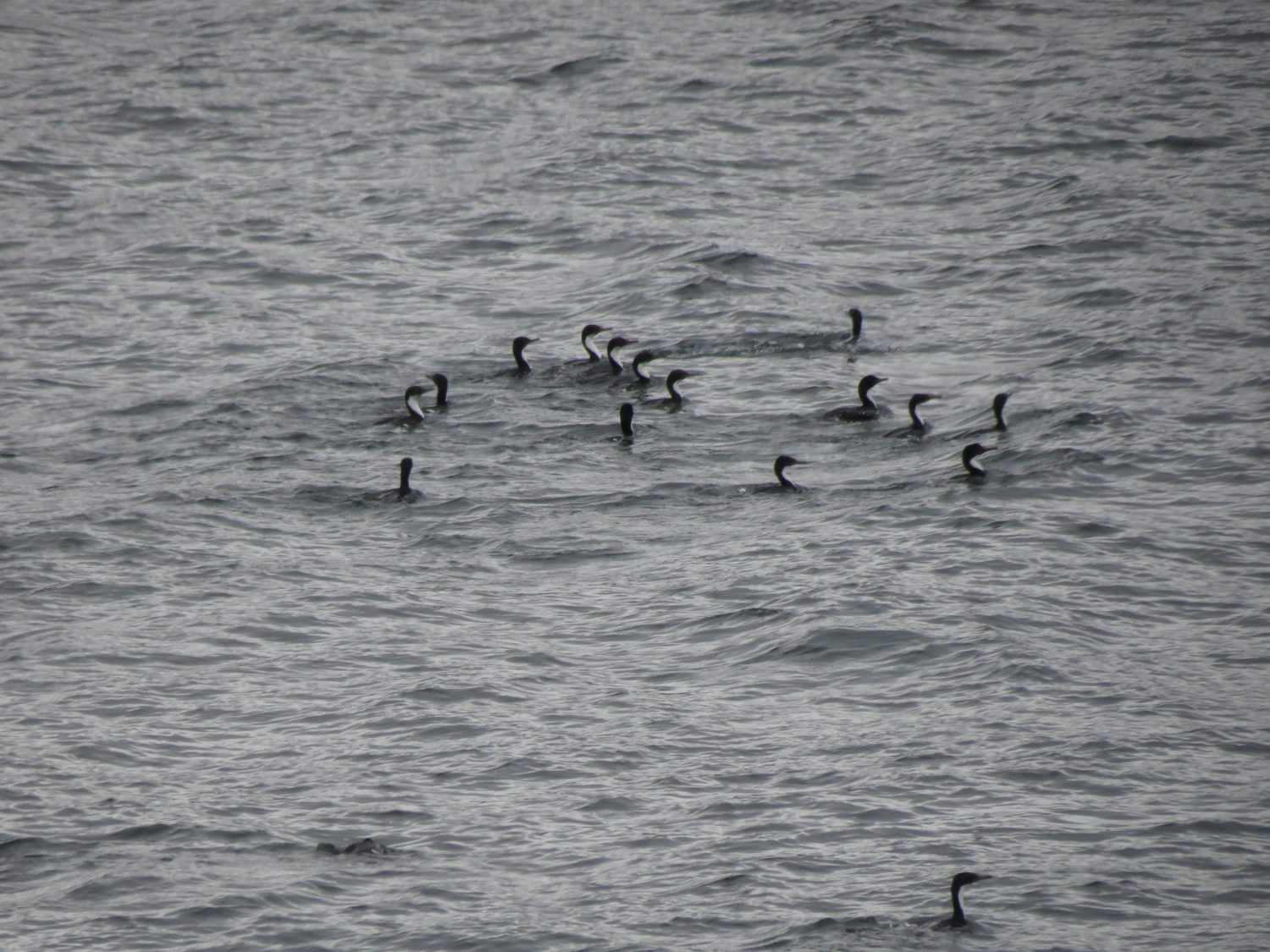
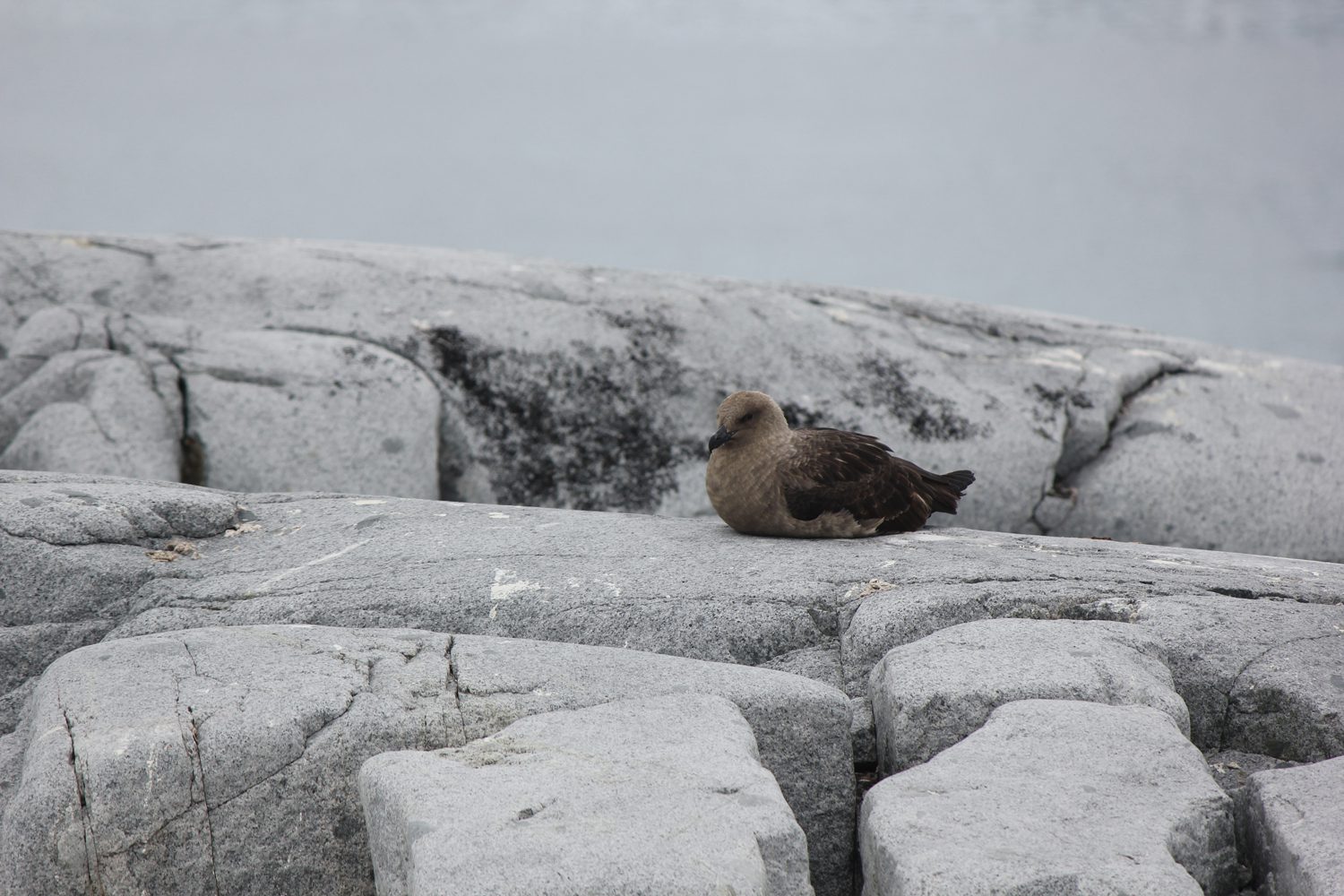
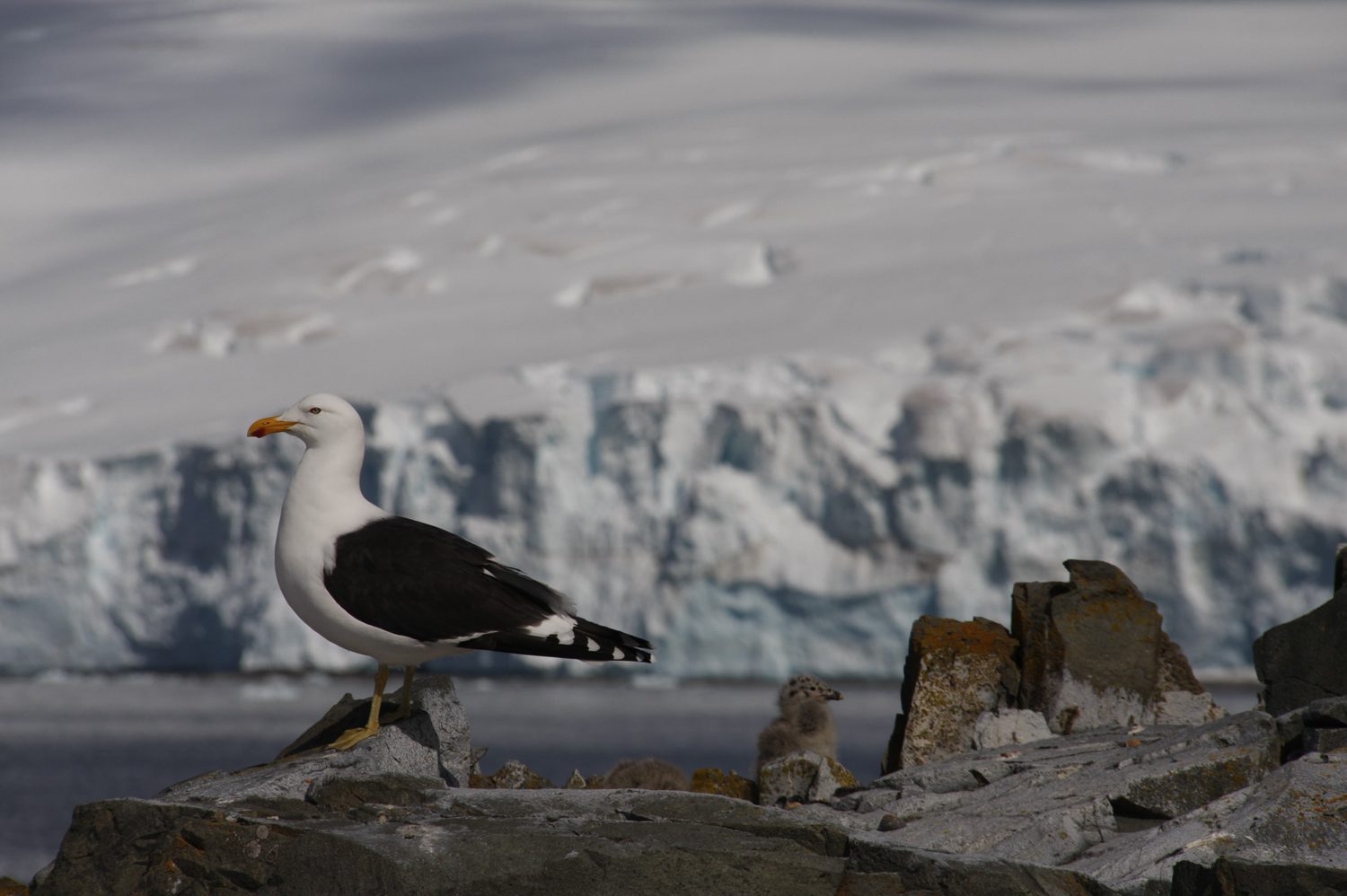
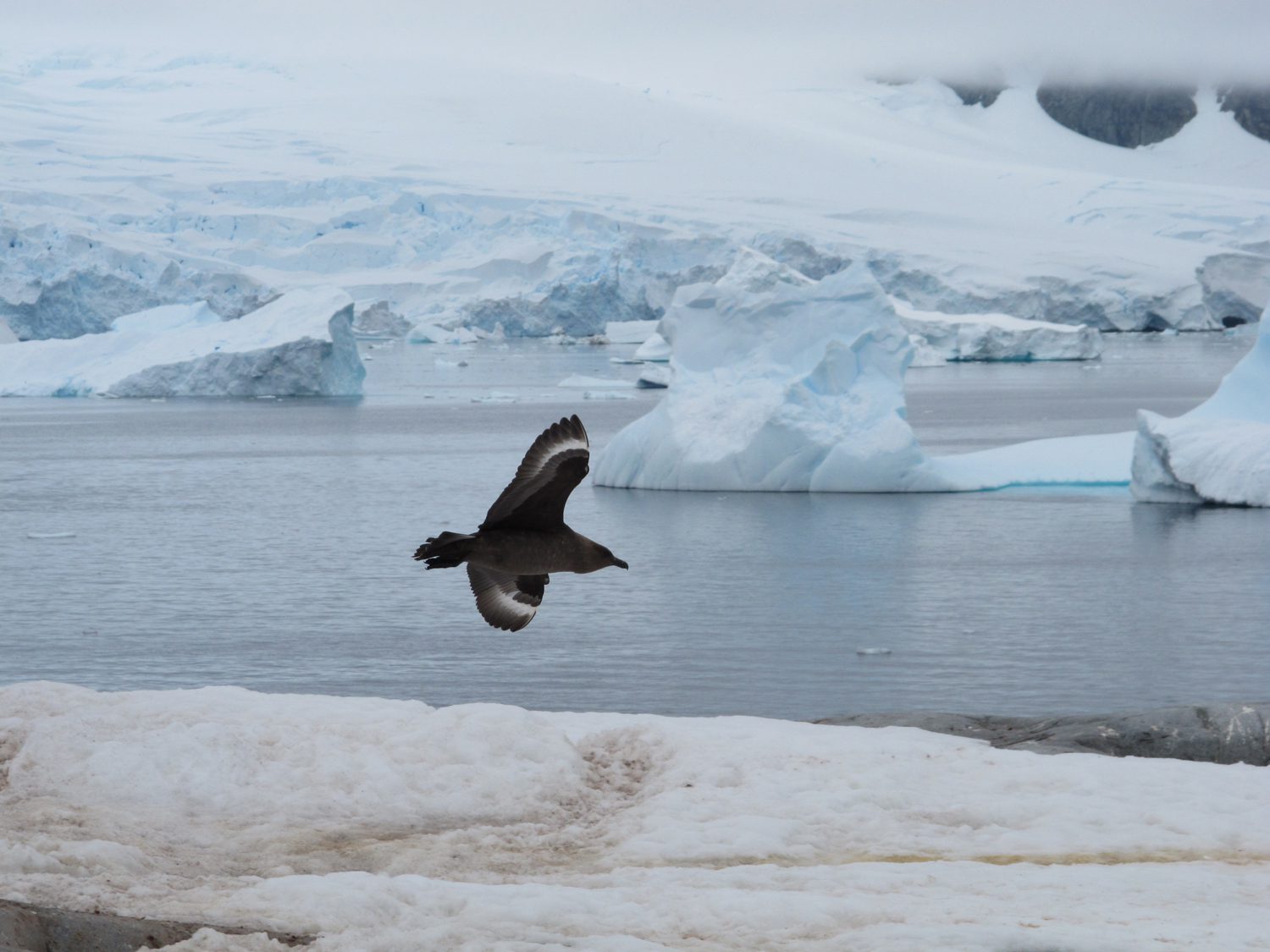
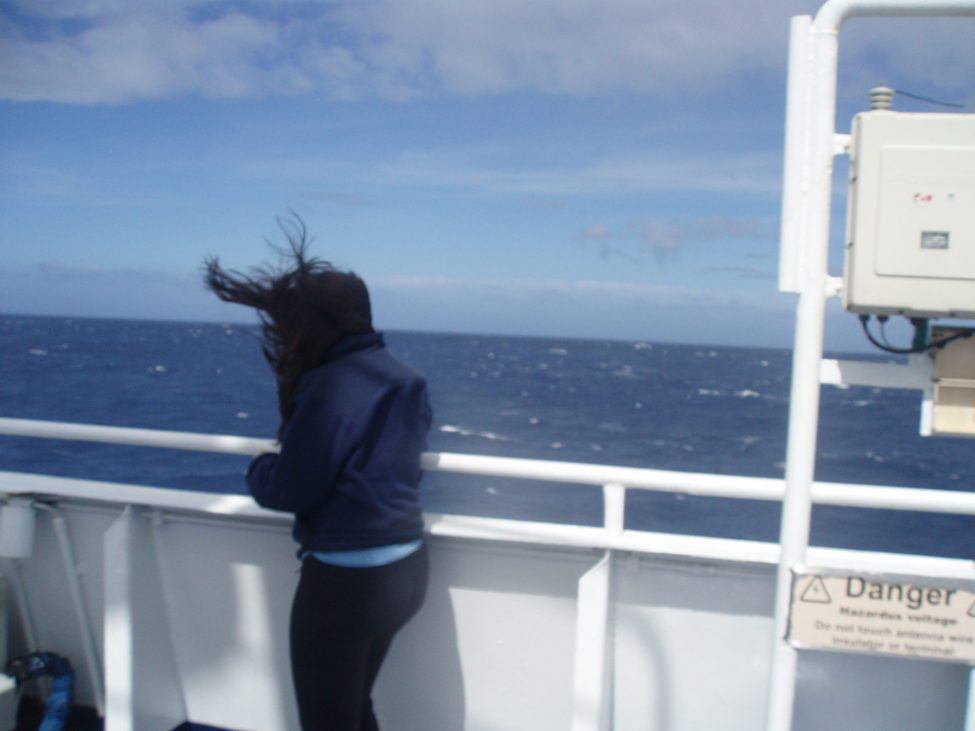
Second last tourist on the deck during the hurricane
Comments are closed.
Recent Comments